

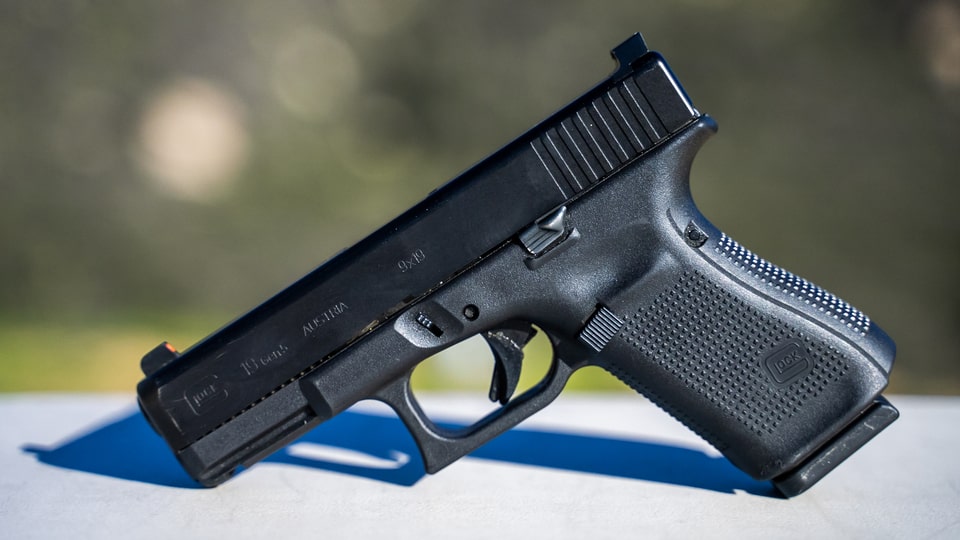
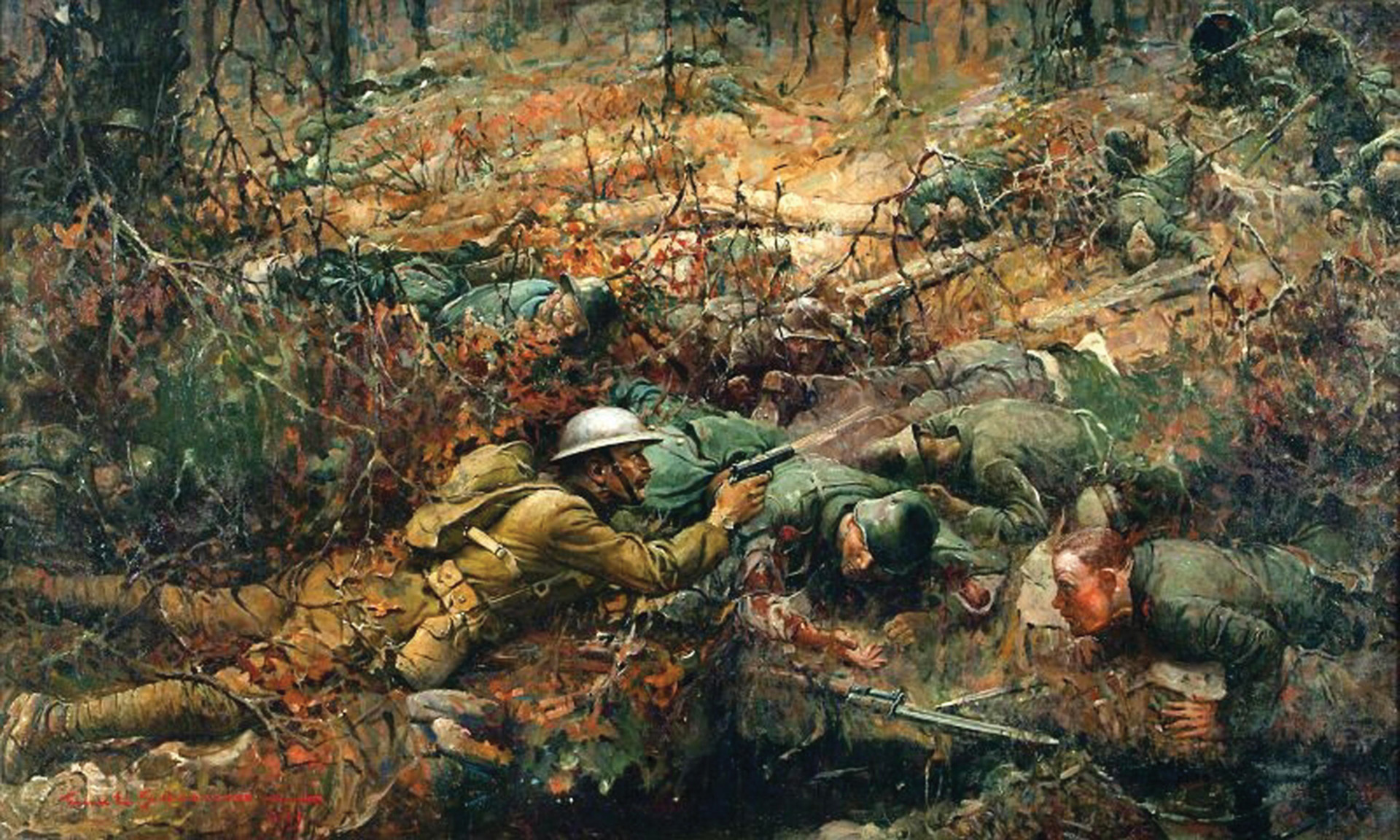
York‘s sidearm was no decoration. It saved his life during a bayonet charge, and that same mindset today points to something built to end threats quickly, not impress at the range. When it comes to function and reliability, we have to go Glock for this choice. Lightweight, endlessly reliable, and with great magazine capacity, York could count on the Glock to be a steady partner waiting to spring into action on his hip. He’d carry it condition one, train extensively, and likely use a retention holster with a solid Kydex setup. Optics-ready, sure, but only if it served a purpose. Nothing flashy, no comps, just a handgun built to fight.
Armor: Lightweight and Logical
Then: Wool Tunic & Prayer Book
Now: Lightweight carrier with Level III+ or Level IV plates (think Crye JPC)
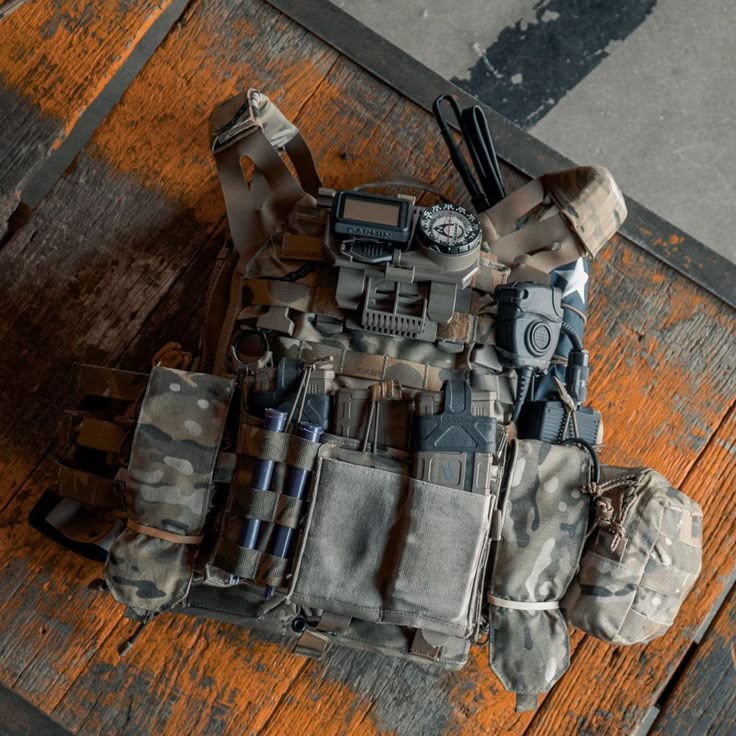
Alvin York fought to protect others, not just himself. In 2025 that instinct would translate to body armor. He wouldn’t wear anything that would inhibit his mobility, but he’d wear something that balanced agility and survivability. Likely a lightweight plate carrier with room for extra mags, a couple tourniquets, and a pressure bandage or three. Nothing excessive, just what works.
York would’ve done his research, he would’ve known the difference between steel, ceramic, and poly, and he would also have chosen the gear that let him stay in the fight without slowing down.
Loadout Philosophy: Mission Focused
York never carried more than he needed. He didn’t waste time on untested tools or excess gear. In 2025, that mindset translates to a clean, stripped-down loadout.
- 4-6 rifle mags on body
- 2 pistol mags, spare TQ’s, compact med kit
- Chest mounted comm, no unnecessary cluster
- Carrier mounted fixed blade
- Handheld GPS, no apps
- Battlefield bible in a dangler pouch
No bungee cords dangling, I’d hazard a guess he’d wear a bump helmet for speed, and we have a sharp, focused kit that could sustain movement, fight through contact, and adapt to terrain.
Mindset: Quiet Strength, Absolute Resolve
All the gear in the world wouldn’t matter if the man operating it wasn’t ready to act. That’s where York separated himself from his peers, from the enemy, and from time itself.
He was humble but immovable, faithful, but fierce. Every shot he took was measured, intentional, and carried the weight of responsibility. Sgt. York never relished the fight but understood that it had to be done.
Today, we can find that same spirit in the quiet everyman who trains when no one’s watching and teaches his kids how to shoot and move.
York would be found doing that same thing today, training, praying, and protecting.








COMMENTS