

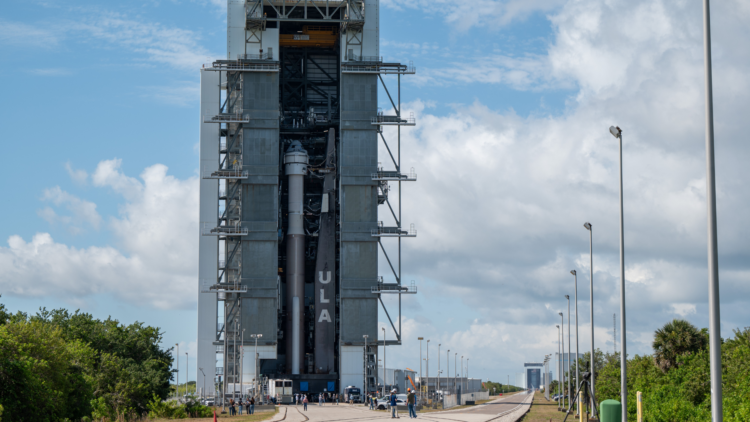
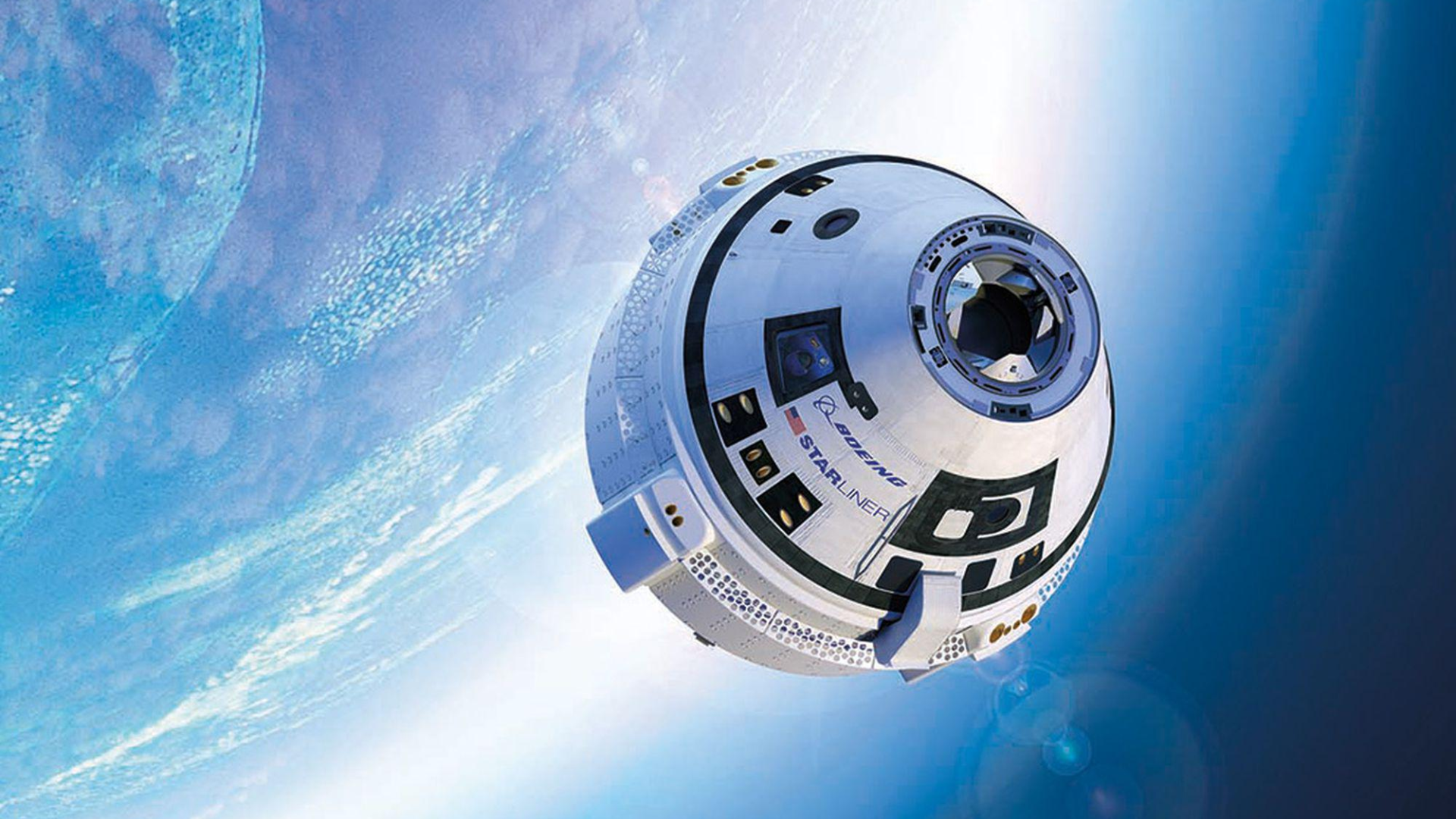
A seemingly minor issue with an oxygen relief valve in the Atlas V rocket, the booster responsible for propelling Starliner into space, was enough to trigger a halt to the countdown.
This meticulous attention to detail is paramount for ensuring the astronauts’ well-being. Even the most minor technical anomaly can have catastrophic consequences in the unforgiving environment of space.
The decision to postpone, though seemingly cautious, reflects NASA’s prioritization of astronaut safety above all else.
The Importance of Public-Private Partnerships
The Starliner program is a prime example of the growing importance of public-private partnerships in space exploration.
Following the retirement of the Space Shuttle program in 2011, the United States lost its independent capability to launch astronauts into space.
NASA turned to private companies like Boeing and SpaceX to fill the void and revitalize the nation’s human spaceflight program.
This approach fosters innovation and leverages the expertise of the private sector, while NASA maintains oversight and ensures missions meet stringent safety standards.
A successful Starliner program would provide NASA with greater flexibility and redundancy in its astronaut transportation needs.
This, in turn, would allow the space agency to focus its resources on developing the next generation of spacecraft for deep space exploration endeavors, like the Artemis missions aiming to return humans to the Moon.
What’s Next for Starliner?
The launch date has been rescheduled for around May 17th. Boeing is confident a successful attempt can be made on this new date. This mission will see veteran NASA astronauts Butch Wilmore and Suni Williams piloting the capsule for a week-long stay at the ISS.
A successful test flight will pave the way for the regular rotation of Boeing’s Starliner alongside SpaceX’s Dragon capsule for future astronaut transportation needs.
1st astronaut launch of Boeing's Starliner delayed to May 17 to replace 'buzzing' rocket valve https://t.co/AZrpP9g7zK pic.twitter.com/LqsO7cfylH
— SPACE.com (@SPACEdotcom) May 8, 2024
The journey to the launchpad has been arduous for Boeing’s Starliner program. However, this first crewed mission marks a turning point.
With a renewed focus on safety, unwavering determination, and the collaborative spirit of the public-private partnership with NASA, Starliner is finally ready to take its place among the stars, ushering in a new era of American human spaceflight.
This mission signifies not just the culmination of years of tireless work but a critical step towards a future where space exploration is accessible, collaborative, and pushes the boundaries of human potential.








COMMENTS