
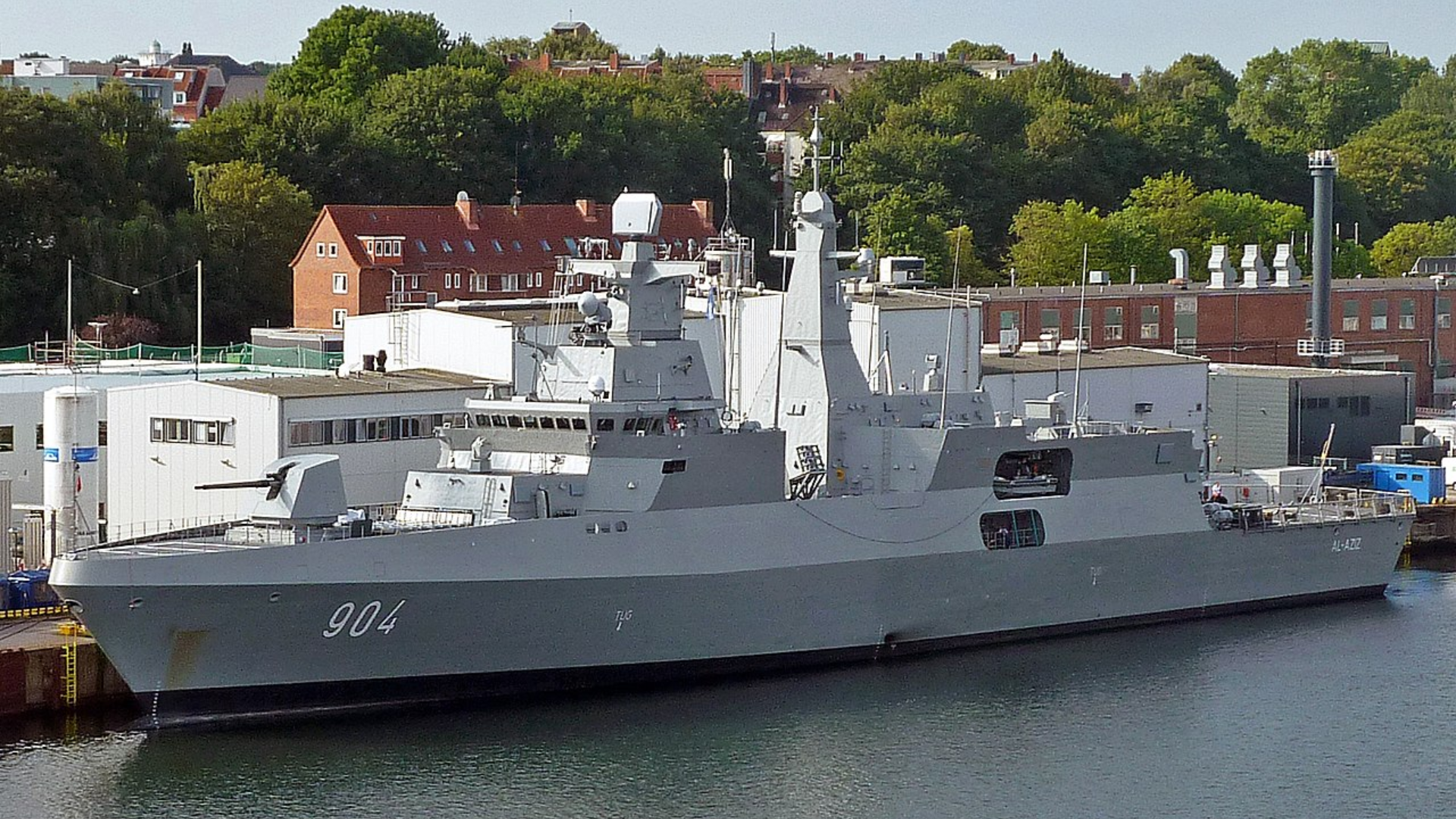
Egyptian Navy Unveils Cutting-Edge Frigate ENS Al-Jabbar at Alexandria Shipyard
Egypt’s Navy unveils its Al-Jabbar frigate, armed with advanced tech and strategic capabilities for maritime defense.
389 articles
Latest updates tagged Middle East on SOFREP.
Egypt’s Navy unveils its Al-Jabbar frigate, armed with advanced tech and strategic capabilities for maritime defense.
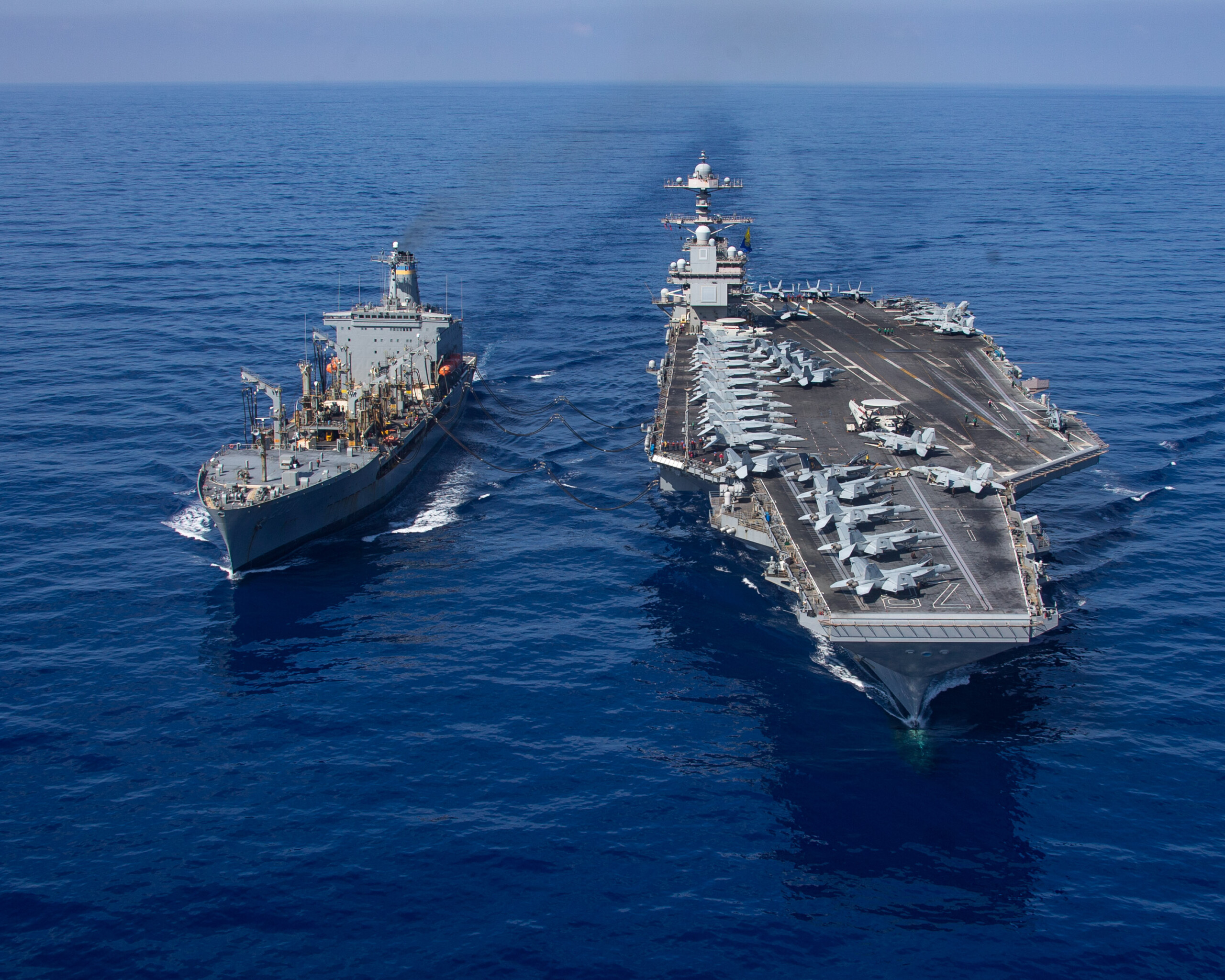
The intensive air and ground campaign initiated by Israel in response to the brutal October 7th terrorist attacks by Hamas has escalated regional tensions, involving multiple actors and drawing significant international military presence, including the US and European allies, into the Middle East.
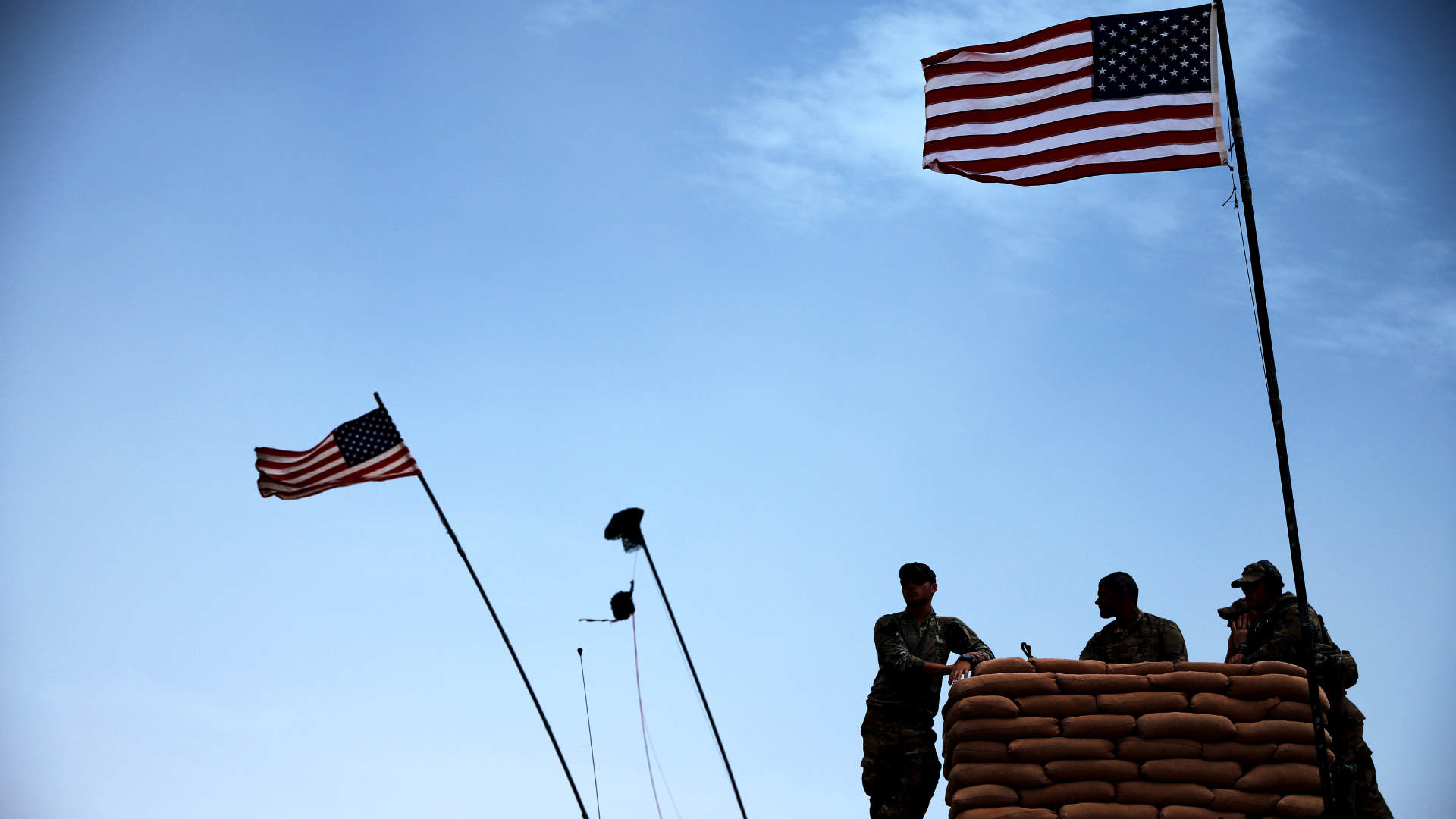
The attempted drone attack on US forces in Syria highlights the complex Middle East situation. De-escalation and diplomacy are crucial to recovering peace in the region.
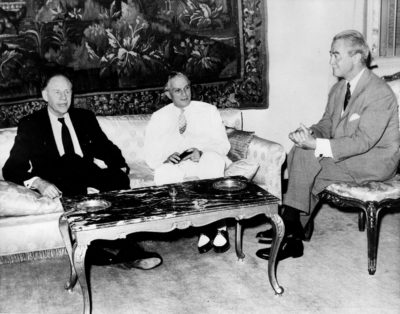
The 1958 Lebanese civil war, ignited amidst the Cold War and Arab nationalism, mirrored a clash of ideologies, where President Camille Chamoun’s pro-Western stance collided with pan-Arabists and leftist factions, marking a precursor to the nation’s tumultuous future and the larger civil war of the mid-70s and 80s.

In response to recent Hamas attacks, US deploys troops to aid Israel in hostage recovery – focus on intel-sharing, not combat.

Iran’s Karrar drone, armed with the AD-08 missile, marks a stride in self-reliance, influence, and defense in the Middle East.

In the intricate geopolitical chessboard of the Middle East, Iran maneuvers shrewdly through its proxy, Hamas, to counterbalance the Abraham Accords, disrupt budding Israel-Arab alliances, and fortify its regional stronghold, drawing the region into a vortex of escalating tensions with broader war ominously looming on the horizon.
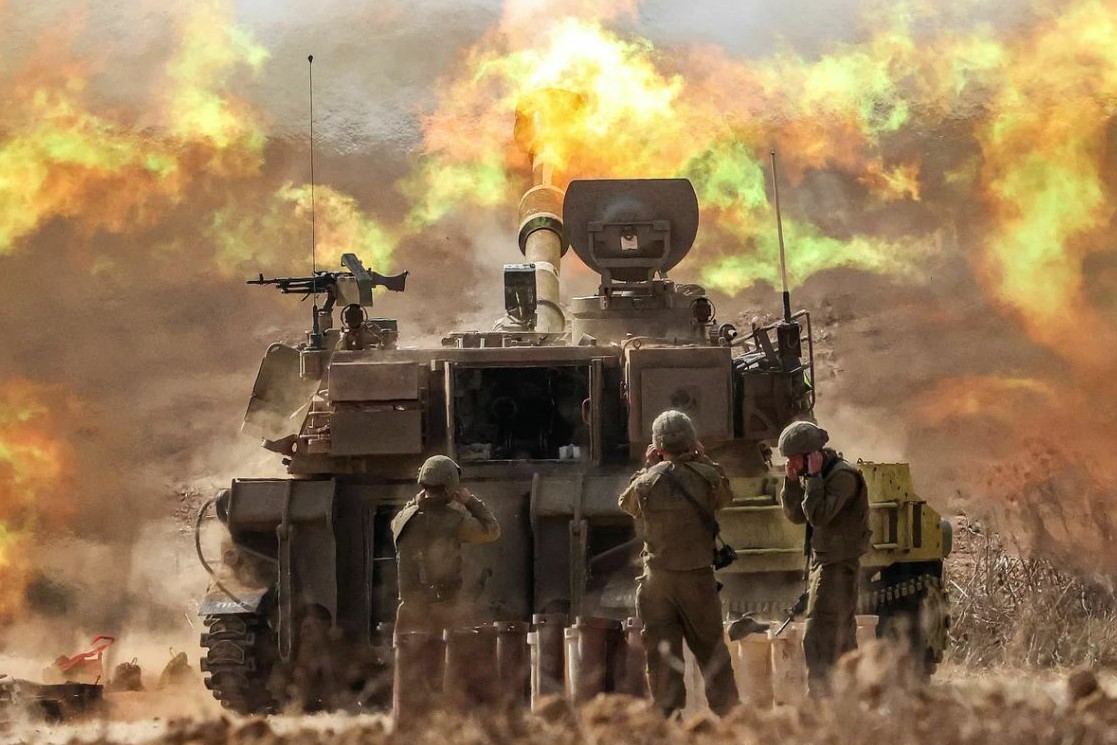
The ongoing Israeli and Hamas conflict, deeply rooted in historical animosities and exacerbated by regional dynamics, faces a potential expansion fueled by unresolved core issues, external interventions, and the rising tide of radicalization within a beleaguered Gaza, painting a dire picture that beckons for urgent, cohesive international diplomacy to foster stability and peaceful coexistence.
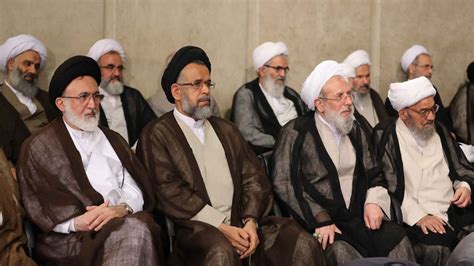
The ongoing tensions in the Middle East have repercussions for tens of millions of people in the region, and the war will also reach global proportions regarding spillovers and fallout. Now, are the world governments prepared for such a scenario?
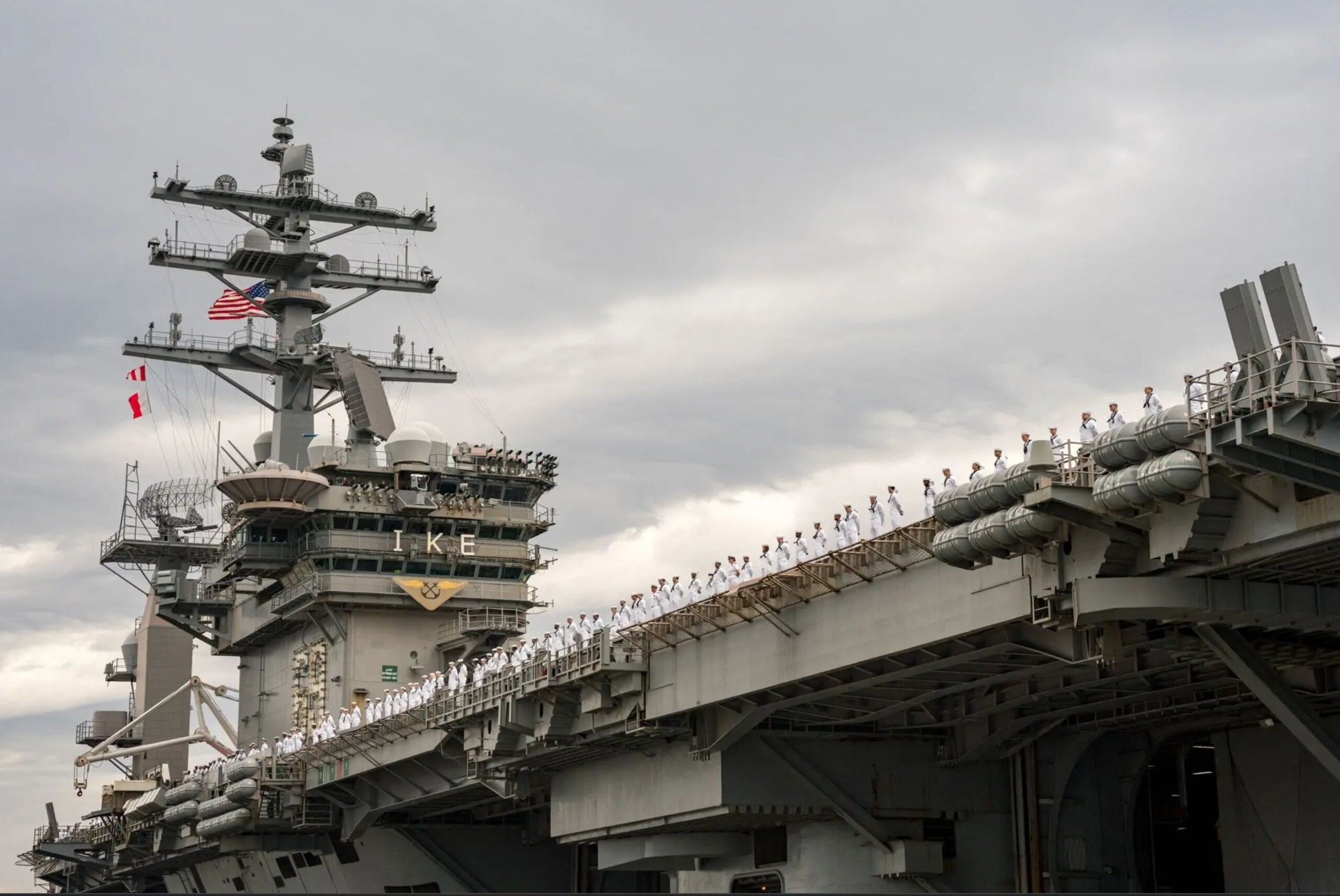
Amidst the complex Israel-Middle East conflict, it is crucial to critically evaluate the reasons why deploying US troops to Israel should be approached with caution and alternative diplomatic efforts prioritized.
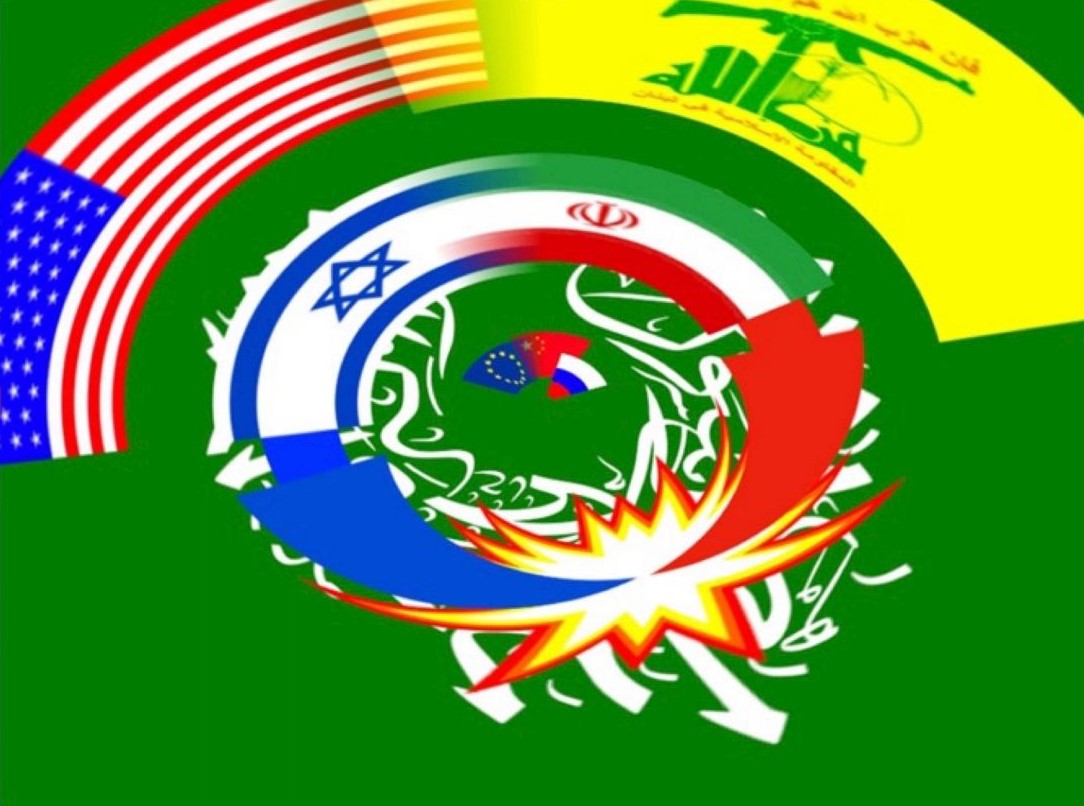
The ongoing war in Israel, driven by Iranian-backed proxy armies, highlights critical lessons in intelligence, deterrence, AI-driven warfare, and the imperative of moral clarity that America must heed to prepare for the challenges ahead.
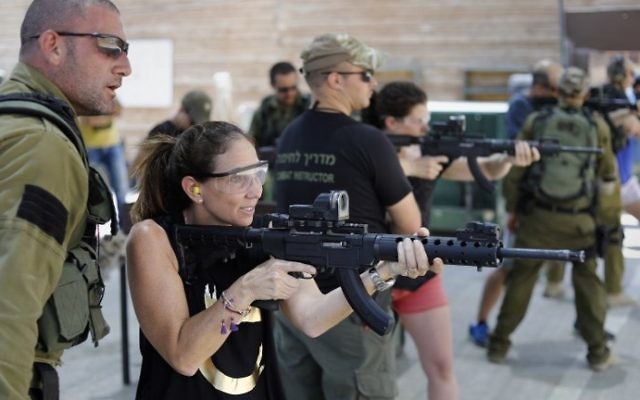
In the heart of the West Bank, Caliber 3 offers an intriguing and controversial tourist experience, immersing foreign visitors in Israeli anti-terrorism methods while sparking a debate about the ethics of profiting from the fears of Palestinian terrorism.

Hywell is a premium gear brand specializing in heavy-duty Merino wool boot socks for blue-collar professionals and outdoorsmen. Backed by an ironclad 10-Year Warranty.

Praesidus builds rugged, American-assembled watches inspired by historic military timepieces. Designed for accuracy and tested for endurance, each watch is made for outdoor explorers, everyday adventurers, and anyone who needs reliability when it matters.

SIG Sauer is a world-class firearms manufacturer trusted by military, law enforcement, and responsible civilian shooters, delivering precision-engineered weapons, optics, and training systems while maintaining a strong commitment to veteran hiring, American manufacturing, and the professionals who rely on their gear when it matters most.

FightCamp is an at-home boxing and kickboxing training system built around real technique, structured programming, and measurable performance. Members train with fighters and professional coaches while using connected punch and kick trackers that record volume, speed, and power in every round. The result is training that builds conditioning, skill, discipline, and resilience — all from home, on your schedule.

Essential Provisions Field Fuel® meals [ready-to-eat] & sports nutrition products have been developed with the cleanest, high-quality nutrient and energy-dense ingredients available. Research has shown that the whole food nutrients contained in our products have the ability to help.

Have you ever tried to wear a fleece hoodie in bad weather? We don’t recommend it. That’s why we founded BÆRSkin in 2019 – to create the world’s best outdoor gear that’s just as comfortable at home as it is durable outdoors. “Bad fitting, bulky, and boring” is how we felt about 1000’s of regular fleece hoodies we tested.

If you’re 21 or older and use nicotine or tobacco, charge ahead with Black Buffalo, America’s only credible smokeless tobacco alternative. Black Buffalo dips just like the real thing without the tobacco leaf or stem. Find Black Buffalo in Wawa, Circle K, Sheetz, Love’s, Pilot, Racetrac, and many more retail locations across the United States.

Stay Locked In. No Matter What. NEORON is a brain-boosting beverage built for the mission: sugar-free, crash-free, and engineered for clean, tactical focus through long hours and high-stakes operations. Made for those who grind, stay sharp under pressure, and refuse to fold—if failure isn’t an option, NEORON has your six.