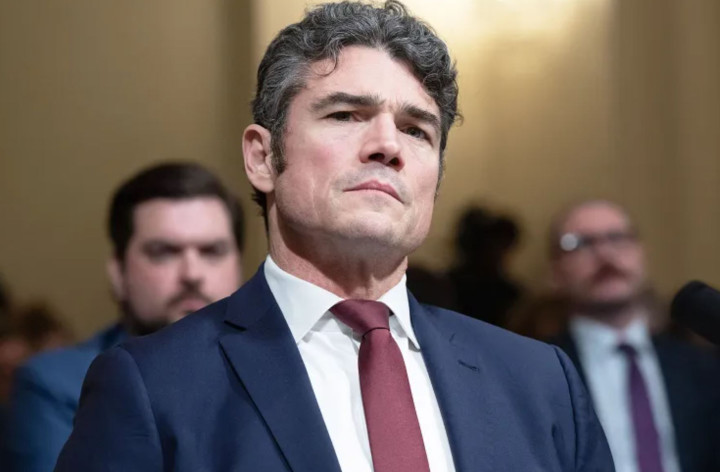
David Goggins Re-Enlists at 51, Re-Enters Air Force Special Warfare Pipeline
At 51, David Goggins didn’t return to the military to relive the past, he went back to confront the one place he once quit and see if it still owns him.

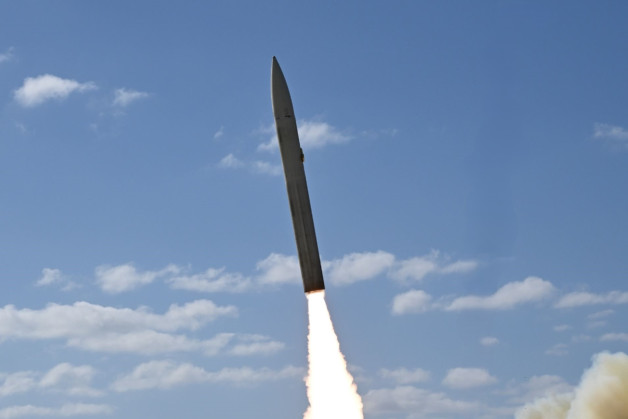
Washington is asking for $200 billion to fund a war with no clock, drones are slipping through the front door of the capital, and somewhere in the background the Army is rolling out a Mach 5 answer to a problem that’s already getting closer to home.
It’s the kind of clean, brutal spectacle that feels satisfying in the moment, right up until you realize the machine doesn’t shut off, it just waits for the next hand to pull the lever.
Air power may rattle Iran and win headlines, but without disciplined diplomacy, allied unity, and congressional accountability, it risks trading short-term disruption for long-term instability in a region that punishes strategic impatience.
Before you even think, you choose a side, and if you’re not willing to tear your own beliefs apart and see what survives, you’re not defending an idea, you’re defending yourself.
Support for Israel on the American right is no longer politically frictionless. As the war with Iran sharpens divisions, a growing gap is emerging between institutional positions and segments of the conservative base—one that is already reshaping how politicians speak, align, and manage the alliance in public.
From a locked-down command hub in Florida to gunfire inside a Georgia VA clinic and precision strikes tearing through Iran’s leadership in Tehran, the same tension runs through it all, the system is holding, but you can feel the pressure building.
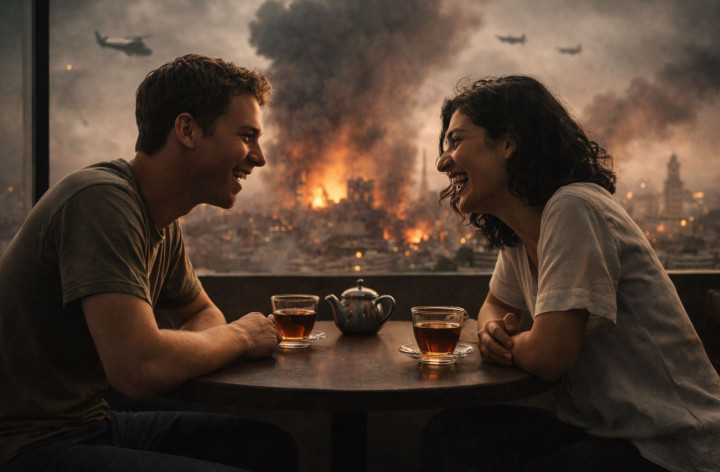
Three Iranian students in an American classroom described a people who love Americans, separate citizens from governments better than we do, and whose youngest generation would rather share tea than a battlefield — and right now, we’re bombing their home.
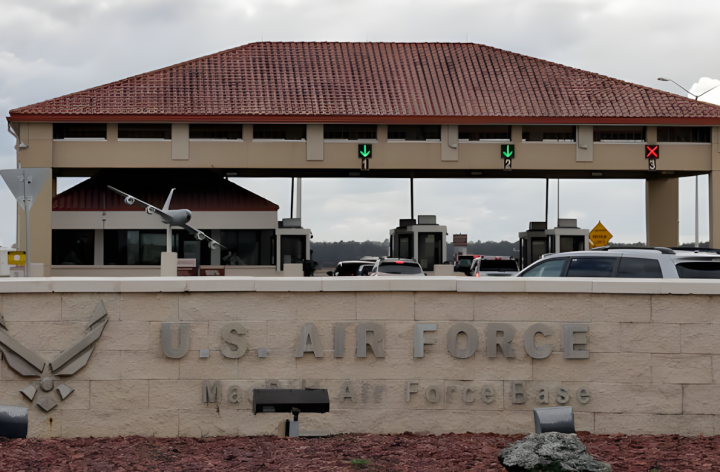
MacDill is locked down with no clear answers and no all-clear, just a single word, “threat,” hanging over one of America’s most critical war hubs as everyone inside waits for clarity that has not come.
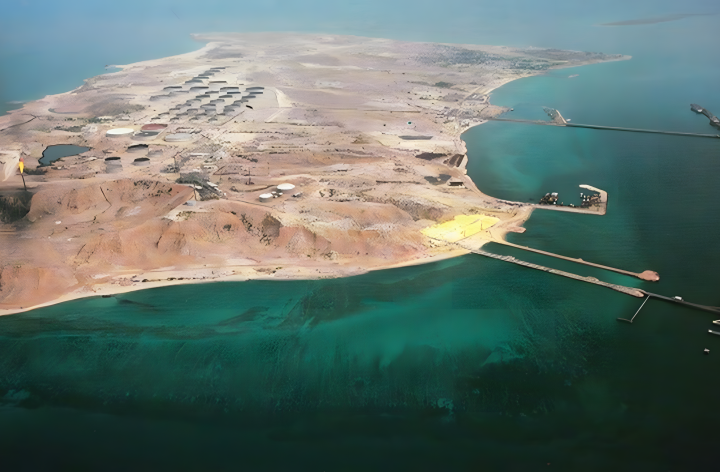
After obliterating Kharg Island’s defenses with a precision strike that spared its oil lifeline, the United States has exposed Iran’s most critical export hub as both vulnerable and within reach, a warning shot that leaves open the option of boots on the ground.
“No new wars” carried weight when it constrained someone else. Under current conditions, it has receded. The standard changed. The consequences remain.
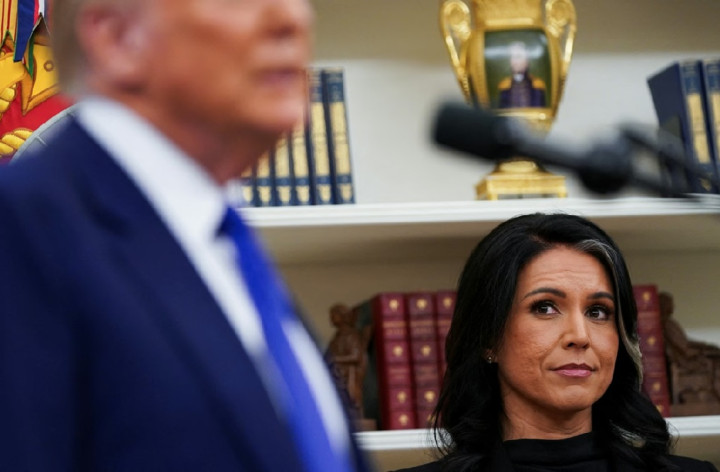
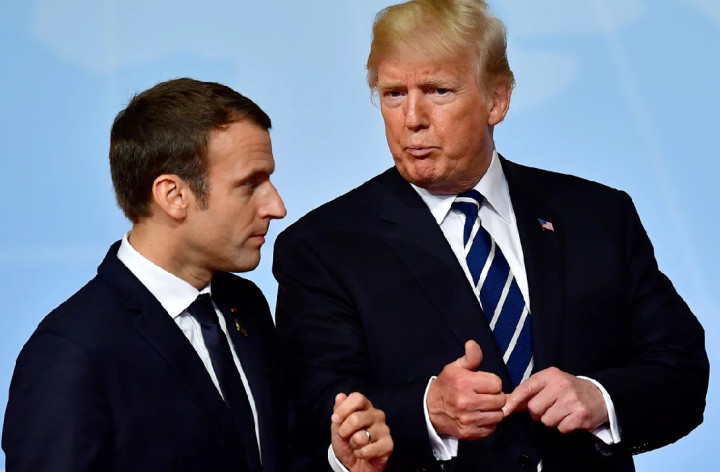
As Tehran tightens under fire, Washington fractures at the top, and Trump hints at a move on Cuba, the same pattern emerges across three fronts, power consolidating, pressure building, and nobody quite willing to say where this is actually headed.
Your boots aren’t failing you, the environment inside them is, and once your feet start breaking down, the rest of your day follows right behind.
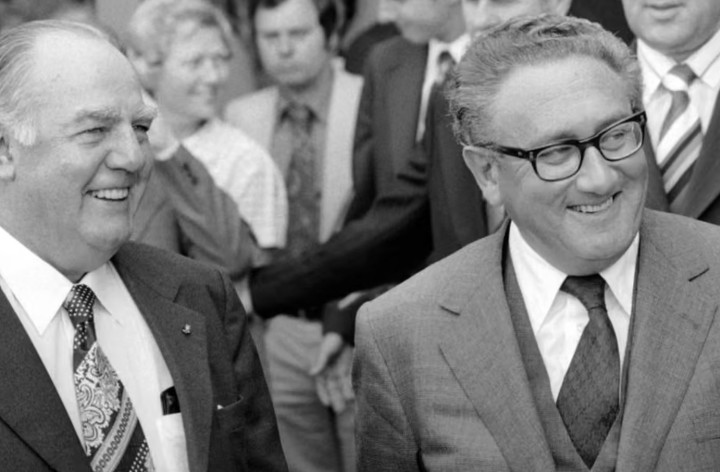
Kissinger’s last viable chance at a controlled transition was killed not on the battlefield but in the moral theater of international politics, clearing the path for a far more violent and uncompromising outcome.
As oil chokepoints tighten and alliances strain, the unfolding standoff in the Strait of Hormuz reveals a harder truth: modern war is less about decisive battles than about who can build, sustain, and weaponize coalitions under pressure.
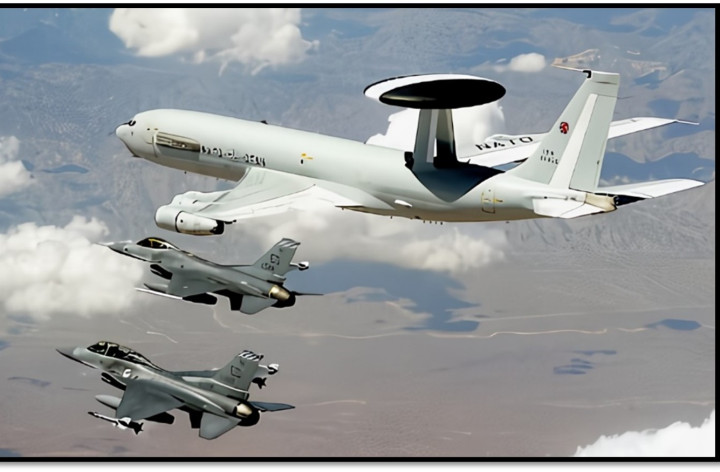
A retired Air Force intelligence officer challenges the official account of United Flight 93, arguing that the evidence, eyewitness testimony, and timeline discrepancies point to a far more troubling possibility, that the aircraft may have been brought down by U.S. fighters in the final minutes of 9/11.
Washington went to war in Iran and then asked its allies for help. The response was cautious and, in many cases, negative. The alliance still stands, but the margin for cooperation has narrowed—and that carries consequences.
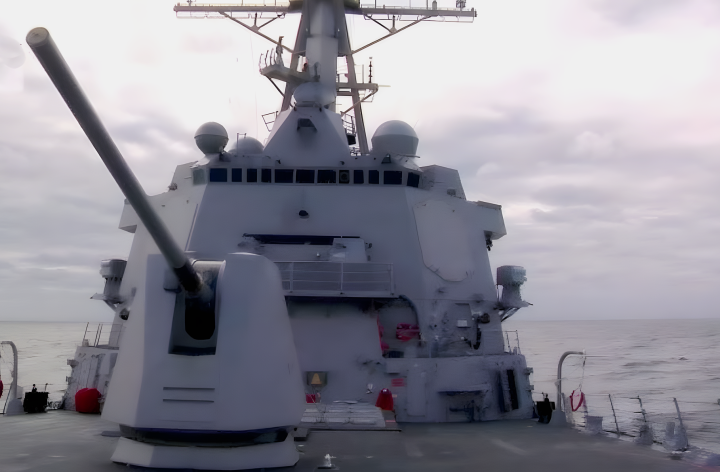
From a wounded and possibly disfigured new ruler in Tehran to a standoff in the Strait of Hormuz testing NATO’s resolve, the war with Iran now stretches from shadowy leadership intrigue to oil-choked sea lanes guarded by ships like the destroyer USS Spruance standing watch beside the carrier USS Abraham Lincoln.