


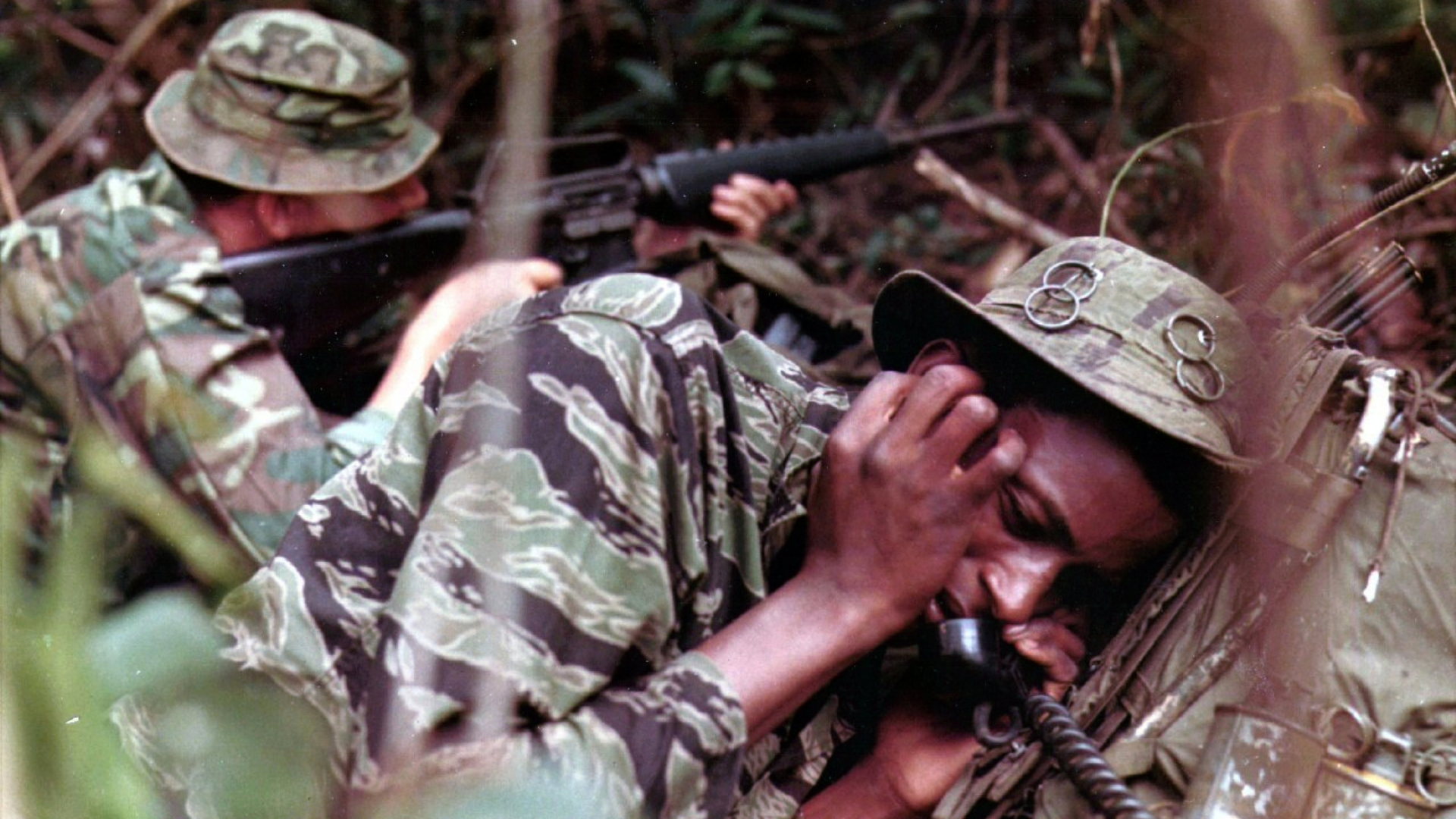
However, their struggle serves as a stark reminder of the steep learning curve for unprepared troops.
A Return to the “Green Hell”: The Indo-Pacific Threat
Fast forward to today, and the strategic landscape has shifted.
Tensions simmer in the Indo-Pacific, a region where lush rainforests and island chains dominate the geography.
Potential adversaries may well seek to exploit these environments, leveraging the inherent challenges to their advantage.
The US Army, facing a potential return to the “green hell,” must ensure its soldiers are prepared for anything the jungle throws at them.
Adapting for the Fight: How the US Army Can Prepare
So, what does adaptation look like? The existing Jungle Operations Training Course (JOTC) in Hawaii provides a solid foundation. However, expanding these programs and increasing access to more units is crucial.
Furthermore, incorporating the latest advancements in medical care, navigation techniques, and combat tactics specifically designed for jungle warfare is essential.
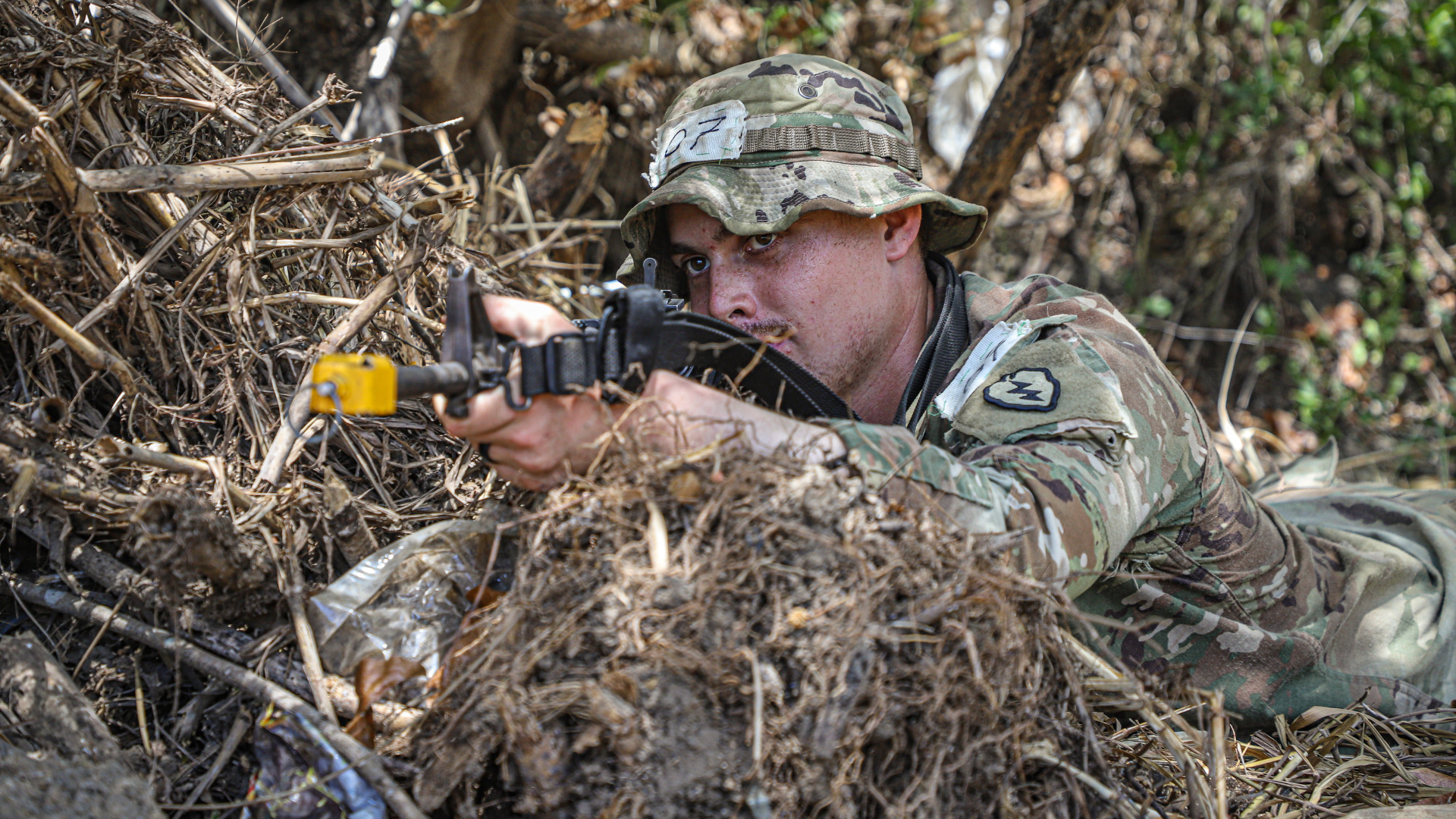
Here are some key areas where the US Army can strengthen its jungle warfare training:
Environmental Acclimatization: Jungle environments are harsh. Soldiers need to be physically and mentally prepared for the extreme heat, humidity, and constant struggle against dehydration and exhaustion. Training should focus on heat acclimatization, proper hydration techniques, and methods for preventing heatstroke.
Jungle Medicine: Disease runs rampant in the jungle. Soldiers need to be trained in disease prevention, including proper sanitation procedures—recognizing and treating common jungle ailments like malaria, dengue fever, and various parasites.
Navigation and Camouflage: The dense foliage of the jungle creates a disorienting environment. Troops require specialized training in land navigation using compasses and maps, as well as techniques for using the terrain and vegetation for cover and concealment.
Small Unit Tactics: Jungle warfare often devolves into small unit engagements. Soldiers need training in close-quarters combat tactics, patrolling techniques, and communication in an environment where traditional methods like radios may be unreliable.
Psychological Resilience: The isolation, constant threat, and psychological pressure of the jungle can be overwhelming. Soldiers need mental conditioning to build resilience, deal with stress, and maintain focus in a hostile environment.
Honoring the Past, Securing the Future: Why Jungle Training Matters Now
Investing in specialized jungle warfare training isn’t just about winning battles; it’s about protecting lives.
By ensuring soldiers are prepared for the unique challenges of the jungle, the US Army honors the lessons of the past and ensures its troops have the edge they need to operate effectively in the complex battlefields of the future.
The ghosts of green, the soldiers who fought and died in past jungle conflicts, urge the Army to adapt, to train, and to be ready.
The future of American military prowess in the Indo-Pacific, and potentially beyond, may well depend on it.








COMMENTS