Julian McBride

About the author

Julian McBride is a forensic anthropologist, SOFREP contributor, and independent journalist born in New York. He reports and documents the plight of people around the world who are affected by conflicts, rogue geopolitics, and war,and also tells the stories of war victims whose voices are never heard. Julian is the founder and director of the Reflections of War Initiative (ROW), an anthropological NGO which aims to tell the stories of the victims of war through art therapy. As a former Marine, he uses this technique not only to help heal PTSD but also to share people’s stories through art, which conveys “the message of the brutality of war better than most news organizations.”

Resurgence of Islamist Militant Groups in the Russian-Backed Juntas of Africa

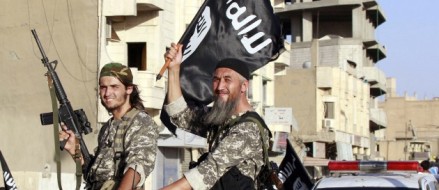
The resurgence of extremist groups in West Africa intertwines with various socioeconomic and geopolitical events such as corruption, authoritarian juntas, foreign interference, and deteriorating stabilization in the Sahel. With a lack of cooperation amongst local and regional blocs, groups such as al-Qaeda and ISIS could make a comeback and choose the Sahel as their new haven.

Can the Israeli-Iranian Cold War Turn Hot?

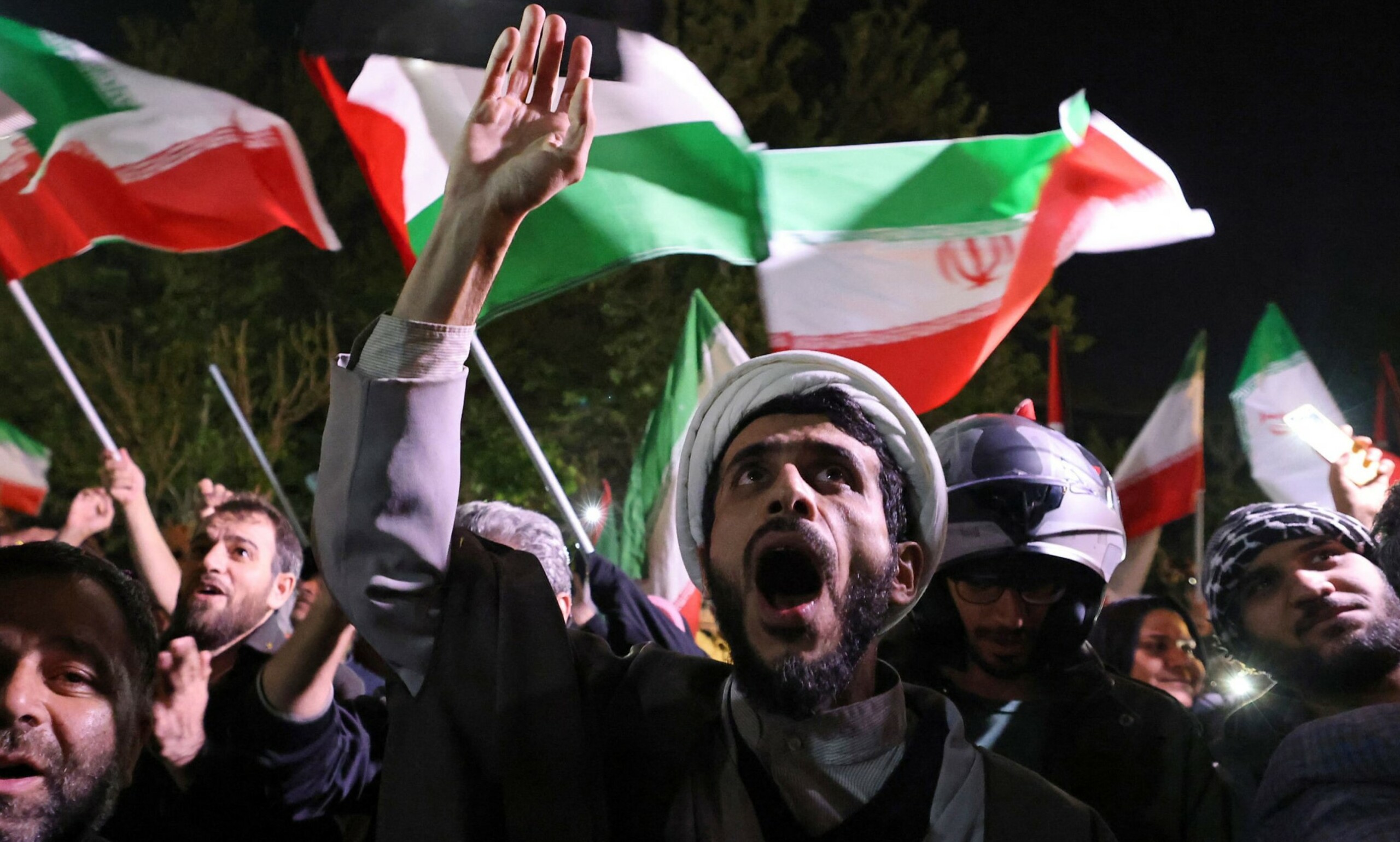
For now, the regional conflict between Israel and Iran will be a tit-for-tat Cold War, primarily using Lebanon, Syria, and the Palestinian Territories as a battleground. Still, one costly direct action could ignite the Middle East and international community in a way not seen since the rhetoric of the 1973 Yom Kippur War.

Could Resource Wars Over Water Become Frequent in the Future?

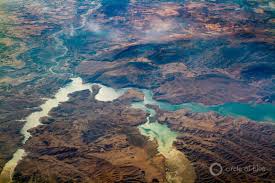
Growing populations from developing nations will continue to be a flashpoint of conflict, particularly over water, for the foreseeable future. Various countries across Africa and Asia, such as Egypt, Ethiopia, Somalia, Iran, Afghanistan, and others, could very much become intertwined with wars over water in our lifetime.

How Should the World React to a New Wave of American Isolationism?

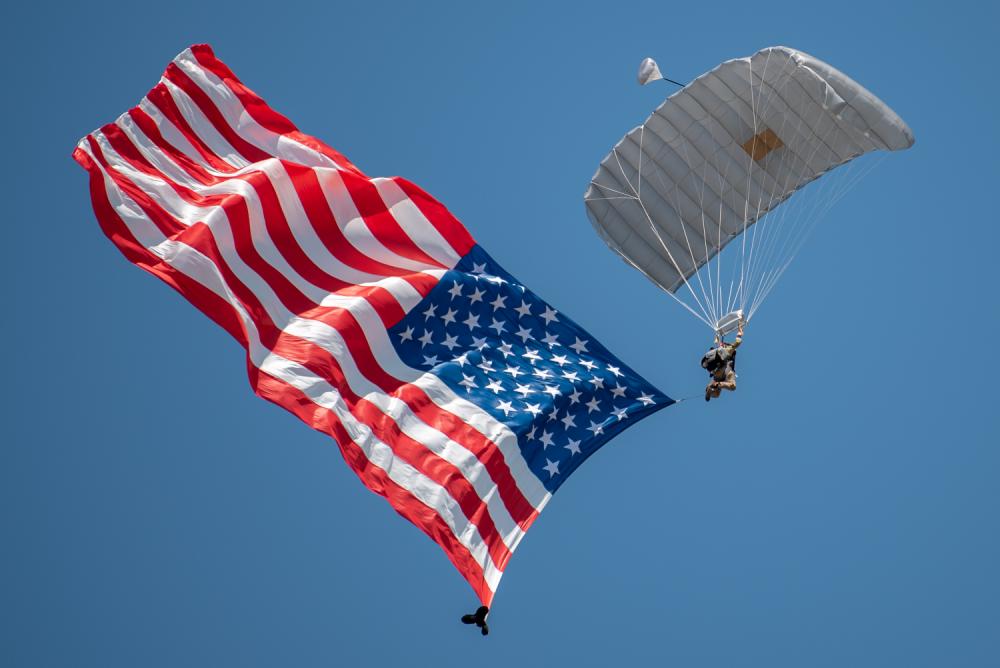
The growing axis of Russia, China, North Korea, and Iran continue to up weapons production for future wars while the E.U. stagnates and America remains at a crossroads over its global foreign policy strategy. Contingencies must be put in place in lieu of uncertainty, but it is always important for Americans to remember to speak softly and carry a big stick.

The 31st Marine Expeditionary Unit and the US Role in Asia-Pacific Affairs

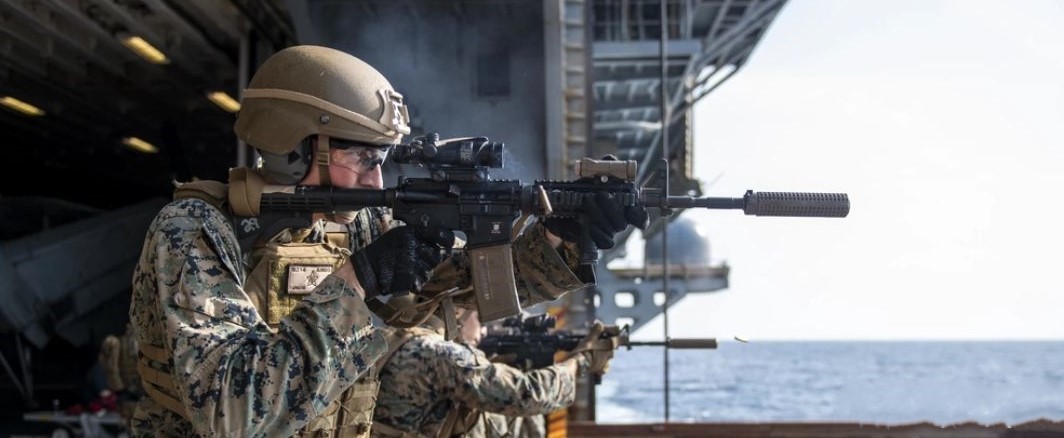
With a lighter-armed Marine Corps that will transition back to amphibious routes to counteract the People’s Liberation Army, the 31st MEU will now be the main effort for one of the first lines of defense for the Republic of China. In an ever-changing world of geopolitical challenges and rising threats, keeping the 31st MEU in constant crisis readiness will help enhance America’s military capabilities. 

Abkhazia: Russia’s Failsafe for the Black Sea Fleet?

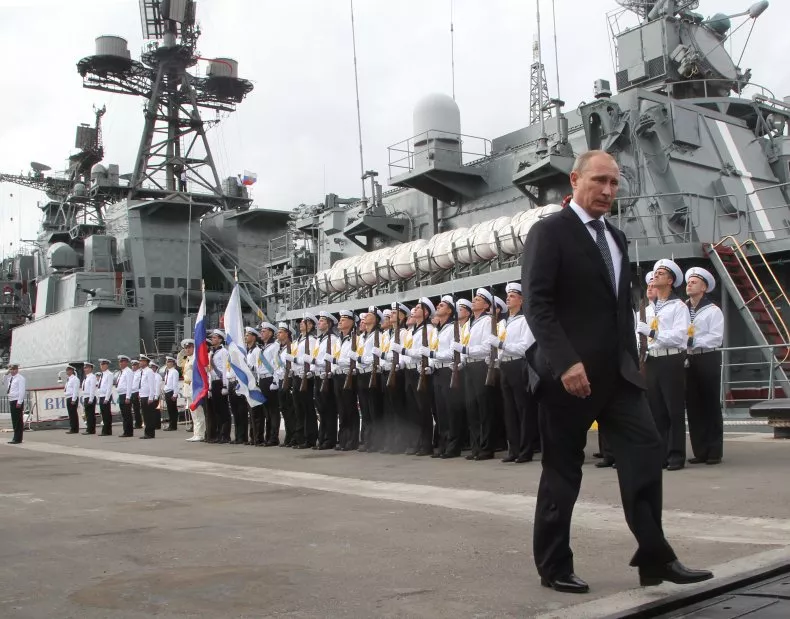
The ongoing invasion of Ukraine has severely impacted Russia’s military capabilities, particularly decimating the Black Sea Fleet, leading Moscow to consider relocating it to Abkhazia, a move that could further weaken Putin’s regime and exacerbate Russia’s international isolation.