

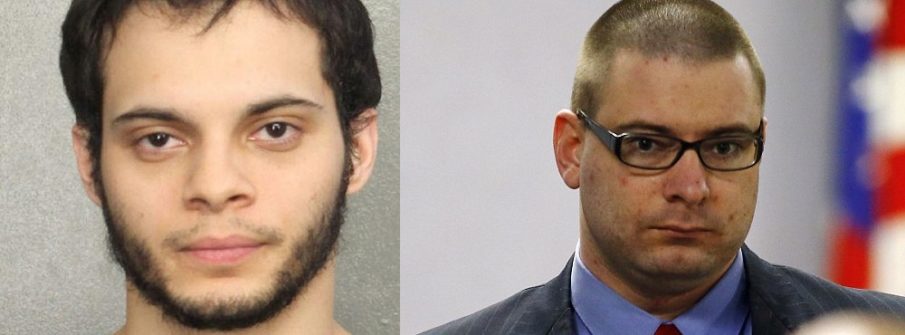
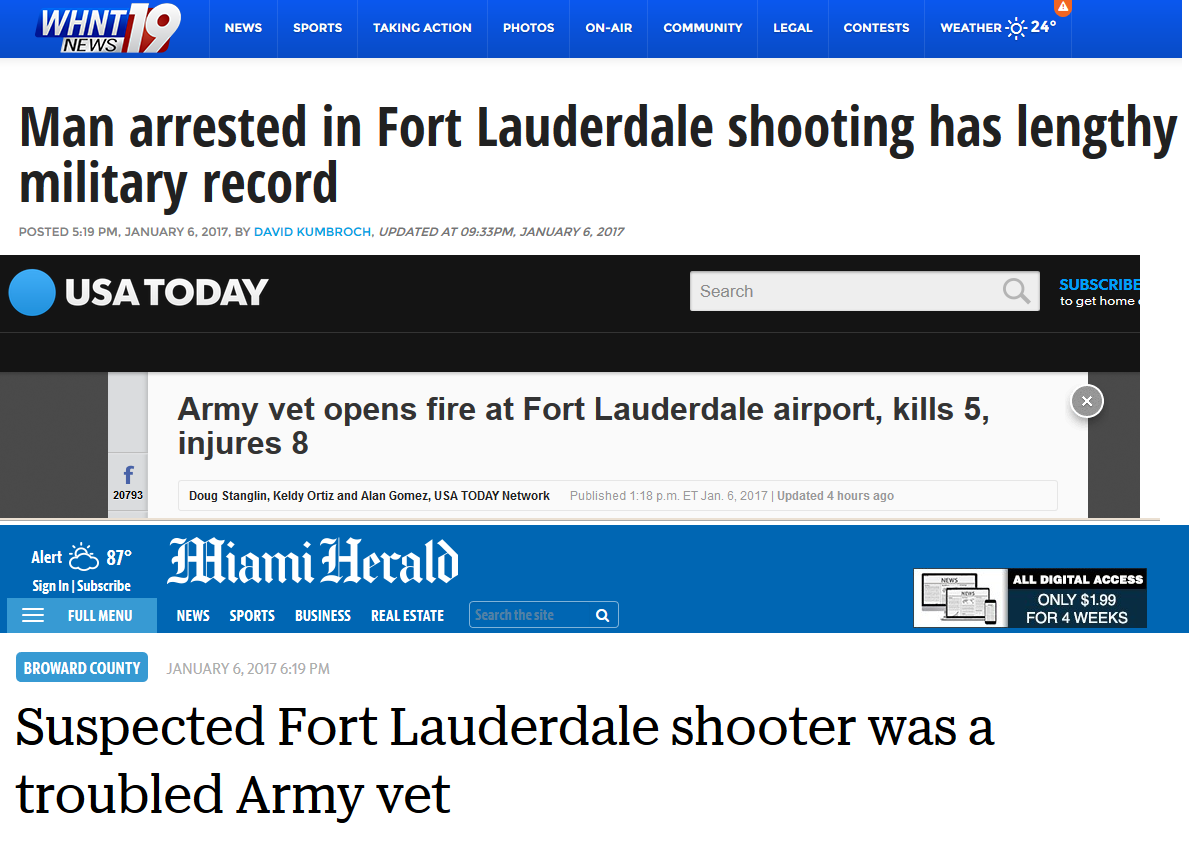
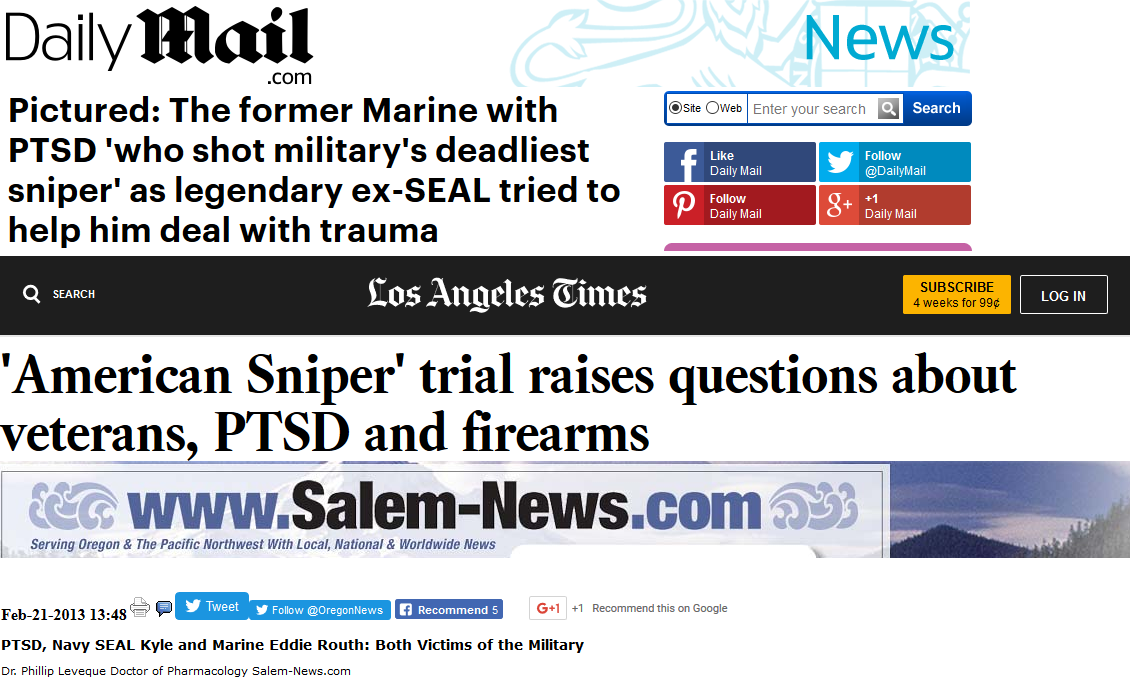
Now, I’m willing to accept that each of them may have suffered some hardship while in the service, and that those hardships may have had a negative effect on their emotional well-being, but I would be hard pressed to think of a single veteran or active duty service member that I know who hasn’t struggled with some facet of their lives as a result of their service. The way we manage hardship, the ways we cope with our problems, aren’t drilled into us at boot camp, and no matter what people may whisper behind closed doors, no one is brainwashed by their training. You enter and leave the service with the same mental nuts and bolts you came in with, but if you showed up missing a few, the military certainly isn’t going to fix it.
Serving in the military on active duty is a job, and just like those in the private sector, you go to work and come home, and the things you fill your time with outside of work are often entirely of your own doing. For reservists and many in the National Guard (such as Santiago) the military isn’t even a formal part of your daily life, but rather a responsibility you take on in addition to maintaining your normal, civilian one. These people aren’t being brainwashed to kill, they’re attending drill weekends, honing and adding to their existing skill sets and striving to be the best citizens and soldiers they are capable of. To suggest that each of these people, whether active or reserve, are being training to kill indiscriminately speaks to an utter ignorance of our military apparatus.
Just as Eddie Routh’s defense attorneys attempted to call back to the days of “Reefer Madness” being shown in schools by suggesting that he killed Kyle and Littlefield in a fit of drug-induced rage as a result of smoking marijuana, people constantly strive to place these senseless acts of violence into a logical narrative. The problem is, the very nature of senseless violence rejects such a classification. These men, and others like them, weren’t conditioned by their military experience to kill innocent people; something easy to understand and appreciate when talking to anyone who’s served in a combat zone and experienced the anxiety of wanting to protect themselves and their friends without violating any of the rules of engagement. These killers are, instead, damaged goods like any other spree or serial killer.
Some of America’s veterans have suffered through the kinds of awful experiences that could hardly be imagined, and they’ve returned home to find a nation that thanks them for their service, places yellow ribbons on their vehicles, and then vilifies their experiences in the media. Getting help when you’re struggling, whether a veteran or not, is an embarrassing, humbling, and nerve-racking experience. I was more frightened walking into that doctor’s office than I was doing anything in uniform; unsure of what to say and terrified of how the Air Force doctor would respond to a Marine that was too weak to handle his own problems. I was scared they’d label me undeployable or place me on suicide watch (as I’ve been the Marine tasked with sitting with potentially suicidal service members before) because I wanted help not to keep me from becoming a killer, but to keep me from ruining my wife’s life – to keep her from having to live with a morose man who just couldn’t find a good reason to be happy anymore, no matter how fortunate I was.
When the media chooses a narrative for these kinds of stories, there are repercussions. I have no doubt that many Americans saw the news update indicating that the Fort Lauderdale shooter was in the military and shrugged their shoulders, saying, “yup, that makes sense,” and it’s that very response that hurts the millions of veterans each day that are struggling to find work, support their families, or just trying to talk themselves into seeking the help they need.
We wonder why our veterans keep committing suicide? Part of it may be because our society keeps telling them that they’re damaged goods.
As General James Mattis, incoming Secretary of Defense, said in a speech in 2014, “If we tell our veterans enough that this is what is wrong with them they may actually start believing it.”
Featured images courtesy of Reuters








COMMENTS