

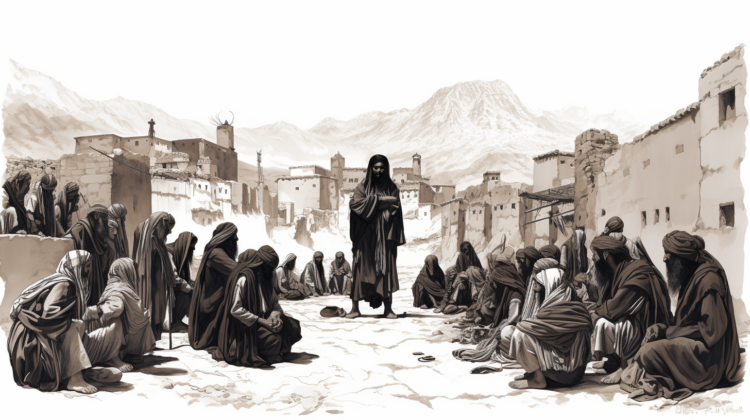

The UN can mediate disputes and shape their outcomes through peacekeeping missions and diplomatic efforts. The Red Cross can impact conflict zones’ social and political landscape by providing humanitarian aid.
Terrorist Organizations
On a darker note, terrorist organizations such as Al-Qaeda or ISIS also fall into the category of non-state actors. They utilize violence as a means to achieve political ends.
Their actions can destabilize regions, influence international relations, and instigate or prolong conflicts.
Insurgent Groups
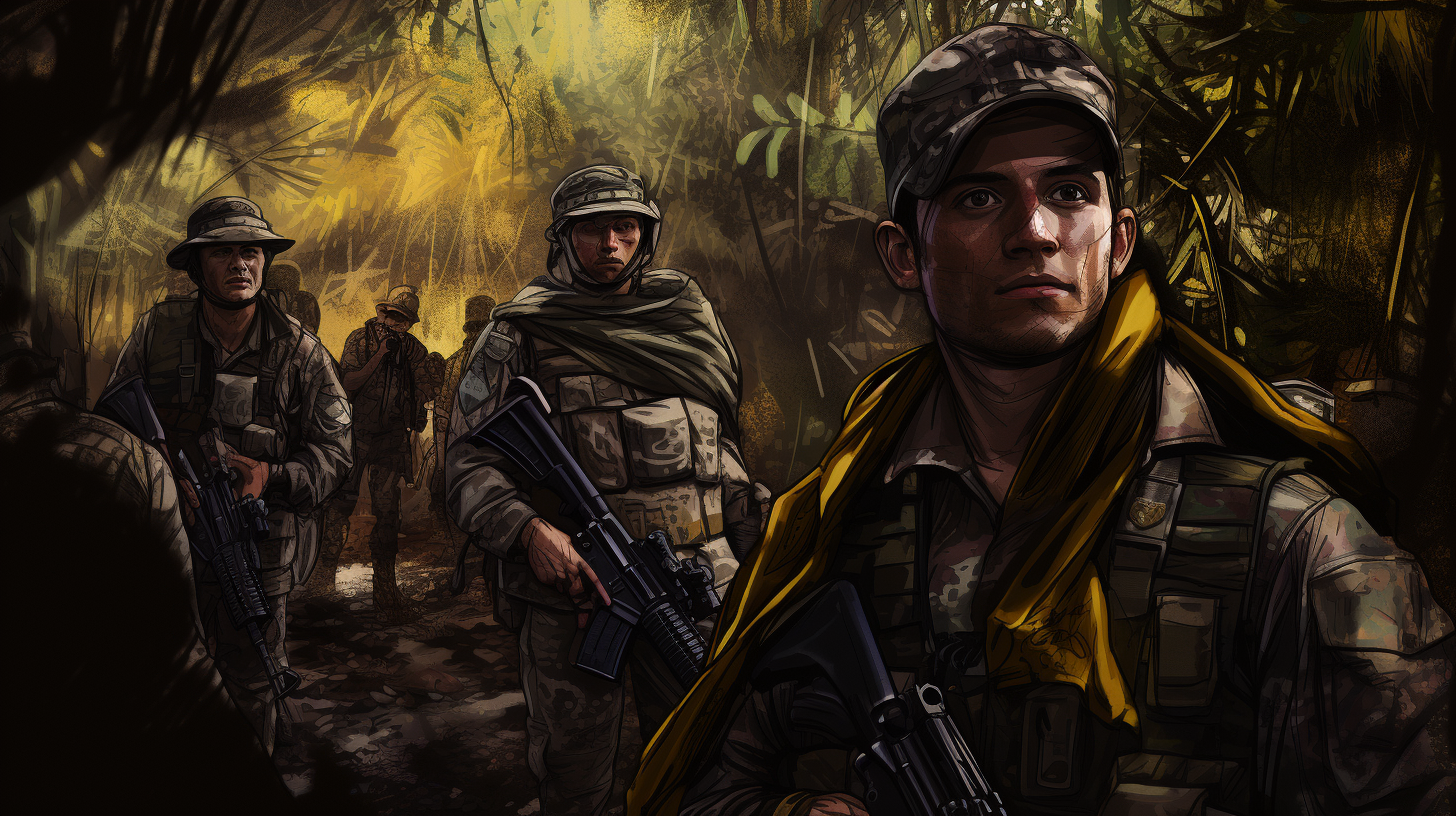
Insurgent groups, like the Taliban in Afghanistan or the Revolutionary Armed Forces of Colombia (FARC), operate within specific countries. But they can cause effects that ripple out internationally.
These groups often challenge the existing government, and their actions can lead to prolonged civil wars and reshape geopolitical landscapes.
Why Are Non-State Actors Becoming More Prominent?
You might wonder why non-state actors are gaining more spotlight in today’s conflicts. Part of the reason lies in globalization and the digital revolution.
We’re more connected than ever before. Information travels at lightning speed, and groups can coordinate across borders in a snap.
This connectivity empowers non-state actors, enabling them to influence public opinion, raise funds, recruit members, and operate internationally, often without being physically present in the conflict zones.
The Impact of Non-State Actors
The influence of non-state actors is far-reaching. When a multinational corporation decides to withdraw its business from a conflict-ridden country, it can impact the economy and indirectly influence the course of the conflict.
When a terrorist organization stages a violent attack, it can escalate the conflict and affect international relations. By providing aid, even humanitarian organizations can influence a conflict zone’s social and political landscape.
Navigating the Challenges
You know how you check the weather app on your phone before planning a day out? The meteorologists use all sorts of data and fancy tools to predict whether you’ll need an umbrella or sunblock.
Similarly, getting a grip on the world of non-state actors involves looking at the ‘data’ – the historical context, current events, and global trends.
Let’s say a big company, like Apple, sets up a factory in a small town. That’s like waking up to a perfect sunny day, ideal for your family picnic.
The city is buzzing, new jobs exist, and the local economy is booming. But what if Apple decides to pack up and leave? That’s like a sudden thunderstorm spoiling the picnic. The town’s economy might take a hit, people lose their jobs, and things get messy.
While it’s a complex world out there, understanding the role of non-state actors is like learning to read the weather. It might not be an exact science, and we may still get caught in the rain occasionally, but it improves our chances of navigating the challenges that come our way.








COMMENTS