

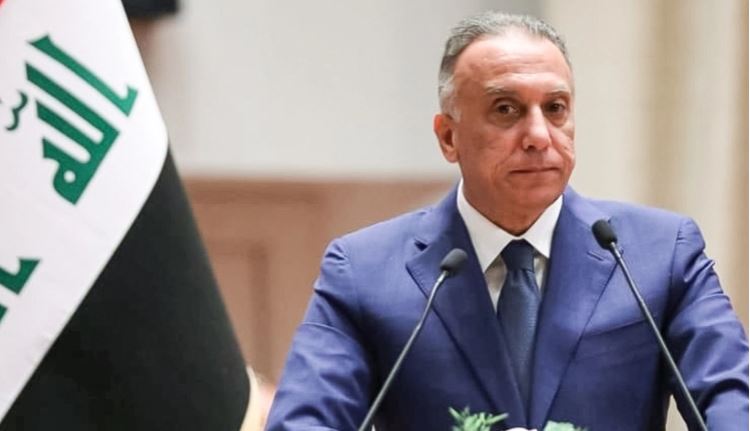
A few days ago, Iraqi security forces clashed with the Iranian-backed groups after they camped out in the heavily fortified Green Zone and threatened to attack government facilities.
A Long String of Attacks
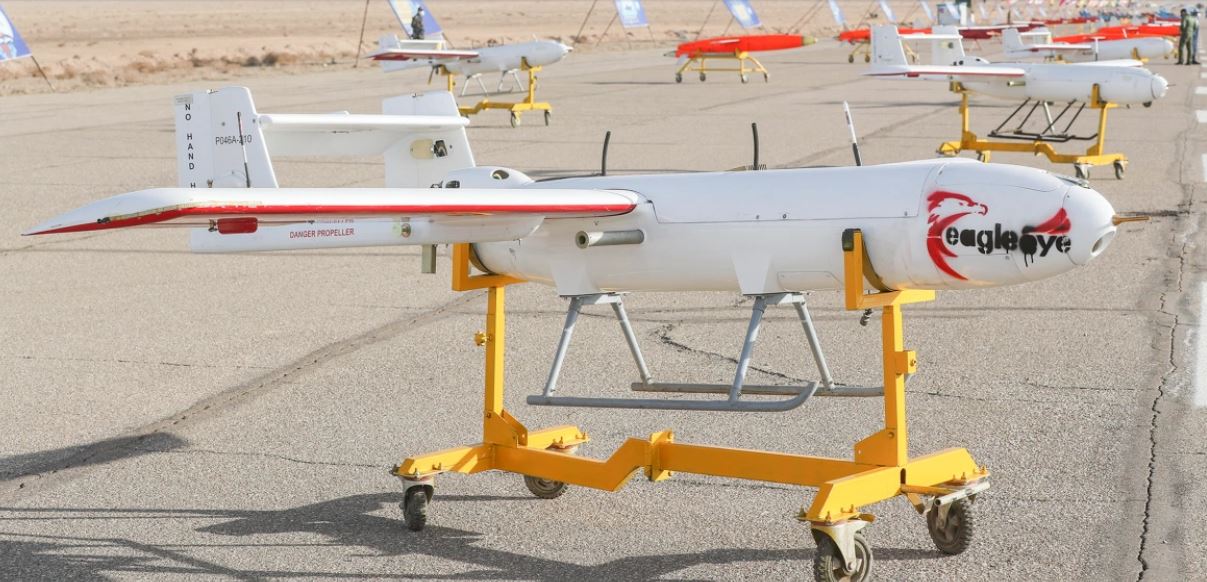
This would hardly be the first time that armed Iranian proxies have used drones in attacks. Three recent attacks using drones have been tied to Iranian proxy militias.
In October, five drones launched from Syria targeted the strategic U.S. base at al-Tanf. No casualties were reported but the drones were traced to Iran. Pro-Iranian news outlets reported that the Iranian-led militias attacked the base in response to an Israeli attack in Palmyra, Syria.
The U.S. and coalition troops are based at al-Tanf to train Syrian Democratic Forces (SDF) on patrols to counter Islamic State (ISIS) militants. The base is located on a road that serves as a vital land link. The road is used for Iranian-backed forces to send missiles and arms from Tehran to southern Lebanon and attack Israel.
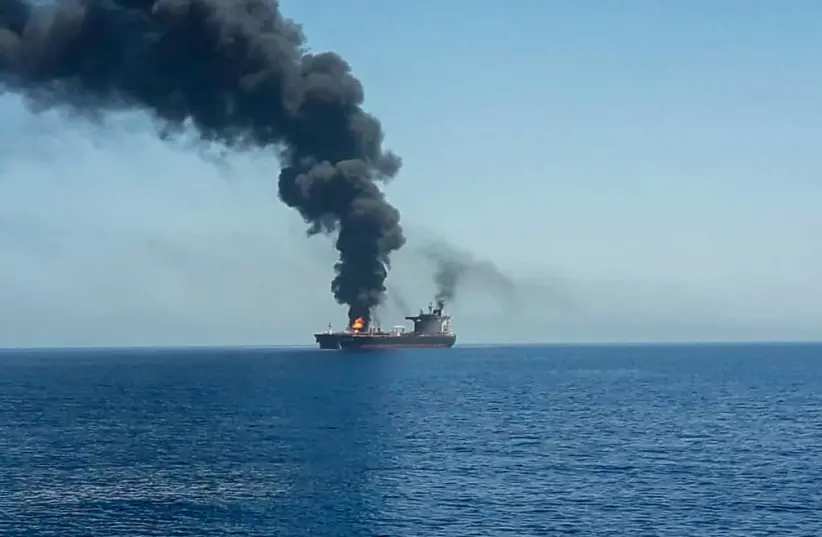
In July, Iran used drones to attack the oil tanker Mercer Street in the gulf off of Oman, killing the Romanian captain and a British security officer. In May, a drone traced back to Iran was launched from Syria towards Israel during Israel’s 11-day conflict with Hamas.
Al-Kadhimi was threatened by the most powerful of Iran’s proxy militias, Kata’ib Hezbollah (KH), after several rocket attacks on U.S. bases. After Iraqi security forces discovered plans to construct and use several more rockets against U.S. bases, they arrested several officers of the group. KH is considered a terrorist organization by the United States.
Rather than stand down, after the raid, KH operational commander Abu Fadak (also known as Abdul-Karim al-Zrejawi) gathered a force of around 150 fighters in nearly 30 pickup trucks, with at least one carrying a ZSU 23mm twin anti-aircraft cannon and many others bearing equipped with machine-gun mounts. They drove to the prime minister’s residence and demanded the suspects be released to their custody. They made it clear that Al-Kadhimi can be replaced and that they don’t answer to either the Iraqi government or the Iraqi Security Forces.
However, don’t expect Iraqi Security Forces to conclude that Iran is behind this latest drone attack. Despite the presence of Iranian components, their militias, Hamas, Hezbollah, as well as the Houthis in Yemen, have built-in deniability as to who exactly launched the attacks, despite having displayed the same drones in parades.
The Iranians are going to push and threaten the prime minister while trying to get the elections overturned and get their own people in office.








COMMENTS