


So, the Mafia and military struck a deal, and Operation Underworld was born. This wasn’t just a handshake agreement, though. It involved high-level meetings with the likes of Navy officers and even the future director of the Office of Strategic Services (OSS), which later became the CIA.
The goal? To ensure American ports’ security and prevent more incidents like the SS Normandie.
The Alliance
Lanza and his crew started helping the Navy, watching for suspicious activities and providing much-needed muscle at the docks. They had the street smarts, the local knowledge, and the manpower the Navy lacked.
This unusual alliance actually worked. With the Mafia’s help, the Navy could better secure the ports and ensure the smooth operation of this vital part of the war effort.
But, as you can imagine, this was a complex operation. There was controversy and concern. After all, the military worked with an organized crime syndicate, which raised many ethical and legal questions.
Some Navy officers opposed the whole thing, but the operation continued due to the perceived necessity.
Was Operation Underworld a Success?
Short answer, yes and no. The U.S. Navy was worried about more sabotages like the SS Normandie incident. With the Mafia’s help, there were no more major incidents of sabotage in those areas. They kept things running smoothly, which was critical during World War II when the ports were vital for the war effort.
But success came with a price. With the alliance, the government gave the Mafia much power and influence, which didn’t play out well in the long run. After the war, the Mafia in Italy became super powerful, partly thanks to the credibility they gained during the operation.
So, was Operation Underworld a success? In the short term, absolutely. It did what it set out to do.
But in the long term, it’s a mixed bag. The government did what it felt it had to do during a tough time. Still, there were definitely some consequences they probably didn’t see coming.
The Legacy of Operation Underworld
Back home, guys like Lanza had even more influence over the docks. The government had essentially turned a blind eye to their activities during the war, giving them a sort of unofficial ‘seal of approval.’
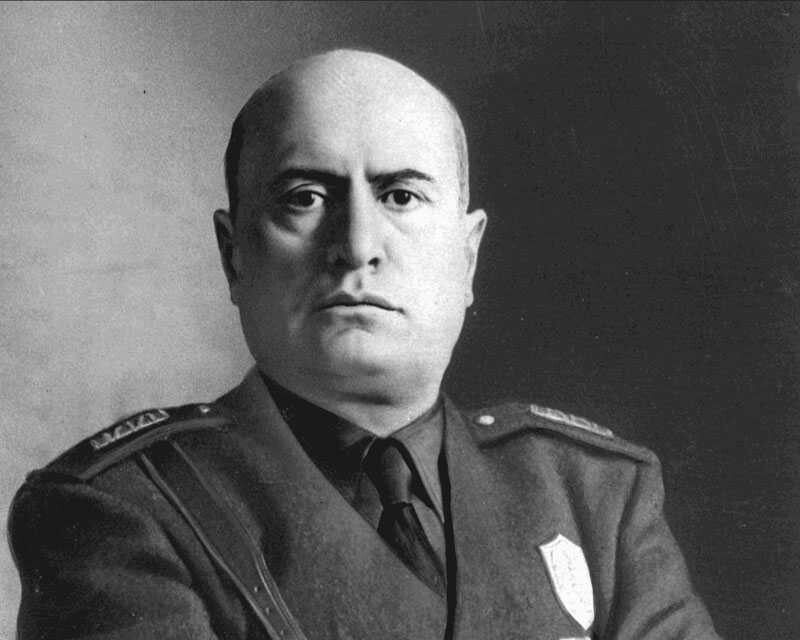
Over in Italy, things got even messier, as we mentioned earlier. After the fall of Mussolini, the Italian Mafia – who had been suppressed under the Fascist regime – saw a chance to make a comeback. They’d been working with the U.S. military, helping with the invasion of Sicily, which put them in a pretty powerful position when the dust settled.
So, while Operation Underworld was successful in its immediate goal, it also had a hand in reshaping the post-war underworld. It’s a stark reminder that even in the face of a common enemy, who you choose as friends can have far-reaching consequences.
In the grand scheme of things, Operation Underworld is a fascinating footnote in the annals of World War II history. It’s a testament to the strange bedfellows that war can make and how the mafia and military alliance can have effects that ripple through history—quite the wild ride.








COMMENTS