


Iran and Its Long History of Sanctions
Iran has a long history of sanctions pertaining to its weapons development and sale. In 1992, the United States sanctioned Iran for its support of terrorist groups and its alleged pursuit of nuclear weapons. These sanctions banned all trade with Iran, including military trade.
In 1995, the UN Security Council passed Resolution 1059, which imposed an arms embargo on Iran. This resolution was passed in response to Iran’s support of Hezbollah during the Lebanese Civil War.
The United States imposed sanctions on Iran for its alleged nuclear program and support of terrorism. These sanctions banned exports of military and dual-use items to Iran.
In 2006, the UN Security Council passed Resolution 1747, which imposed further sanctions on Iran for its nuclear program. These sanctions banned arms exports to Iran and froze the assets of individuals and companies involved in Iran’s nuclear program.
In 2009, the United States passed the Comprehensive Iran Sanctions, Accountability, and Divestment Act (CISADA), which imposed sanctions on companies that provide goods or services to Iran’s energy sector.
In 2010, the UN Security Council passed Resolution 1929, which expanded the arms embargo on Iran and imposed additional sanctions on Iran’s nuclear program. These sanctions banned exports of luxury goods to Iran and froze the assets of individuals and companies involved in Iran’s nuclear program.
According to Seth J. Frantzman, a military and security analyst specializing in the Middle East and author of the book “Drone Wars,” Iran has created a sophisticated network of front and shells firms to scavenge components from around the world for its military-industrial complex for decades.
According to Frantzman, Iran’s drones, such as the Shahed and Mohajer families, rely heavily on technology that has civilian applications, and it is more accessible for Iran to obtain engines, chips, cameras, and other elements.
“Iran may resort to reverse engineering the devices or finding a way to have them manufactured in China if it does not want to rely on a foreign supplier in Europe.”
An independent research firm in Ukraine has reportedly determined that most Iranian drone parts found in Ukraine were manufactured in the US, Europe, and other allied countries, as the Wall Street Journal reported earlier this month.
Iran’s drone program has been a target of increased US sanctions since Russia began acquiring and deploying unmanned war machines in Ukraine.
According to experts, Iranian drones have been devastatingly employed in Ukraine, where they have been used to overload Ukrainian air defenses and ensure that explosive missiles reach their targets. This has resulted in at least a dozen deaths across the country in one day of attacks.
It has been said that Russia deliberately targeted critical civilian infrastructure, such as water and energy supplies, to target critical civilian infrastructure, which may violate international law or war crimes.
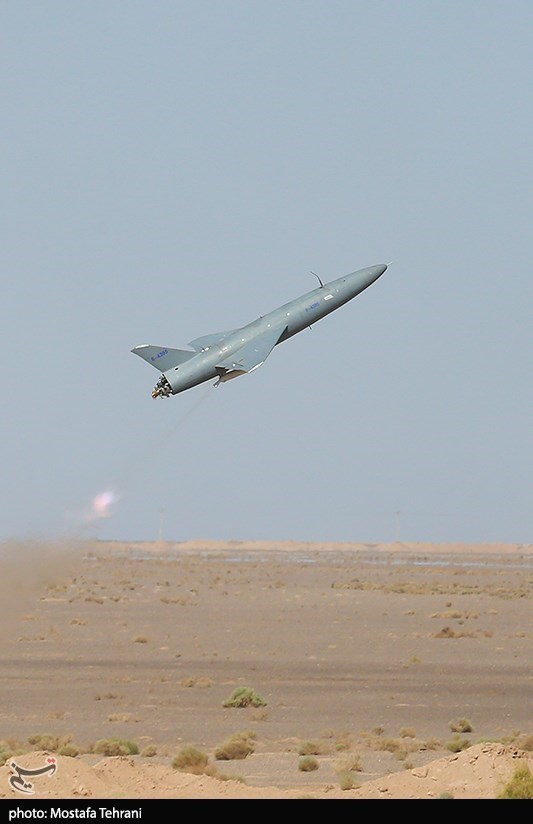
The use of Iranian drones in Ukraine has been sanctioned by the Biden administration.
Intelligence has shown that Russia is purchasing drones from Tehran and employing them in Ukraine, in addition to sanctions issued in September targeting Iran’s drone program.
The US issued sanctions in October 2021 targeting Iran’s drone program for what they said at the time were targeting “US forces, our partners, and international shipping” in the Middle East and Gulf.
American forces in Iraq said last month that they had shot down Iranian drones that appeared to be preparing to attack American soldiers.
Iran is also responsible for damaging drone strikes against close US allies like Saudi Arabia and the United Arab Emirates. A Houthi missile and drone strike in January in Abu Dhabi killed three people and wounded six, part of a string of similar assaults that were sponsored by Iran over the next few weeks. The Houthi rebels also reportedly launched an attack against Aramco, the national oil company.
It is tough to block Iran’s ability to acquire drone components, Frantzman said.
Cohen said it is challenging to keep track of civilian equipment routed to Iran via third parties, who may then unwittingly resell it.
Iran’s drones are chock-full of parts from around the world, which is not surprising. Even if one supply chain is severed, Iran has proven capable of sourcing components for its UAVs.










COMMENTS