

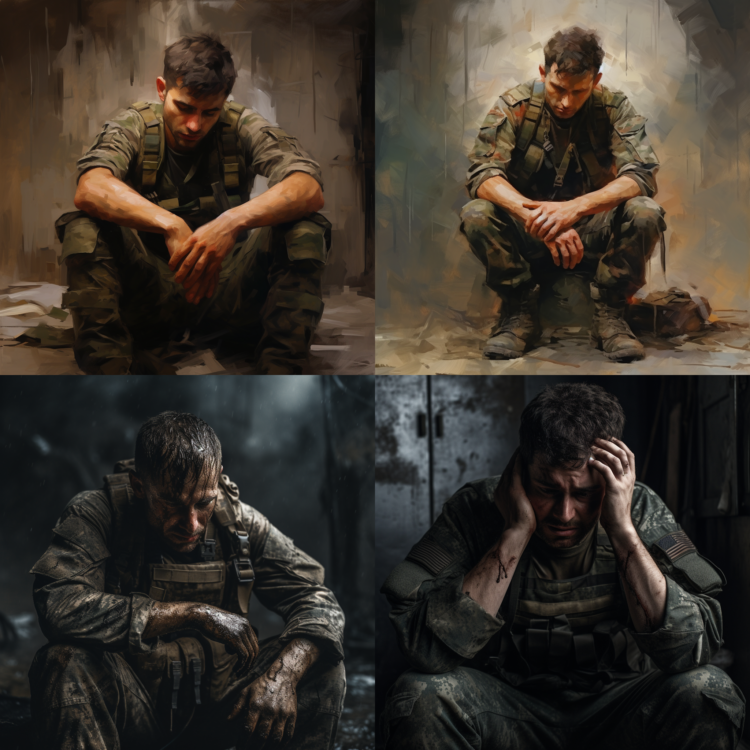

Soldiers are often away from their families and loved ones for long stretches. Missing out on life’s important moments, like your kid’s first steps or high school graduation, can lead to guilt and sadness, exacerbating the risk of depression.
The Reality of Life in Combat
Imagine being in an environment where your and your comrades’ lives can be at risk daily. That’s an intense load to bear.
Exposure to traumatic events, such as physical violence or the loss of fellow soldiers, can lead to Post Traumatic Stress Disorder (PTSD), which often goes hand-in-hand with depression.
Going Back to Civilian Life
After that, there’s the transition back to civilian life, no walk in the park. Military personnel live in a structured environment. But when they come home, they often have to figure out a new way of life, including finding a new career, which can be stressful and overwhelming.
Lastly, we can’t ignore the culture of the military itself. It’s an environment that values toughness, bravery, and self-reliance. Of course, these are all admirable traits, but they can sometimes make it hard for those struggling to ask for help.
There’s this unspoken rule that soldiers must always be strong and unshakable. But nobody’s invincible, right?
The Impact: The Serious Consequences of Depression in the Military
Depression isn’t like feeling a bit under the weather. It’s like being in a never-ending storm of sadness that sucks the joy out of life. But it’s not just about being down in the dumps. It can lead to other problems too.
For one, military folks dealing with depression are more likely to struggle with substance abuse, and a study in JAMA Network Open in 2019 confirmed it. It’s like trying to put out a fire with gasoline – it just makes things worse.
Now, here’s the tough part – suicide. According to the Department of Defense, the suicide rate among active-duty military folks was 25.9 per 100,000 in 2019.
That’s a whole lot higher than the rate for civilians. And each one of those numbers is someone’s kid, partner, parent, friend… it’s heartbreaking.
The effects of depression don’t stop at the person experiencing it. It hits families, friends, and whole military units like a tidal wave, causing strained relationships and financial troubles.
The Good News: Increased Recognition and Resources
We’ve waded through the heavy stuff, but remember the silver lining here. Because believe it or not, there’s a lot of good news to discuss regarding depression in the military.
Firstly, there’s been a significant shift in how the military views mental health. More and more, leaders are coming to understand that mental health is as important as physical health for their troops.
According to a 2021 Department of Defense report, their mental health staffing increased 35% over the past five years. That’s a significant win.
But there’s more good news. There are some terrific resources available for military personnel struggling with depression. Therapy is one of them, and it can work wonders.
Cognitive Behavioral Therapy, for instance, is a treatment that has proven very effective for depression. And according to a study published in JAMA Neurology, 60% of veterans who received Cognitive Behavioral Therapy showed significant improvement in their symptoms.
There’s also medication that can help. Antidepressants can be a valuable tool for managing depression, and they’re proven to be particularly effective when combined with talk therapy.
And let’s not forget about support groups. Knowing you’re not alone – that others have walked the same path and understand what you’re going through – can make a difference.
Reach Out, You’re Not Alone
Remember, being strong doesn’t mean suffering in silence. Whether you’re in the military or not, if you’re battling depression, reach out. Our brothers and sisters at Project Refit are here to listen.
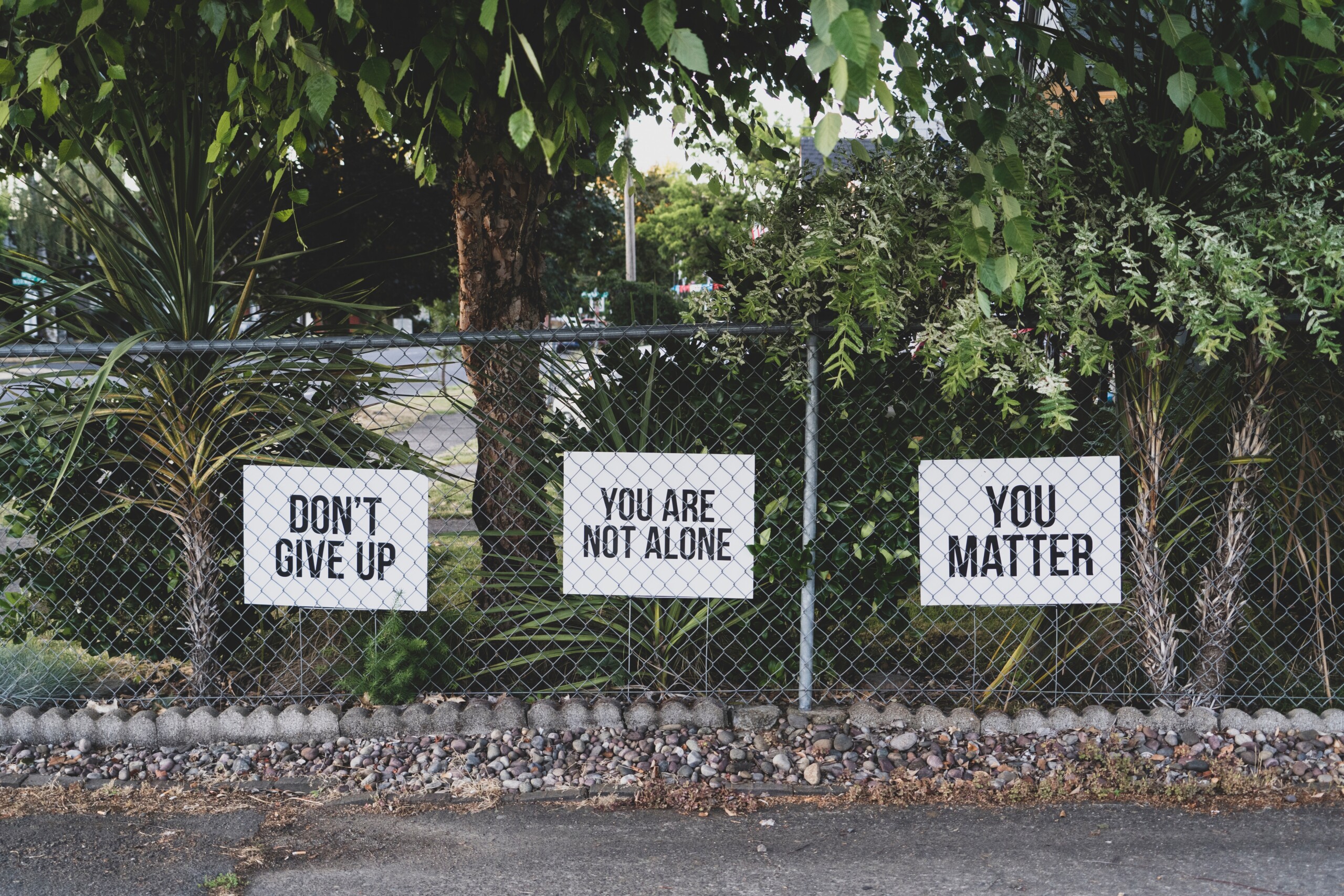
You’re not alone in this fight. Help is out there, and it’s okay to ask for it. Because even the most formidable warriors need support sometimes, and that’s perfectly okay.








COMMENTS