

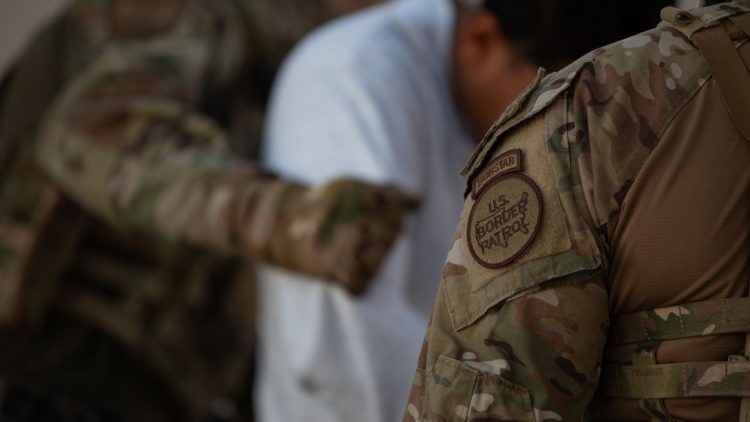
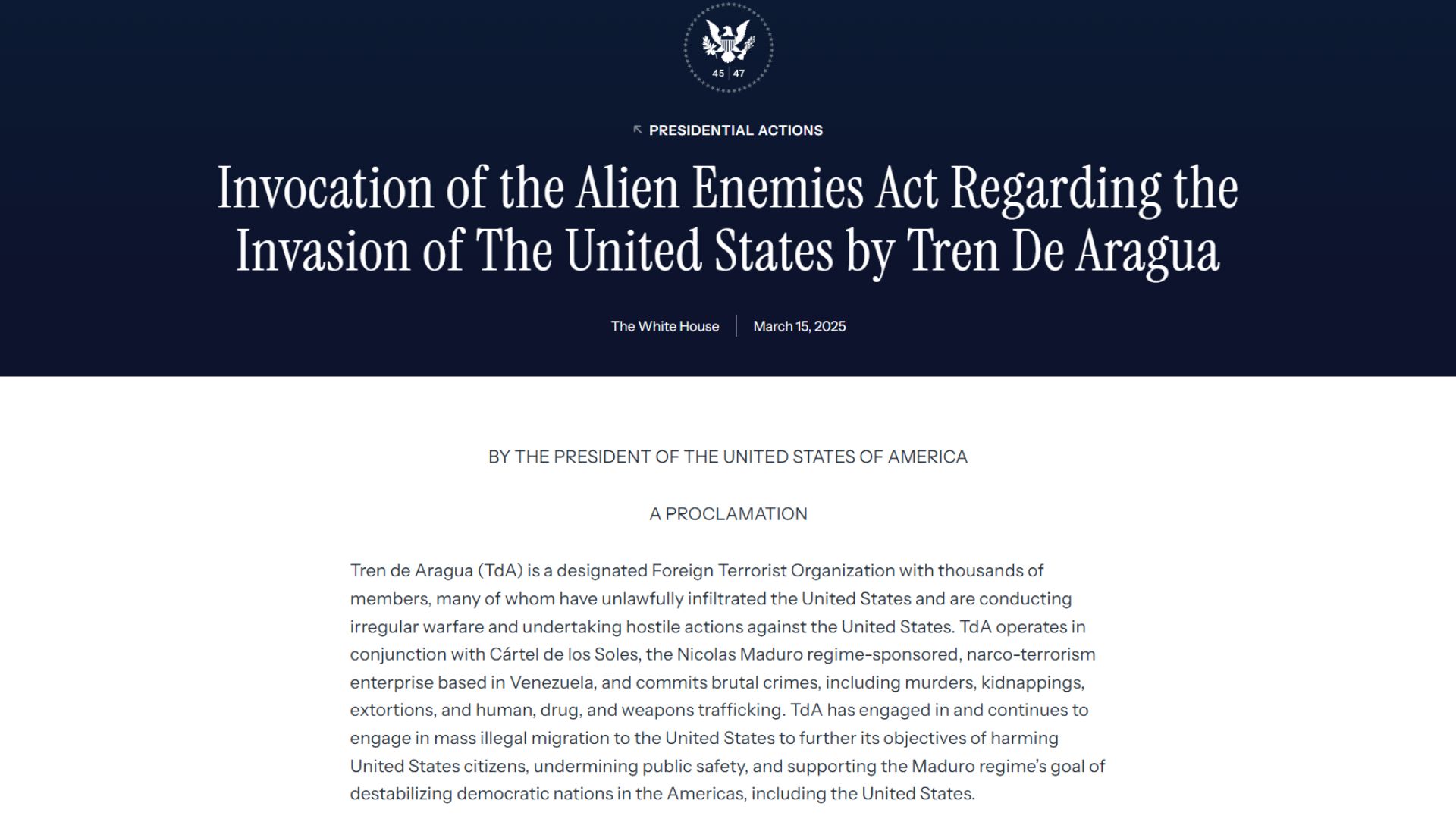
The decision was framed as a necessary action to protect US citizens from dangerous foreign criminal organizations, even though the law had never before been used in such a context.
Legal Challenges and Controversy
The invocation of the Alien Enemies Act has sparked significant legal challenges.
In response to a lawsuit filed by immigrant-rights groups, including the ACLU and Democracy Forward, US District Judge James Boasberg issued a temporary restraining order, halting the deportations of five Venezuelans named in the suit.
The judge expressed serious concerns over the legality of Trump’s use of the law, particularly given that the Alien Enemies Act was historically reserved for times of war and conflict.
Boasberg’s ruling temporarily blocked the deportations and has raised the prospect of a broader legal challenge that could impact future executive actions related to immigration policy.
The Litigation Tracker has been updated with Saturday’s historic case involving Alien Enemies Act and Chief Judge James Boasberg’s Temporary Restraining Order.https://t.co/6UpgJLj6W4
Case Summary here⬇️ pic.twitter.com/nWW8TJc26G
— Just Security (@just_security) March 15, 2025
The lawsuit, which was filed before Trump’s proclamation was even made public, argued that the law could potentially subject “countless Venezuelans” to deportation without any meaningful judicial review or hearing. By invoking the Alien Enemies Act, critics argue that Trump is circumventing due process protections, leading to the rapid and potentially arbitrary removal of individuals from the US without proper oversight.
In the wake of the legal challenge, the Justice Department appealed the ruling, arguing that the president’s authority over national security matters supersedes the court’s jurisdiction, especially when it comes to actions designed to address perceived threats from foreign entities.
The Trump administration maintains that it has the authority to define the national security interests of the US and take necessary actions, including deportation, to protect the country from foreign threats.
Impact on Immigration Policy
Trump’s invocation of the Alien Enemies Act has profound implications for US immigration policy.
Historically, US immigration law has been rooted in principles of due process, asylum rights, and protection for individuals fleeing violence and persecution.
The use of the Alien Enemies Act shifts the focus toward a national security-centric approach, where the government can take swift action to remove individuals without the traditional legal safeguards.
This move could set a precedent for future presidents to expand their executive powers in the realm of immigration enforcement. It raises questions about how far the executive branch can go in using wartime powers for immigration purposes, especially when it involves individuals who may not have committed any crimes but are associated with groups or countries deemed hostile by the US government.
The broader impact could be a shift away from the more balanced and due-process-oriented system toward one that prioritizes rapid deportations, bypassing the protections that immigrants have traditionally had under US law.

Additionally, the Trump administration’s use of the Alien Enemies Act to target immigrant criminal organizations, including gangs like Tren de Aragua, signals a shift in how immigration policy is framed.
Rather than focusing on broader immigration reforms, the administration has emphasized the removal of individuals linked to criminal activities, particularly those from countries with strained diplomatic relations with the US.
This shift could lead to more targeted immigration policies, potentially affecting large segments of immigrant populations, particularly those from regions experiencing conflict or economic instability.
National Security Implications
The invocation of the Alien Enemies Act also raises important national security questions. While the US government has the responsibility to protect its citizens from foreign threats, the use of such broad wartime powers can also be seen as a dangerous overreach.
Critics argue that labeling a criminal gang as an existential threat to national security and using it as a justification for mass deportations could undermine the principles of justice and fairness that are foundational to the US legal system.
Moreover, the precedent set by using the Alien Enemies Act could be dangerous in the future, especially if the definition of “foreign threats” becomes broader and more politically motivated.
While national security is a legitimate concern, the potential for abuse of executive powers could lead to a more authoritarian approach to immigration enforcement, stripping away the protections that immigrants and non-citizens have long relied on in the US.
Conclusion
Trump’s invocation of the Alien Enemies Act of 1798 represents a significant shift in US immigration policy, one that prioritizes national security concerns over traditional due process and legal protections for immigrants. While the president’s actions are framed as necessary for protecting the US from foreign threats, they also open the door for more expansive uses of wartime powers in domestic immigration policy.








COMMENTS