

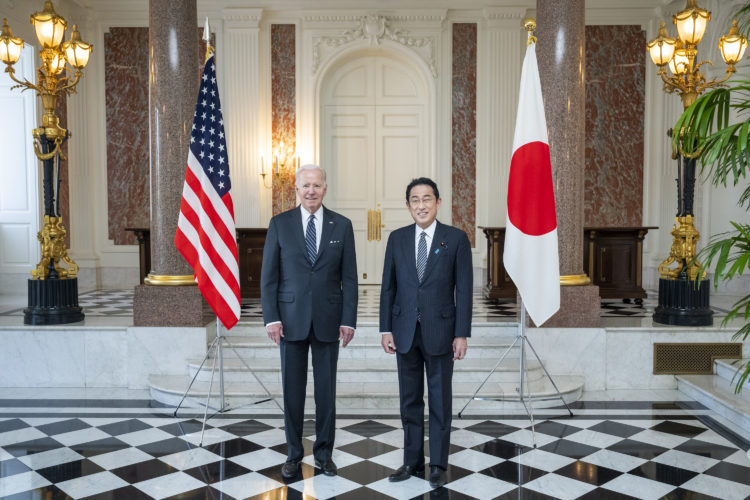
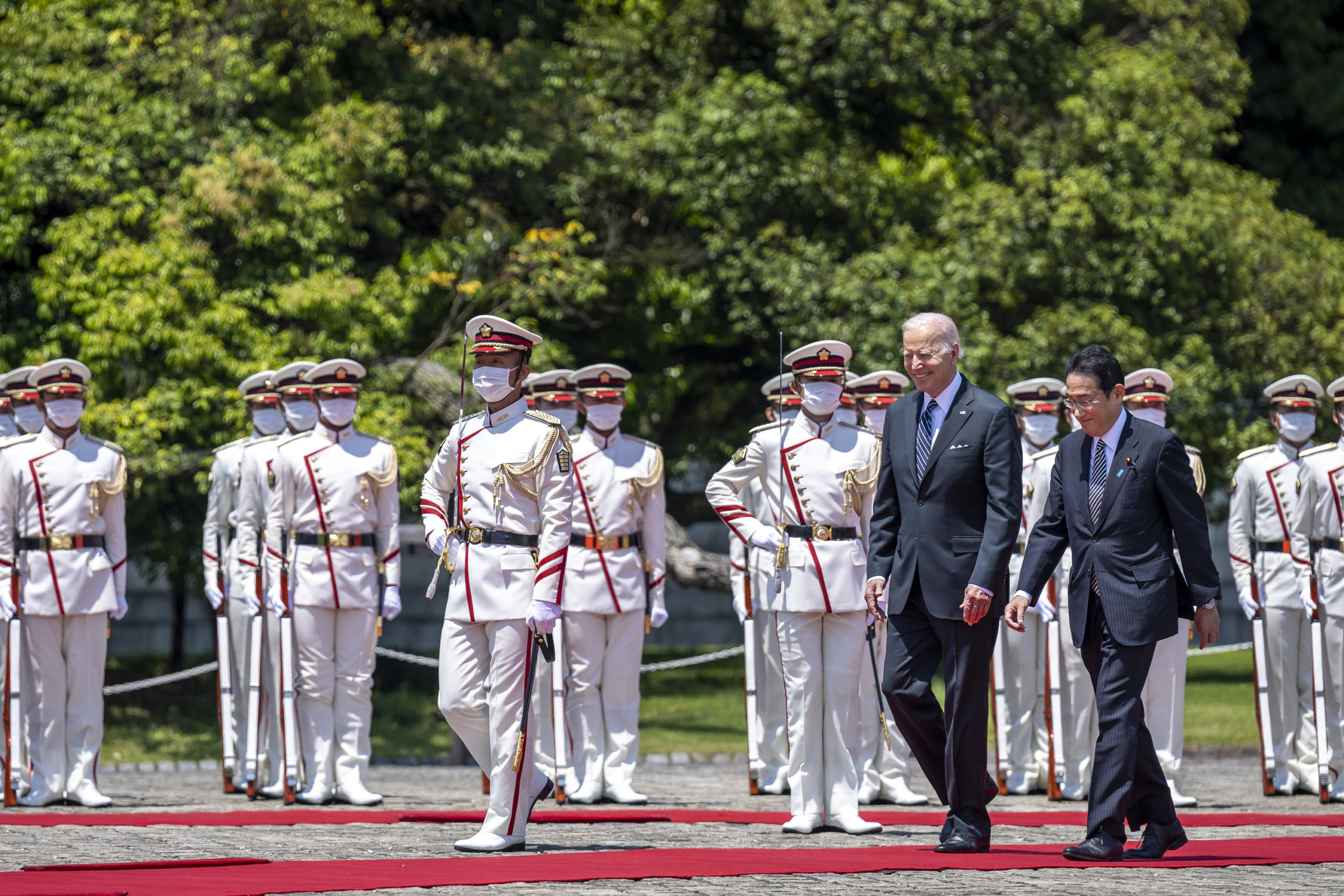
Biden’s comments on Monday were the latest addition to the long list of moments the President was caught veering off official talking points. Last March, he notably called the Russian President Vladimir Putin a “war criminal.” Days later, he was quoted saying that Putin “cannot remain in power,” essentially hinting at a regime change. Biden also called Putin “a murderous dictator” and a “pure thug” who had waged an “immoral” war against the people of Ukraine.
Russia did not take these comments lightly, stating that the US had been “Russophobic” toward the Kremlin and that the West was trying to tear their country apart because of the harsh economic sanctions the world had levied on them.
Last Monday’s press conference was also not the first time Biden said that the US would militarily engage in defense of Taiwan.
Biden has always been more open about his thinking than most politicians,” David Axelrod said. He got a chance to observe Biden up close while being a senior adviser to former President Barack Obama.
“Everyone’s strength is their weakness. His strength is authenticity. His weakness is he’s sometimes more willing than his staff would like to share his thoughts.”
This tendency does not come as much of a surprise to anyone who has followed Biden’s decades-long political career. However, the position of presidency carries more weight and allows for less room for such commentary mistakes.
Biden’s comments have stirred up reactions despite his aid’s attempts to walk it back.
“I think it is unlikely that allies will perceive this as a gaffe, even as the White House insists that there has been no change in policy,” expert on Japanese politics at Kanagawa University Corey Wallace said.
“Greater US commitment or involvement with regards to Taiwan will certainly be appreciated by Kishida and others in the Japanese government,” Wallace added.
Republican Senator of South Carolina Lindsey Graham showed support for Biden’s improvisation in Tokyo.
“President Biden’s statement that if push came to shove, the US would defend Taiwan against communist China was the right thing to say and the right thing to do,” the senator wrote on Twitter.
The President’s remarks seemed to be a reversal of what is known as Strategic Ambiguity regarding Taiwan, where you do not tell an adversary exactly what your plans are in the event of a crisis to prevent them from planning for your response in advance.
Following these remarks and them being walked back by his staff, a reporter asked President Biden if Strategic Ambiguity was no longer US policy regarding Taiwan,
“Is the policy of strategic ambiguity toward Taiwan dead?”
BIDEN: “No”
“Could you explain?”
BIDEN: “No”
No Room For Compromise
Shortly after Biden’s remarks in Japan, Chinese Foreign Ministry Spokesperson Wang Wenbin reaffirmed his country’s long-standing claim over the island democracy of Taiwan.
“Taiwan is an inalienable part of China’s territory. The Taiwan issue is purely an internal affair of China that allows no foreign intervention,” Wang said.
“When it comes to issues related to China’s sovereignty and territorial integrity and other core interests, there is no room for China to compromise or make concessions, and no one should underestimate the strong determination, firm will, and strong ability of the Chinese people to defend national sovereignty and territorial integrity.”
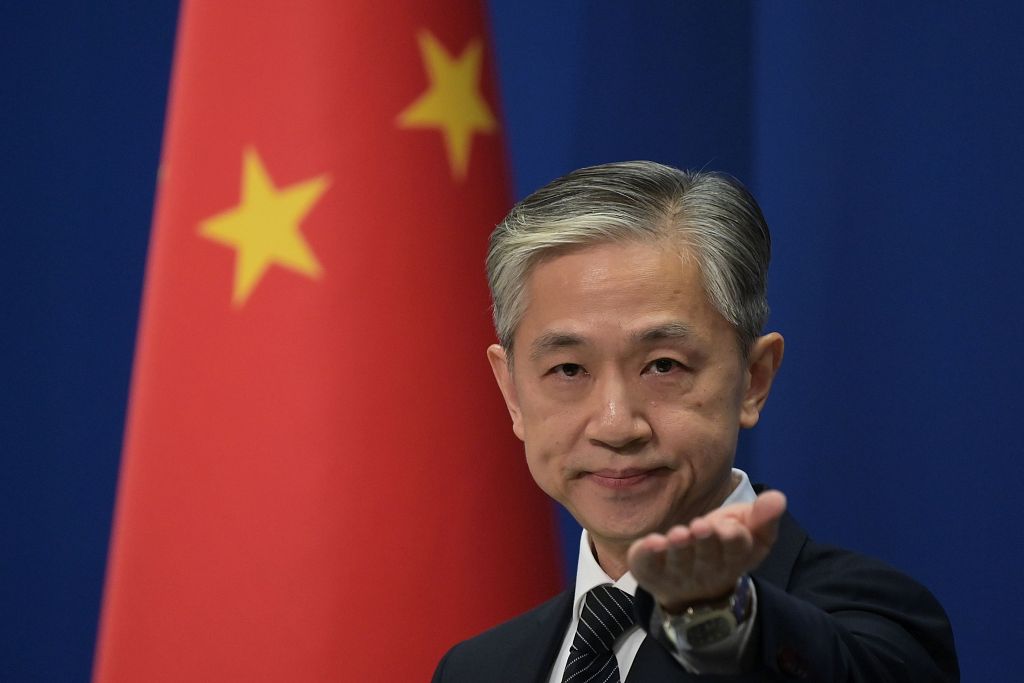
He also heeded a warning to the US, saying that it should “be cautious with its words and actions on the Taiwan issue, and not send any wrong signals to the separatist forces of Taiwan independence, so as not to seriously damage China-US relations and peace and stability in the Taiwan Strait.”
The Chinese have been known to be extremely aggressive toward obtaining Taiwan into their territory. They have launched more and more aircraft into Taiwan’s ADIZ in recent years, with some analysts saying that this is a method of wearing down Taiwan’s own fleet of aircraft.
Anticipating an attack from China, Taiwan has already kept a close eye on its adversary’s military movements and released a survival handbook to prepare the Taiwanese people for possible war scenarios and how to survive the war if in the case that China does invade them to enforce its one-China doctrine. With Putin’s invasion of Ukraine not going as planned, China continues to observe how the world reacts to the war in Ukraine, possibly setting up its own plans to invade Taiwan in a similar fashion.








COMMENTS