
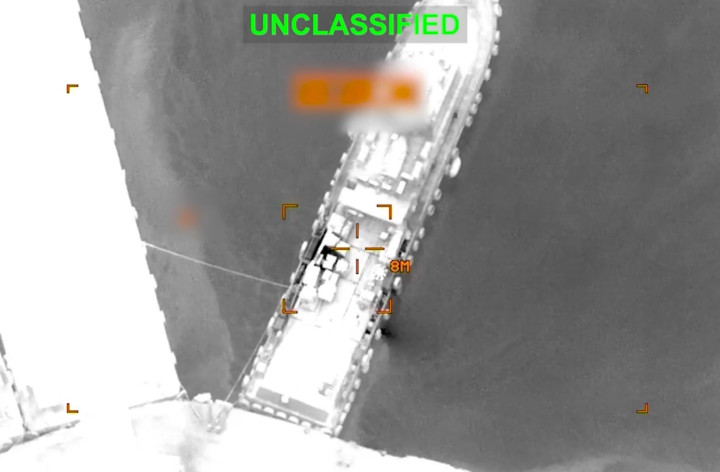
The Iran Conflict: Mapping Escalation Across Domains
Iran conflict spreads across military, maritime, cyber, and economic domains—intense, expanding, but not yet full-scale regional war.
60 articles
Latest updates tagged Strait of Hormuz on SOFREP.
Iran conflict spreads across military, maritime, cyber, and economic domains—intense, expanding, but not yet full-scale regional war.
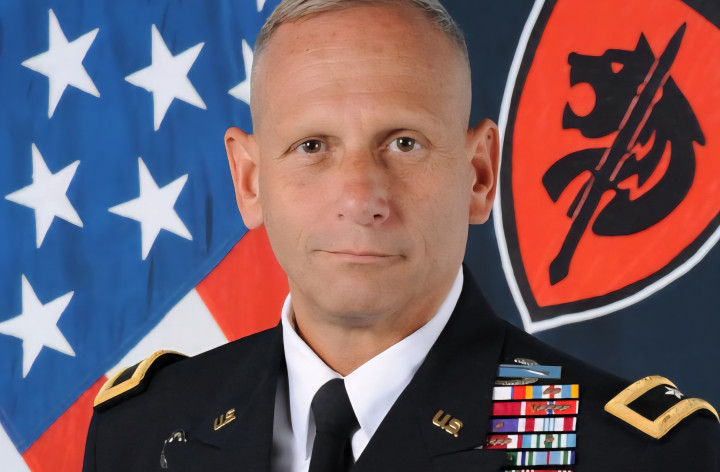
Air power may rattle Iran and win headlines, but without disciplined diplomacy, allied unity, and congressional accountability, it risks trading short-term disruption for long-term instability in a region that punishes strategic impatience.
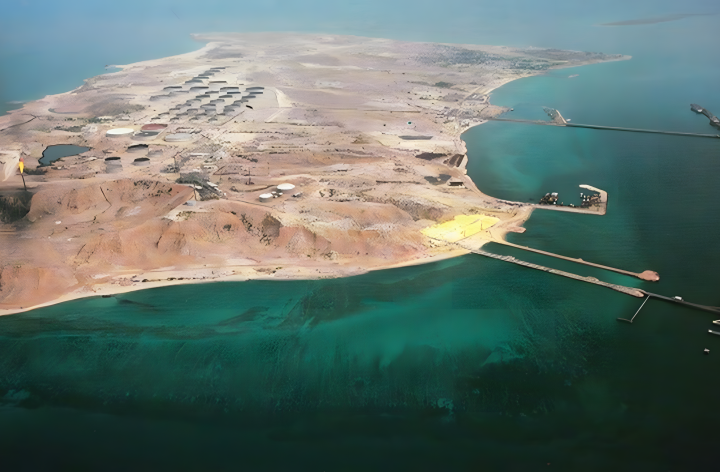
After obliterating Kharg Island’s defenses with a precision strike that spared its oil lifeline, the United States has exposed Iran’s most critical export hub as both vulnerable and within reach, a warning shot that leaves open the option of boots on the ground.
As oil chokepoints tighten and alliances strain, the unfolding standoff in the Strait of Hormuz reveals a harder truth: modern war is less about decisive battles than about who can build, sustain, and weaponize coalitions under pressure.
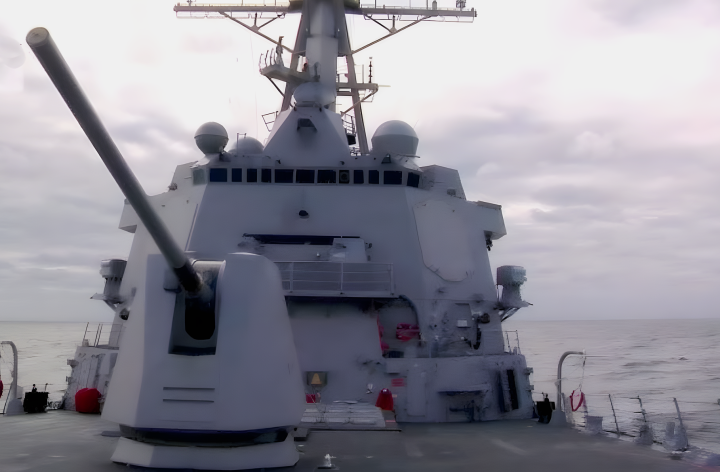
From a wounded and possibly disfigured new ruler in Tehran to a standoff in the Strait of Hormuz testing NATO’s resolve, the war with Iran now stretches from shadowy leadership intrigue to oil-choked sea lanes guarded by ships like the destroyer USS Spruance standing watch beside the carrier USS Abraham Lincoln.
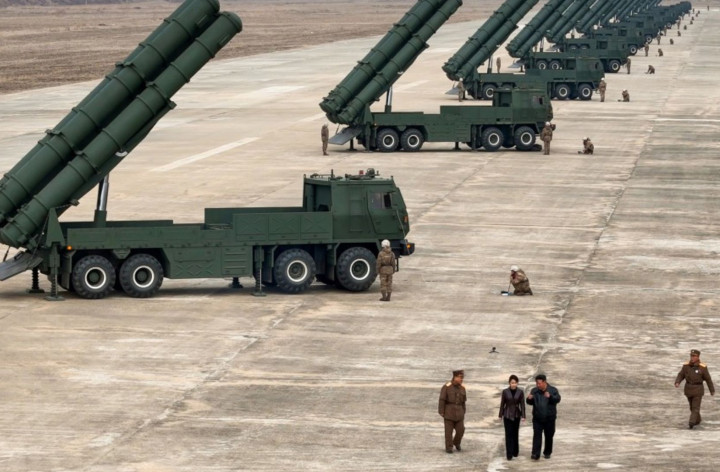
Trump urges allies warships in Strait of Hormuz. Israel links synagogue attacker’s brother to Hezbollah. Zelenskyy seeks Ukraine-Russia-US talks.

Middle East war escalates as Iran strikes, Gulf states intercept missiles, US grapples with casualties, energy chaos, and political fallout.
Attacking Iran may offer short-term military gains but risks regional escalation, economic shock, and a more defiant Tehran.
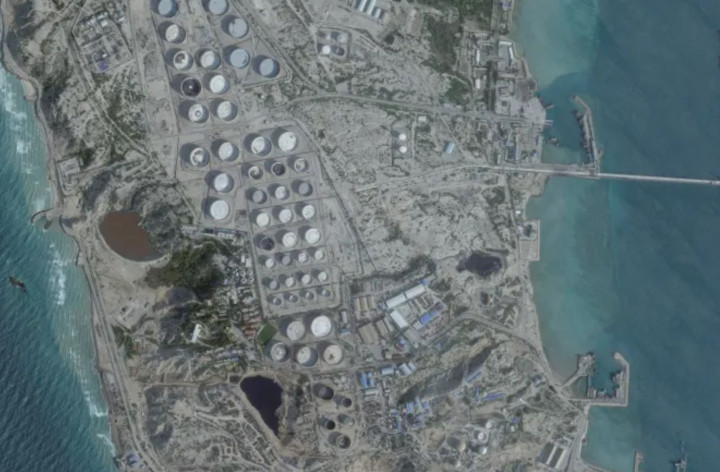
US-Israel strikes escalate conflict with Iran, disrupt global oil flow, and push jet fuel prices higher, hitting travelers worldwide.
Restraint in dealing with Iran is not weakness but strategic discipline, born from hard lessons in the Middle East and a clear understanding that reckless military escalation risks igniting a regional fire that diplomacy still has a chance to contain.
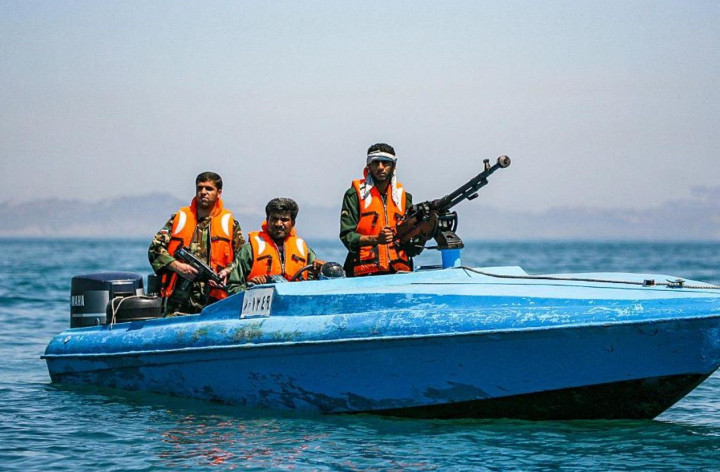
Iran squeezes the world’s oil artery at Hormuz while violence erupts from a Virginia campus to a Michigan synagogue, a reminder that from global chokepoints to quiet American streets, security plans and raw power still decide who walks away when the alarms start screaming.

War in the Strait of Hormuz is choking global shipping, forcing thirty-two nations to crack open their strategic oil reserves while a quieter fight back home unfolds over GI Bill rules that could determine whether more than a million veterans receive the education benefits they already earned.

Hywell is a premium gear brand specializing in heavy-duty Merino wool boot socks for blue-collar professionals and outdoorsmen. Backed by an ironclad 10-Year Warranty.

Praesidus builds rugged, American-assembled watches inspired by historic military timepieces. Designed for accuracy and tested for endurance, each watch is made for outdoor explorers, everyday adventurers, and anyone who needs reliability when it matters.

SIG Sauer is a world-class firearms manufacturer trusted by military, law enforcement, and responsible civilian shooters, delivering precision-engineered weapons, optics, and training systems while maintaining a strong commitment to veteran hiring, American manufacturing, and the professionals who rely on their gear when it matters most.

FightCamp is an at-home boxing and kickboxing training system built around real technique, structured programming, and measurable performance. Members train with fighters and professional coaches while using connected punch and kick trackers that record volume, speed, and power in every round. The result is training that builds conditioning, skill, discipline, and resilience — all from home, on your schedule.

Essential Provisions Field Fuel® meals [ready-to-eat] & sports nutrition products have been developed with the cleanest, high-quality nutrient and energy-dense ingredients available. Research has shown that the whole food nutrients contained in our products have the ability to help.

Have you ever tried to wear a fleece hoodie in bad weather? We don’t recommend it. That’s why we founded BÆRSkin in 2019 – to create the world’s best outdoor gear that’s just as comfortable at home as it is durable outdoors. “Bad fitting, bulky, and boring” is how we felt about 1000’s of regular fleece hoodies we tested.

If you’re 21 or older and use nicotine or tobacco, charge ahead with Black Buffalo, America’s only credible smokeless tobacco alternative. Black Buffalo dips just like the real thing without the tobacco leaf or stem. Find Black Buffalo in Wawa, Circle K, Sheetz, Love’s, Pilot, Racetrac, and many more retail locations across the United States.

Stay Locked In. No Matter What. NEORON is a brain-boosting beverage built for the mission: sugar-free, crash-free, and engineered for clean, tactical focus through long hours and high-stakes operations. Made for those who grind, stay sharp under pressure, and refuse to fold—if failure isn’t an option, NEORON has your six.