



Peace Treaties and Diplomacy
While Israel has had to rely on its military strength to defend its sovereignty, it has also engaged in diplomacy to secure peace with some of its Arab neighbors.
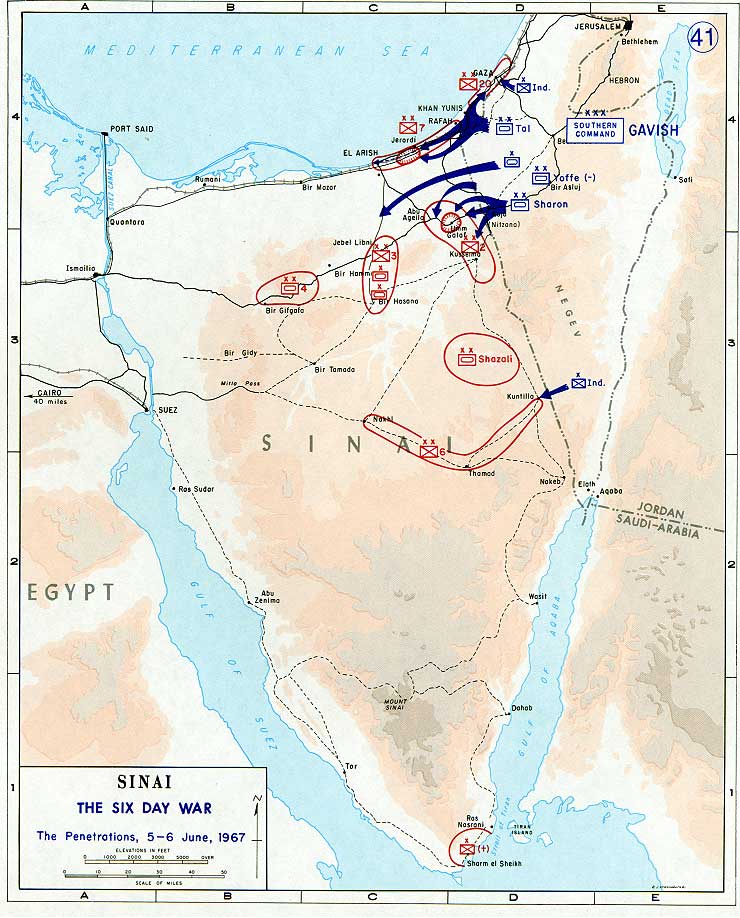
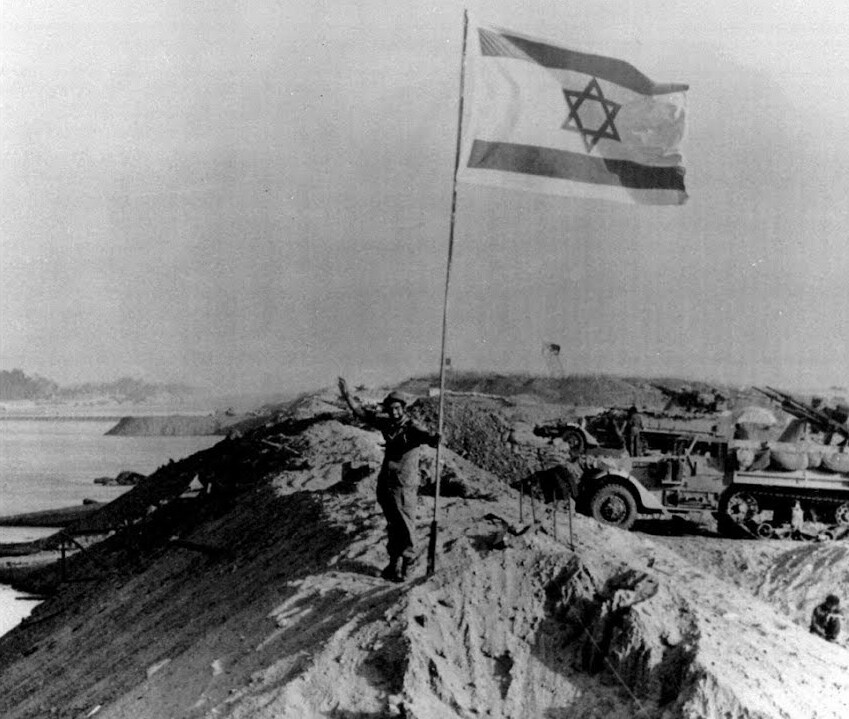
The Camp David Accords of 1978 led to a peace treaty between Israel and Egypt, with the Sinai Peninsula being returned to the latter. Then, in 1994, Israel signed a peace treaty with Jordan, further stabilizing its eastern border.
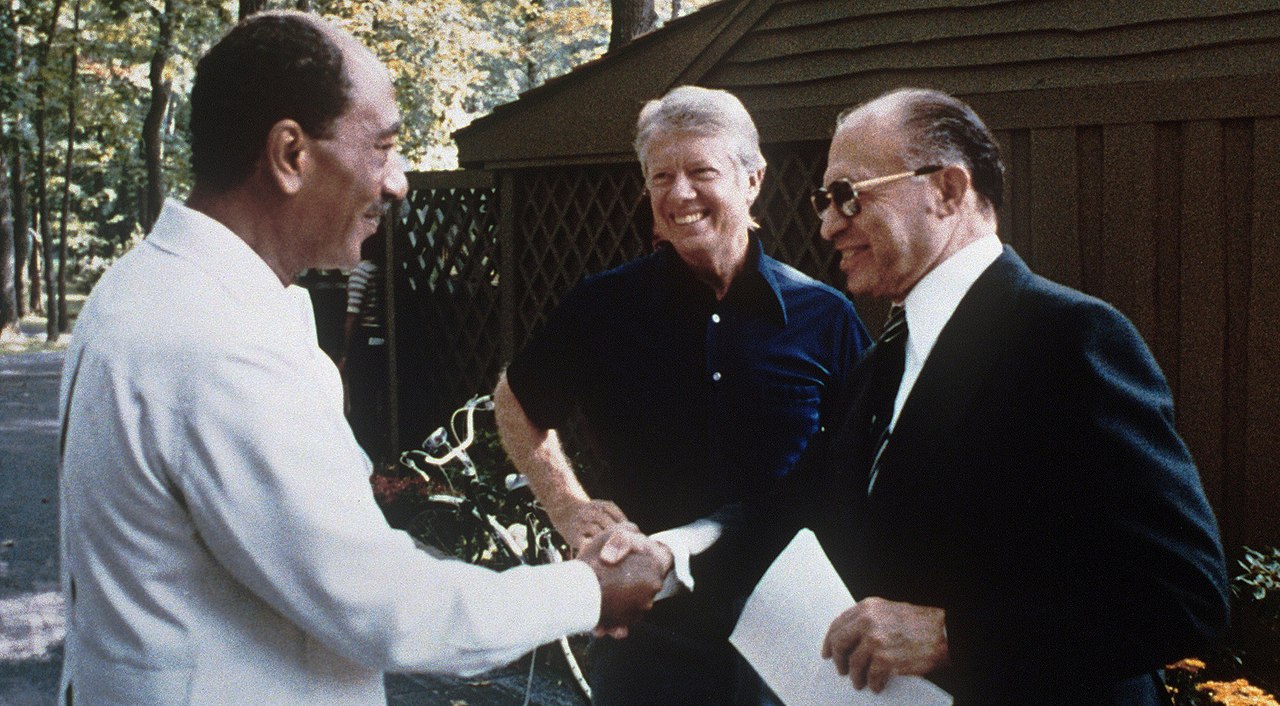
These peace treaties demonstrated Israel’s willingness to negotiate and seek peaceful solutions to regional conflicts, even as it maintained a strong military posture to ensure its security.
The Challenge of Palestinian Territories
One of the most complex challenges to Israel’s sovereignty has been the issue of the Palestinian territories, notably the West Bank and Gaza Strip. The Israeli government’s policies and actions in these areas have been a subject of international controversy.
The First Intifada (1987-1993) and the Second Intifada (2000-2005) were Palestinian uprisings against Israeli rule in the territories. These periods of unrest have highlighted the difficulties Israel faced in maintaining control over these areas and the limitations of military force in resolving the Palestinian issue.
Peace efforts, such as the Oslo Accords in the 1990s, aimed at establishing a two-state solution, but progress has been slow, and the situation remains a significant challenge to Israel’s sovereignty and security.
Modern Security Challenges
Israel continues to face security challenges from various sources, including terrorist groups like Hamas in Gaza and Hezbollah in Lebanon. These groups have launched rocket attacks and engaged in guerrilla warfare against Israel, posing a constant threat to its sovereignty.
Israel has also had to contend with the Iranian regime, which openly calls for its destruction and provides support to anti-Israeli groups in the region—prompting its military force to develop and acquire advanced missile defense systems and engage in covert operations to counter Iran’s influence.
The recent escalation of hostilities between Israel and Hamas, resulting in a formal declaration of war by the Israeli government, has profound implications for Israel’s sovereignty and future.
The significant military steps taken in response to Hamas’s surprise attack, along with the ongoing casualties on both sides, have brought about a level of violence and loss not seen in the region for decades. Moreover, the potential for a ground assault into Gaza raises concerns about the escalation of casualties and the possibility of prolonged conflict.
~
From its declaration of independence in 1948, Israel has undoubtedly faced myriad challenges, from wars and territorial conflicts to ongoing struggles in the Palestinian territories. These challenges have tested the nation’s mettle, prompting it to evolve and adapt its military strategies while simultaneously seeking diplomatic solutions.
As we witness the current events unfold, with the declaration of war against Hamas and the toll it has taken on both sides, it is a stark reminder of the enduring complexities in the region. The path forward for Israel, like its past, remains a delicate balance between safeguarding its sovereignty and pursuing the prospects of a peaceful future in a region marked by turbulence and uncertainty.








COMMENTS