

Is Big Army “patching over” citizen-soldiers, their history and communities?
AI Overview
Summary is AI-generated, newsroom-reviewed.
Throughout the past year, the U.S. Army has pushed a lot of narrative about “multi-component” units — those comprising formations of Regular Army, Army Reserve, and Army National Guard soldiers. This messaging usually focuses on flashy “re-patching” or “patch-over” ceremonies, in which soldiers (usu
Read the full article for more on:
- Important insights and detailed analysis
- Expert commentary on current events
- Breaking developments and updates
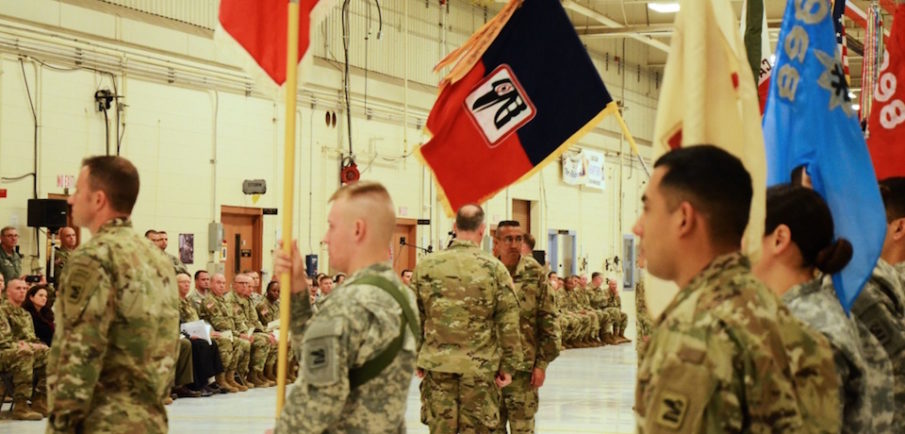
Is Big Army “patching over” citizen-soldiers, their history and communities?
SOFREP News Team
Speed
1x
Throughout the past year, the U.S. Army has pushed a lot of narrative about “multi-component” units — those comprising formations of Regular Army, Army Reserve, and Army National Guard soldiers. This messaging usually focuses on flashy “re-patching” or “patch-over” ceremonies, in which soldiers (usually reservists) replace the patches on their left shoulders with those of […]
Advertisement
What readers are saying
Generating a quick summary of the conversation...
This summary is AI-generated. AI can make mistakes and this summary is not a replacement for reading the comments.








COMMENTS