

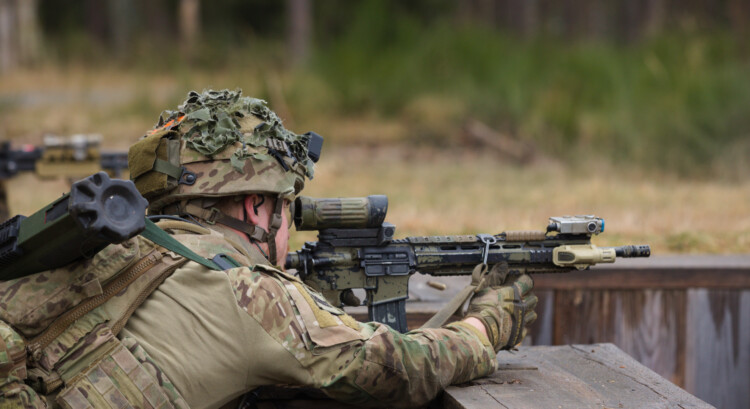
— Volodymyr Zelenskyy / Володимир Зеленський (@ZelenskyyUa) May 29, 2023
Like its fellow NATO members, Denmark has transferred substantial military aid to Ukraine since the onset of the Russian invasion. It comprises hundreds of anti-tanks, anti-aircraft missiles, and anti-ship missiles; dozens of armored vehicles; and thousands of rounds of ammunition. On top of that, the Danish government also sent in other crucial supplies such as field rations, fuel, and medical supplies, as well as a separate million-dollar funding aimed at humanitarian assistance.
Nevertheless, Lund Poulsen stressed its commitment to maintaining low levels of tension in the Arctic and North Atlantic regions through this increased military expenditure. Aside from ensuring peace and stability in its country and on this side of Europe, Denmark also aims to fulfill its obligations to contribute to the security of the Baltics and the Baltic Sea, at the same time, demonstrate its continuing support for Ukraine amidst its challenges in the wake of the Russian invasion and its willingness to engage in international peacekeeping and support missions as needed.
Denmark is among the founding members of NATO following the successful signing of the North Atlantic Treaty (also known as the Washington Treaty) on April 1949. It was a significant move for the Danish government to join the alliance, which previously maintained a neutral stance. The aftermath of World War II and the growing threat posed by the Soviet Union had pushed its leaders to gravitate toward securing a NATO membership to bolster its defense capabilities. Since then, Copenhagen has played a major role in the intergovernmental military alliance, including the Korean War and Cold War, and has even sent troops to fight in Afghanistan.
The country has been at the forefront of supporting NATO-related efforts, especially in promoting democracy and stability in Europe, as well as ensuring to adapt to whatever new security challenges arise caused by Russia and anything related to terrorism across the globe.
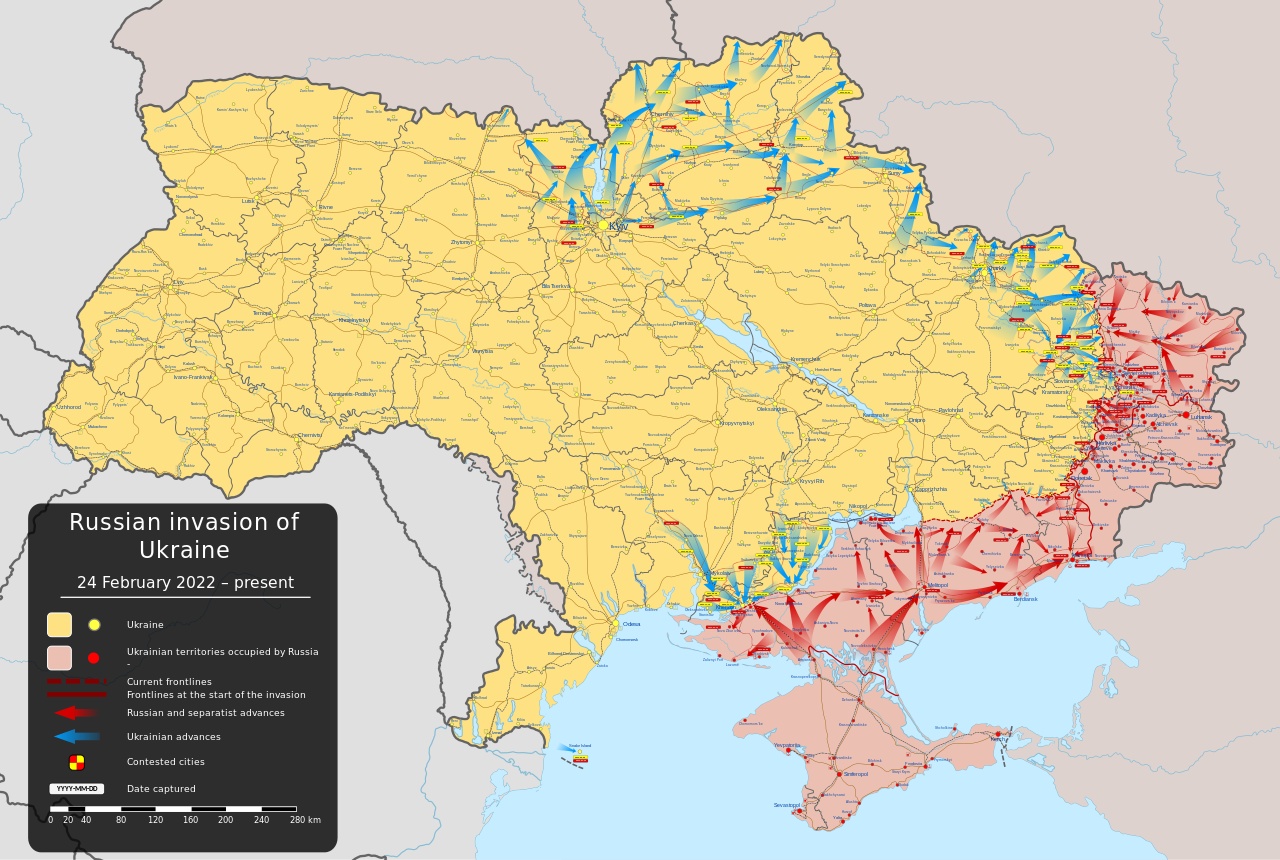
As mentioned, Denmark has contributed significantly since the onset of the Russian invasion of Ukraine in February last year. In addition to providing weaponry, ammunition, and equipment, Denmark goes a step further by providing valuable training support to Ukrainian troops. Notably, it recently participated in a collective Western effort to train Ukrainian pilots specifically on the operation and maintenance of American-built F-16 Fighting Falcons fighter jets. This training initiative took place in mid-May and exemplifies Denmark’s commitment to enhancing Ukraine’s military capabilities and fostering cooperation among allied nations.
The fight presses on for the Ukrainian troops and is gearing up for its summer counteroffensive as Russian forces advance into the majority in the country’s eastern region. Ukraine, with military support from the West, seeks to retake its lost territories that Russia has taken over since the onset of the invasion.
—
Book recommendation: Denmark has a long history of neutrality, dating back to the Napoleonic Wars until Adolf Hitler and its Nazi German troops decided to invade the country in Operation Weserübung in 1940. The Danish government surrendered after resisting for only six hours, as the German army significantly outnumbered and outgunned them. Driven by human decency and national pride, Danes eventually began standing up against the occupation, which grew into an extraordinary resistance movement that would push Germans out of the country. The aftermath of the Second World War would later lead Denmark to join a military alliance despite initial protests from some of its citizens. To learn more about the Danish resistance in WWII, check out Hitler’s Savage Canary by David Lampe here!









COMMENTS