
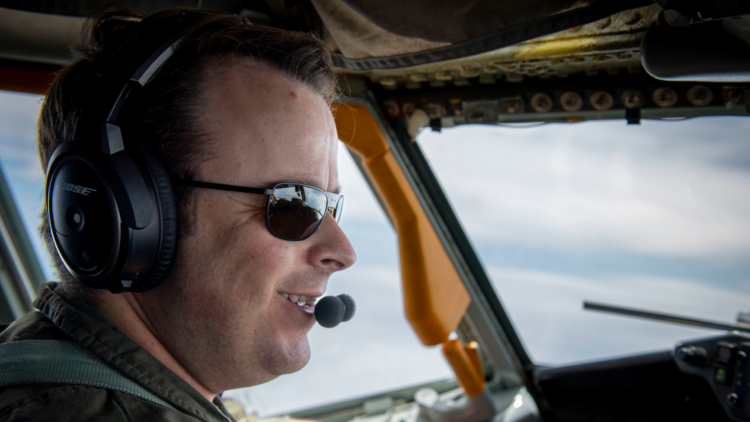
This innovative gear will consist of varied configurations tailored to counter specific threats encountered in diverse operational scenarios.
“The consequences of getting lasered without having proper protection could not only prevent the pilot from flying and landing an aircraft safely, but it could also cost them their career. So, our goal is to ensure the right eyewear is available to everyone,” Coats explained.
Notable features encompass ballistic spectacles, distinct day and night spectacles, and visors designed to seamlessly integrate with night vision goggles.
One of the standout elements is the capability to facilitate increased natural light passage through the lenses, thereby augmenting visibility and situational awareness—a crucial aspect in high-stakes aerial operations.
Customized Distribution for Targeted Protection
What distinguishes this initiative is its meticulous customization.
AFLCMC plans to selectively distribute these specialized eyewear sets among domestic and international US Air Force pilots.
However, this distribution strategy excludes aircrews operating the F-35 Lightning II fighter jets and the U-2 one-seater high-altitude reconnaissance aircraft.
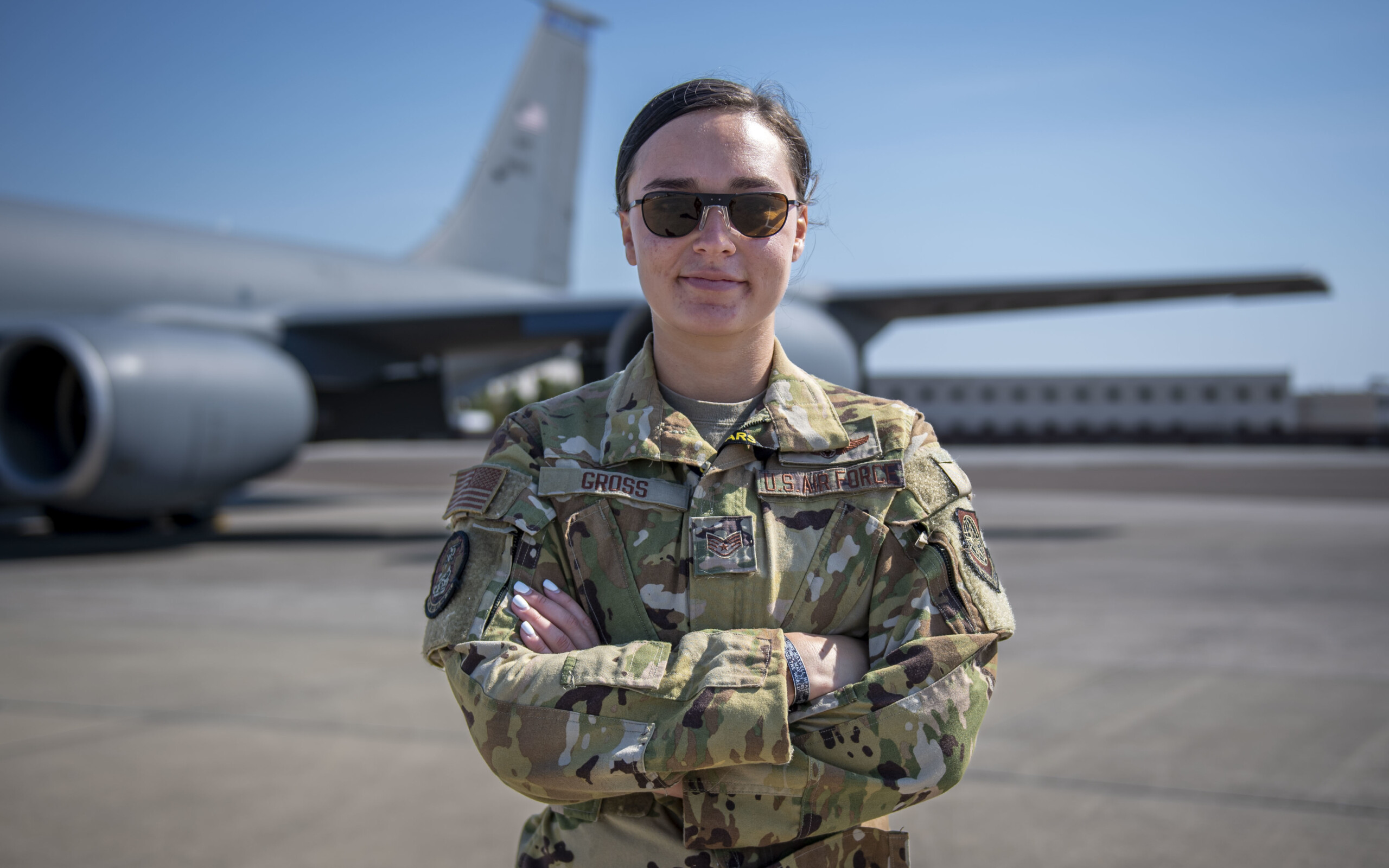
The rationale behind this tailored approach lies in ensuring that each aircrew member receives a configuration that aligns precisely with their operational requirements.
Mark Beer, AFLCMC Aircrew Laser Eye Protection Deputy Program Manager, explained the rationale for allocating these configurations.
“If flying low and slow or hovering like a helicopter or CV-22 Osprey, aircrew would prefer to have ballistic protection as well as laser protection,” Beer said in a press release statement.
However, he highlighted that the necessity for ballistic protection diminishes significantly in high-altitude scenarios or when piloting fighter aircraft or bombers.
Collaborative Development for Enhanced Capabilities
The development of this advanced protective gear was no solitary endeavor.
AFLCMC collaborated extensively with the Air Force Research Laboratory in the pre-engineering manufacturing and development phase.
The Air Force Research Laboratory played a pivotal role in conducting experiments exploring dye and filter technologies, essential components in fortifying eyewear against prevailing threats.
Moreover, AFLCMC engaged with the US intelligence community to comprehensively understand and assess the diverse array of threats that aircrew members face.
“We also worked with the US intelligence community which provided an assessment of the threats facing aircrew members,” Beer said. “We used that information to determine what we needed to protect against and which eyewear protection technologies we needed to pursue.”
Leveraging this invaluable insight, the project team determined the precise protective technologies required to confront these threats head-on.
Future Implementation: Ensuring Safety for Aircrew Members
This project’s estimated timeline is ambitious yet promising.
By 2027, the US Air Force anticipates fielding over 42,000 sets of this specialized eyewear across its service branches.
This rollout underscores the commitment to prioritizing the safety and operational efficacy of aircrew members.
The crux of this initiative lies in its collaborative foundation—a testament to the synergy between AFLCMC, the Air Force Research Laboratory, and the US intelligence community.
The amalgamation of expertise, innovative technologies, and a meticulous understanding of operational needs has culminated in a game-changing development for pilot safety and mission effectiveness.
Conclusion: A New Frontier in Pilot Safety
In conclusion, AFLCMC’s endeavor to upgrade protective eyewear for pilots stands as a testament to the Air Force’s unwavering dedication to the safety and proficiency of its aircrew members.
By integrating state-of-the-art technologies with a nuanced understanding of operational exigencies, this initiative signifies a paradigm shift in fortifying pilots against modern threats.
As the project progresses towards implementation, the skies become safer, allowing pilots to soar with increased confidence and security in the face of evolving challenges.
—
Check out and add to your reading list:










COMMENTS