
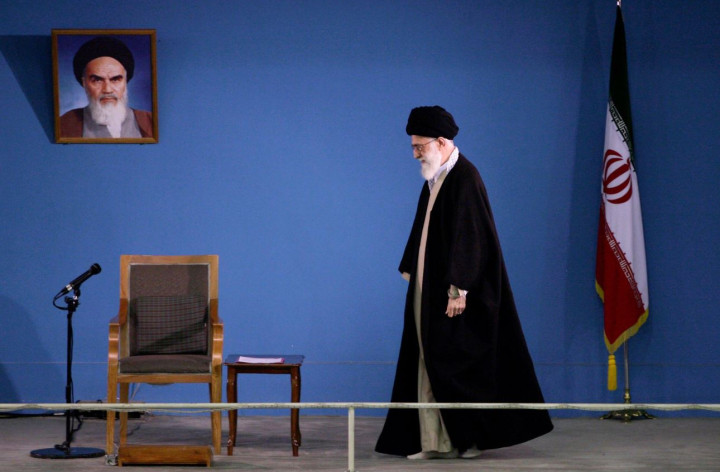
Beyond Deterrence: Understanding Iran’s Strategic Culture
A system built for endurance doesn’t break under pressure, it adapts, absorbs, and keeps shaping the battlefield long after its opponents think the game is over.
32,479 articles
Latest News stories, analysis, and updates from SOFREP.
A system built for endurance doesn’t break under pressure, it adapts, absorbs, and keeps shaping the battlefield long after its opponents think the game is over.

A data center goes dark. An insurance market walks. A $2 trillion investment pledge starts to wobble. This isn’t a war about nuclear weapons. It’s a war about who controls the next fifty years of the global economy… and the briefing you’re getting leaves that part out entirely
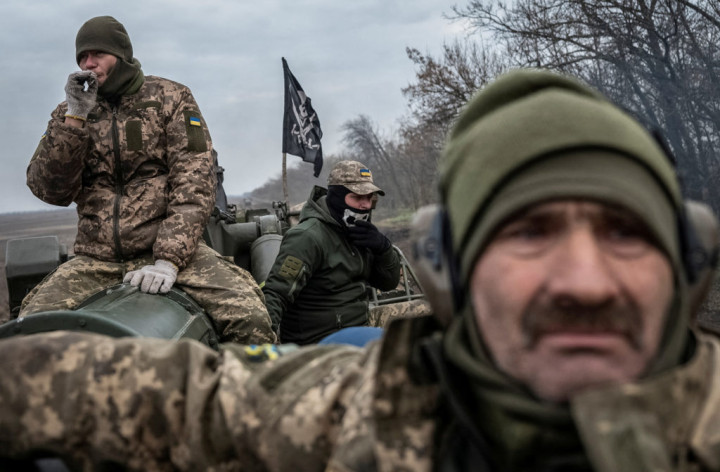
Russian forces are pressing along multiple sectors as Ukraine holds a strained defensive line, while drone warfare and widening ties between Moscow and Tehran complicate an already stalled diplomatic landscape.
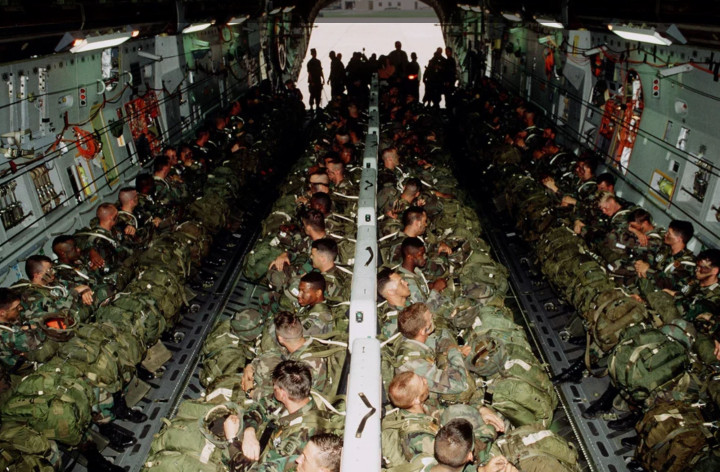
From paratroopers who can be wheels-up in two hours to a war that refuses to end on command to a Chaplain Corps now squeezing hundreds of beliefs into a few dozen boxes, the message is the same, speed, pressure, and control are colliding across every layer of the force.
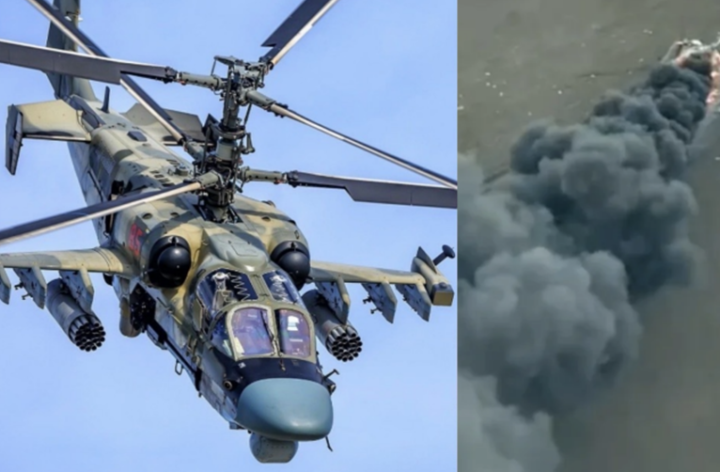
A $16 million Ka-52 prowling low over Nadiivka never saw the $10,000 hunter closing in, until a Ukrainian FPV drone turned its rocket pod into a fireball and proved, again, that in this war the smallest weapons are rewriting the rules of survival.

It wasn’t chaos, it was order, built step by step by men who never thought they’d lost their way.
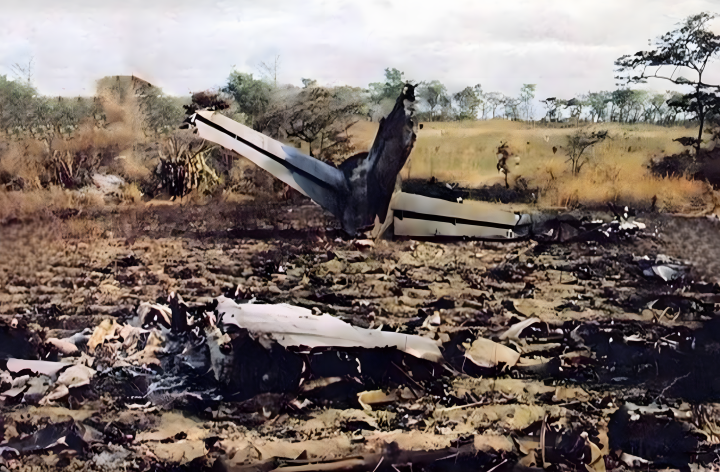
After Flight 825 fell from the sky and its survivors were hunted in the wreckage, the war shed any remaining pretense of moral clarity, exposing a conflict where atrocity was met not with outrage, but with silence.
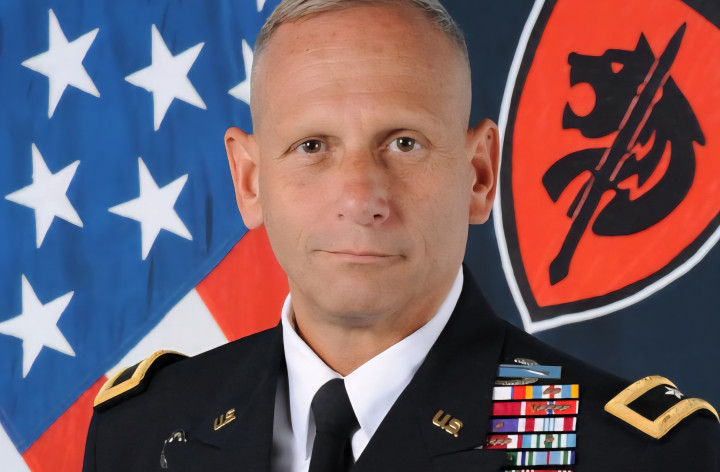
We are striking targets at scale, but Iran’s continued missile launches and attacks on regional energy infrastructure make clear that tactical success is not yet translating into strategic effect.

A small but visible group of Americans has turned toward Russia in recent years, some out of ideology, others out of necessity, and a few out of pure opportunism. Their stories differ, but the pattern is clear. When doors close at home, Moscow has a way of opening one.

Back-channel messages are flying, the Strait is being quietly throttled, and while the Pentagon counts targets like yardage, the war keeps moving on its own terms.

A war launched without a defined end state, sold through metrics and bravado, and blind to an enemy that measures time in generations rather than news cycles, is not a path to victory but a slow-motion admission of strategic failure.
A former CIA officer confirms a government kill list is real, and asks me a question I still can’t answer.

SIG Sauer is a world-class firearms manufacturer trusted by military, law enforcement, and responsible civilian shooters, delivering precision-engineered weapons, optics, and training systems while maintaining a strong commitment to veteran hiring, American manufacturing, and the professionals who rely on their gear when it matters most.

FightCamp is an at-home boxing and kickboxing training system built around real technique, structured programming, and measurable performance. Members train with fighters and professional coaches while using connected punch and kick trackers that record volume, speed, and power in every round. The result is training that builds conditioning, skill, discipline, and resilience — all from home, on your schedule.

Barrett is the world leader in long-range, large-caliber, precision rifle design and manufacturing. Barrett products are used by civilians, sport shooters, law enforcement agencies, the United States military, and more than 75 State Department-approved countries around the world.

Hywell is a premium gear brand specializing in heavy-duty Merino wool boot socks for blue-collar professionals and outdoorsmen. Backed by an ironclad 10-Year Warranty.

Praesidus builds rugged, American-assembled watches inspired by historic military timepieces. Designed for accuracy and tested for endurance, each watch is made for outdoor explorers, everyday adventurers, and anyone who needs reliability when it matters.

Essential Provisions Field Fuel® meals [ready-to-eat] & sports nutrition products have been developed with the cleanest, high-quality nutrient and energy-dense ingredients available. Research has shown that the whole food nutrients contained in our products have the ability to help.

Have you ever tried to wear a fleece hoodie in bad weather? We don’t recommend it. That’s why we founded BÆRSkin in 2019 – to create the world’s best outdoor gear that’s just as comfortable at home as it is durable outdoors. “Bad fitting, bulky, and boring” is how we felt about 1000’s of regular fleece hoodies we tested.

If you’re 21 or older and use nicotine or tobacco, charge ahead with Black Buffalo, America’s only credible smokeless tobacco alternative. Black Buffalo dips just like the real thing without the tobacco leaf or stem. Find Black Buffalo in Wawa, Circle K, Sheetz, Love’s, Pilot, Racetrac, and many more retail locations across the United States.