


Mali-Russia Relations
In recent years, the relations between Mali and Russia have garnered attention due to various engagements and developments. In February 2023, Russian Foreign Minister Sergey Lavrov visited Mali and announced increased military support for the Malian army junta. Moscow’s assistance is aimed at aiding Mali in its efforts to combat an Islamist insurgency in the Sahel region. This visit marked the first time a head of the Russian Foreign Ministry had visited Mali, while it was Lavrov’s third trip to Africa since July 2022. Russia’s engagement in Africa is part of a broader strategy to expand its presence on the continent following international isolation resulting from its invasion of Ukraine last year.
It is important to note that the meeting between Russian officials and the Malian junta occurred in the context of ongoing concerns about human rights violations and possible war crimes. The United Nations recently called for an independent investigation into alleged war crimes and crimes against humanity by both Malian government forces and the Russian private military contractor, Wagner Group, in Mali. This underscores the complex dynamics of the Mali-Russia relationship, where military and defense ties are coupled with concerns about human rights and accountability.
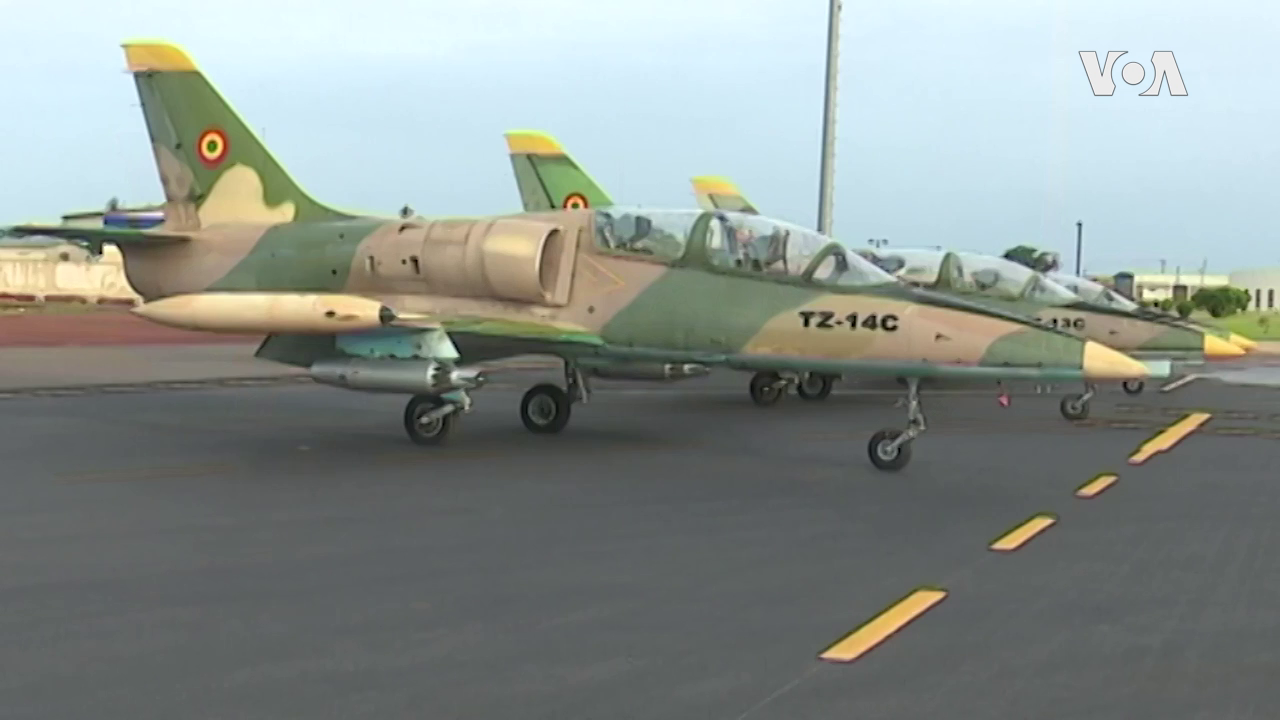
In addition to military and defense cooperation, Mali also seeks to strengthen its economic ties with Russia and gain preferential access to essential products. The desire for enhanced economic cooperation reflects Mali’s aspirations for economic development and diversification of its trade partnerships.
The evolving relations between Mali and Russia reflect a mix of strategic interests, security concerns, and economic objectives. As these dynamics continue to unfold, it is essential to closely monitor developments and their implications for both countries and the broader regional context.
A Wake-Up Call for Vigilance
While classified and top-secret US military communications are transmitted through separate IT systems, mitigating the risk of accidental compromise, experts have highlighted the potential security risks associated with seemingly harmless information. Even seemingly innocuous details about individual personnel could prove useful to US adversaries, allowing them to build dossiers for espionage purposes or coerce individuals into disclosing critical information in exchange for financial benefits.
Security experts, including Steven Stransky, a former senior counsel to the Department of Homeland Security’s Intelligence Law Division, have emphasized that human error poses significant risks in both government and private sector IT environments.
Lee McKnight, a professor of information studies at Syracuse University, has noted that the US military was fortunate that the misdirected emails ended up in a domain used by Mali’s government rather than falling into the hands of cybercriminals. The incident highlights the prevalence of “typo-squatting,” a cybercrime technique targeting users who incorrectly misspell internet domains, exploiting their mistakes to deceive and potentially compromise them.
As experts underscore the significance of human error as a primary security concern on a daily basis, it becomes clear that continuous training, stringent cybersecurity measures, and heightened vigilance are paramount to safeguarding sensitive information. This incident serves as a stark wake-up call for the US government and other organizations to stay ahead of emerging threats, fortify their cybersecurity defenses, and remain steadfast in their commitment to national defense and data integrity.









COMMENTS