

Customers are set to benefit from KeysightCare, a comprehensive support framework encompassing technical assistance, warranty provisions, and pertinent upgrades.
This holistic approach aims to minimize downtime and ensure seamless operability post-delivery, underscoring Keysight’s dedication to delivering not just cutting-edge technology but also an enduring commitment to customer satisfaction and mission readiness.
Greg Patschke, the General Manager of Keysight Defense Solutions, emphasized the company’s unique positioning in safeguarding system operators across diverse electromagnetic spectrum environments.
He stated that “Keysight is uniquely positioned to aid in protecting system operators in all electromagnetic spectrum environments, and we are working hard to ensure that our defense partners have the most sophisticated technology.”
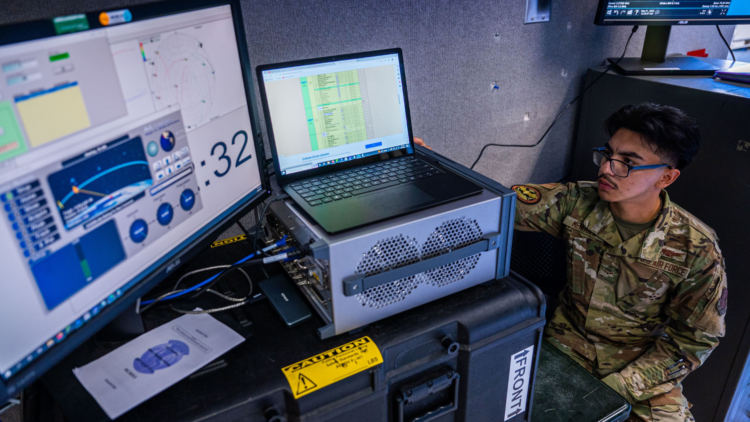
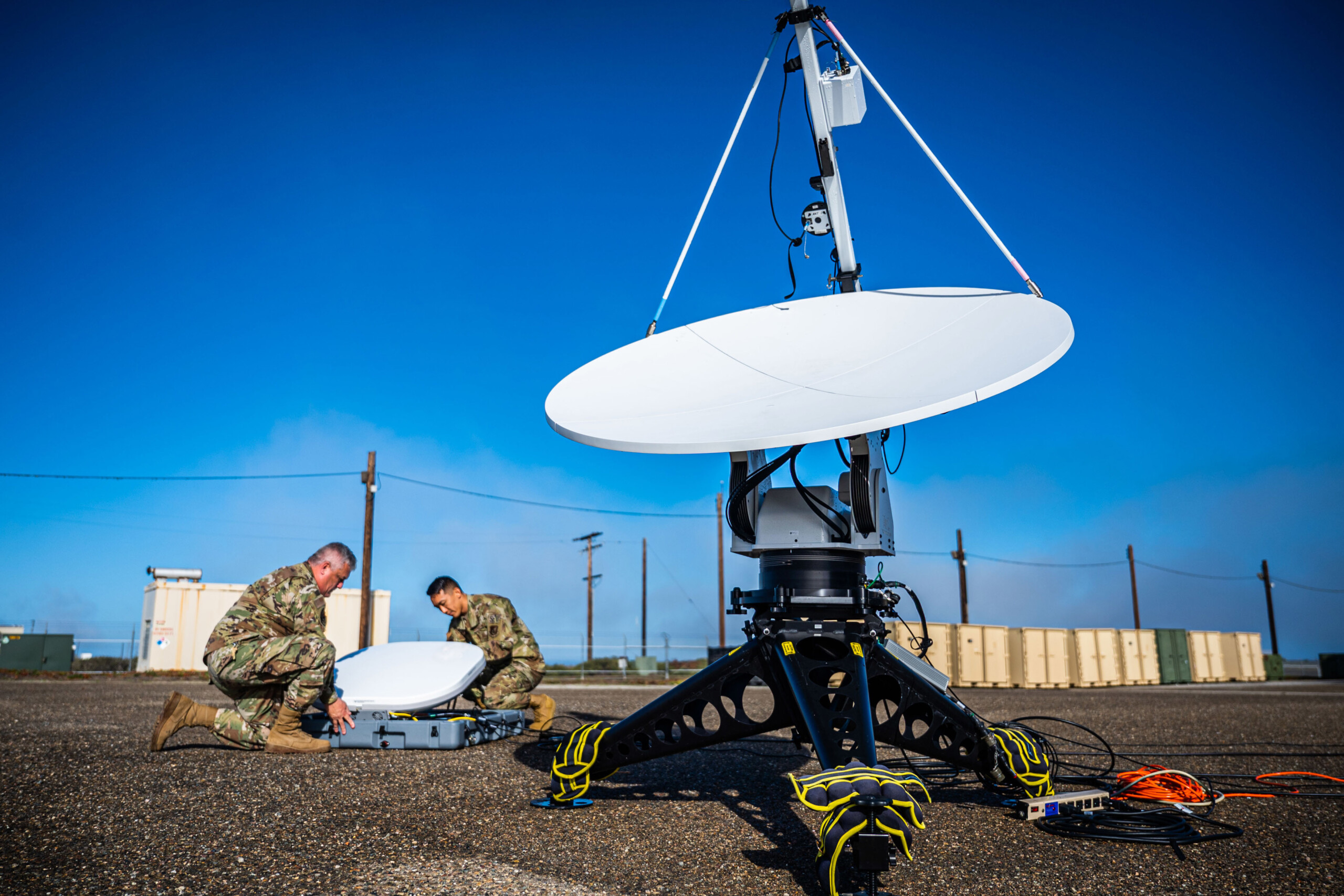
Patschke further elaborated on the pivotal role of the Electronic Warfare Threat Simulation Solution, expressing confidence that it will fortify the US Air Force’s operational readiness by providing a robust platform to simulate and analyze sophisticated electronic warfare signals.
Notably, the system offers scalability and upgradability, aligning seamlessly with the evolving needs of the Air Force.
Understanding Electronic Warfare: A Quick History Recap and Its Modern Relevance
Historical Evolution of Electronic Warfare
Electronic Warfare, or EW, traces its roots back to World War II as a critical component of military operations.
Initially focused on intercepting and manipulating enemy communications, EW quickly evolved to encompass a broad spectrum of capabilities aimed at gaining control over the electromagnetic spectrum.
During the Cold War, EW took on increased significance as rival nations sought technological supremacy.
The rapid development of radar and communications technologies led to the inception of more sophisticated EW systems, including jamming enemy radars and intercepting communications for intelligence purposes.
Modern Electronic Warfare and Its Role
In the contemporary landscape, EW has expanded exponentially, becoming a cornerstone of military strategy across the globe. It encompasses a diverse array of capabilities, including Electronic Support (ES), Electronic Attack (EA), and Electronic Protection (EP).
Electronic Support (ES) involves collecting, analyzing, and processing electronic signals to provide situational awareness and intelligence. This facet enables military forces to understand and exploit the electronic environment, identifying potential threats and opportunities.
Electronic Attack (EA) encompasses actions taken to disrupt, deceive, or deny the adversary’s use of the electromagnetic spectrum. These actions can range from jamming enemy communications to launching cyber attacks on critical systems, thereby impeding the adversary’s ability to operate effectively.
Electronic Protection (EP) aims to safeguard friendly systems against the effects of electronic warfare. This involves implementing measures to shield communication channels, radar systems, and other electronic devices from interference or disruption caused by hostile actions.
Relevance in Contemporary Warfare
In the modern era, where technological advancements have led to an increased reliance on interconnected systems, Electronic Warfare has emerged as a crucial force multiplier.
It is pivotal in enhancing military capabilities, ensuring operational superiority, and protecting critical infrastructure.
As nations strive to safeguard their interests, EW technologies have become integral to both offensive and defensive strategies.
The ability to dominate the electromagnetic spectrum has immense implications, influencing the outcome of conflicts and shaping the geopolitical landscape.
The provision of sophisticated Electronic Warfare Threat Simulators by Keysight Technologies to the US Air Force exemplifies the continued importance of EW in contemporary military operations.
These simulators not only aid in preparing warfighters for complex electronic warfare scenarios but also signify the ongoing evolution of technology to counter emerging threats.
In summary, Keysight Technologies’ triumph in securing this groundbreaking contract signifies a leap forward in electronic warfare simulation technology.
With the imminent deployment of the Electronic Warfare Threat Simulators, the US Air Force is poised to enhance its operational readiness and resilience in confronting multifaceted challenges in electronic warfare, thereby ensuring national security and safeguarding warfighters on the frontline.
—
Check out:










COMMENTS