

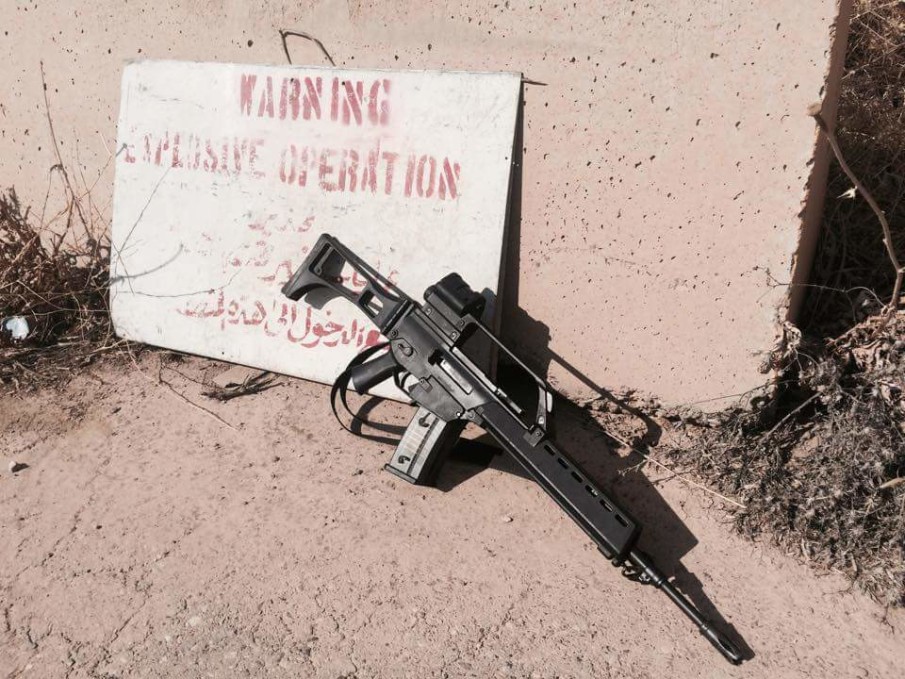
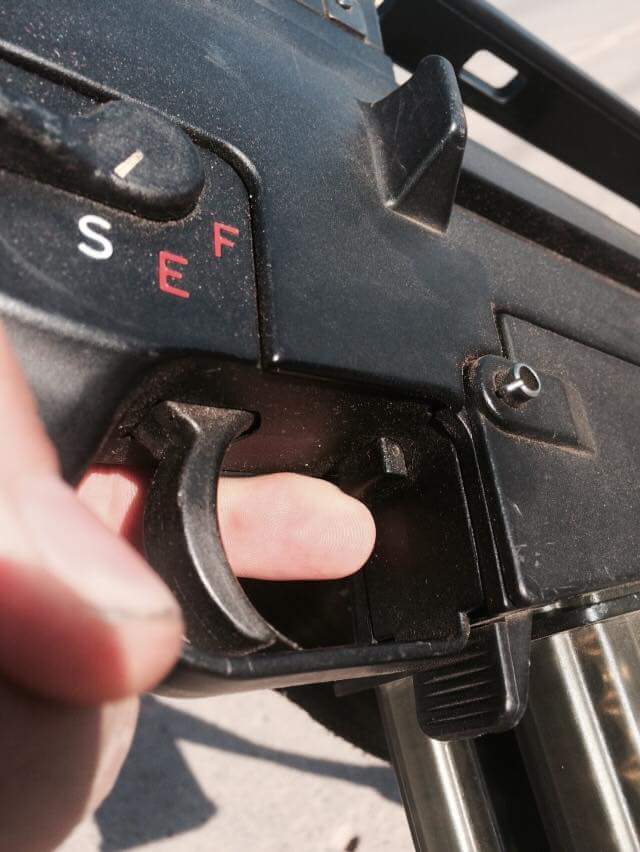
The barrel, while not quite as slim as the oh so popular “pencil” barrel profile we see on many modern sporter AR15s now, or on the original M16A1, is slightly slimmer than that of the M16A4. It’s a free-floating design, made of 4150 cold hammer-forged steel, and has a six-groove 1:7 twist rate, making it ideal for hard use with the M855 NATO 5.56mm bullet. It’s tipped with 1/2×28 threading and ratcheting-style flash hider. One MOA groups are relatively easy to attain when maintaining proper shooting fundamentals at the 100-meter range. Despite German complaints over accuracy deficiency, any weapon having been through a cyclic 400 rounds is going to throw a loose group.
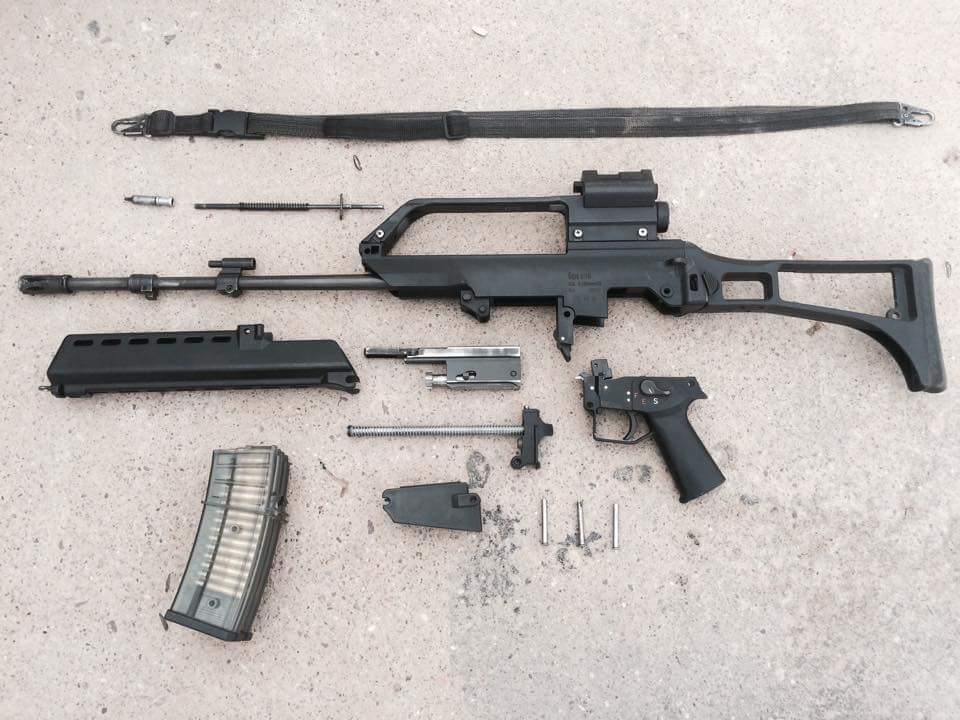
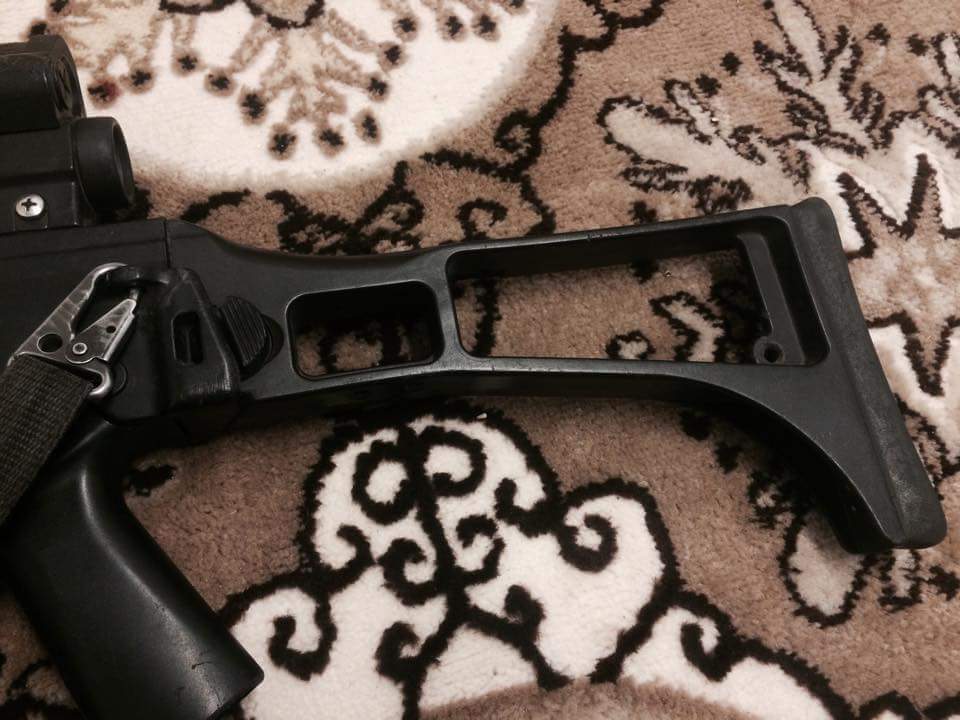
Field stripping is a breeze with a small amount of practice, and little to no cleaning is required, given the G36 is a short-stroke gas piston-driven weapon. Everything comes apart through the removal of three takedown pins, which can be handily retained in the buttstock as you go, making them harder to misplace. That would be bad. Components are robust and even on the old German Army-issue rifle I have now, show few signs of wear.
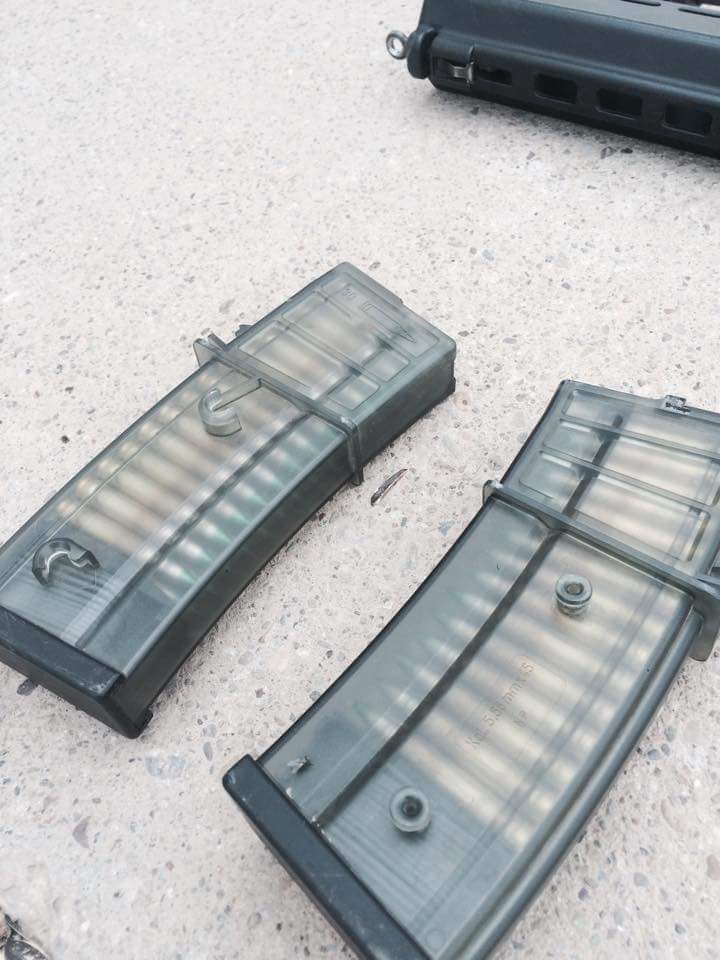
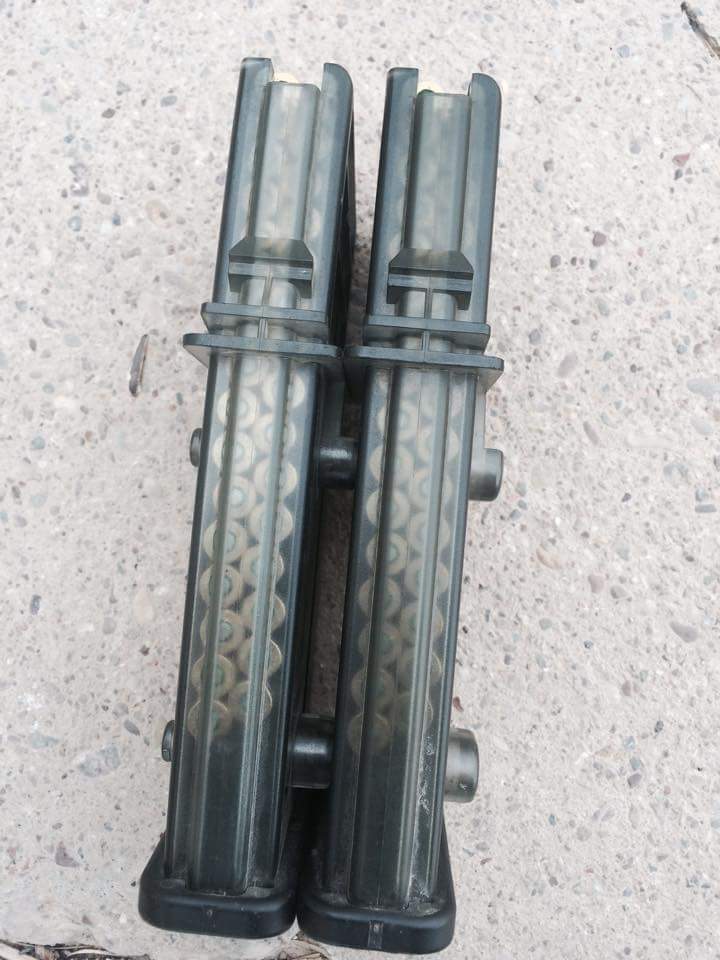
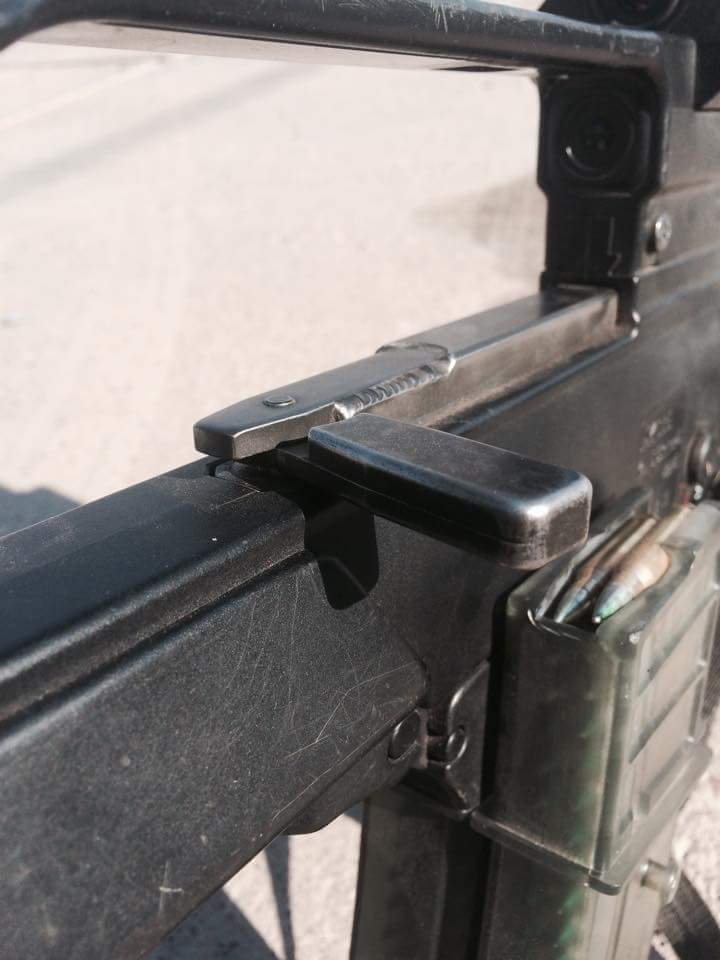
The magazine well can be configured with the pop of a pin and the necessary parts to use NATO GI mags. This is a worthwhile combination, but not easy to do here. With its standard setup, a Kalashnikov-style magazine release is the name of the game. The magazines themselves, although they drop free, leave a good deal to be desired. The anti-tilt followers ensure reliable cycling of the bolt, but the box is fat—making it difficult to find pouches that are suitable for carrying the mags.
The material is a cheap, clear polymer that feels brittle and apparently is, since I’ve seen more than one shattered after a fight. Thankfully none of mine. Being proprietary, they are extremely hard to come by in Kurdistan and even more expensive. A positive feature is the integral mag coupler system, which makes consolidation simple and speed reloads faster.
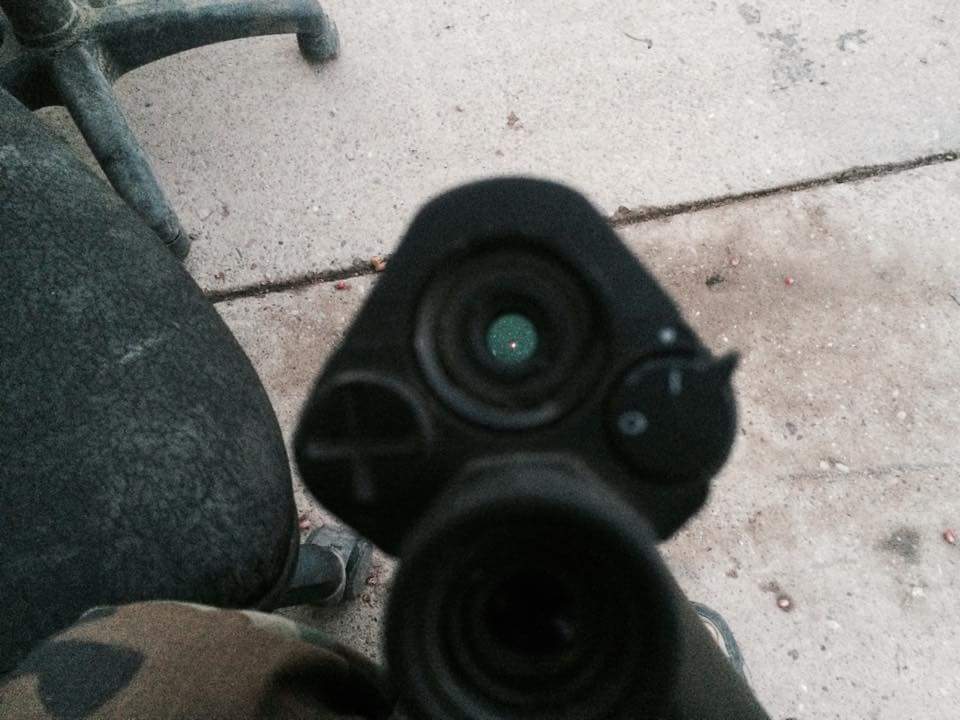
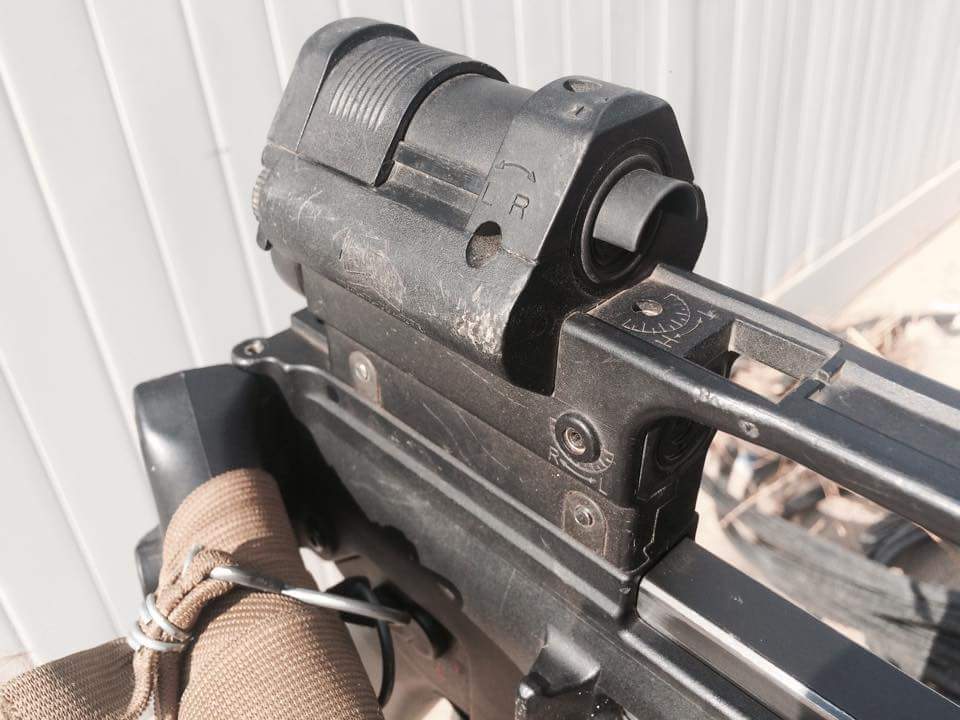
The bread and butter of this rifle is its dual optic system on a removable carry handle. Despite its bulkiness overall, a two MOA red dot on top of a 4x BDC-style reticle makes for a nasty combination when changing environments on a battlefield. The red dot itself is powered by a fiber optic sliding window on top of the optic itself, or with the flip of a switch, a AA lithium battery for use at night and in dim environments.
The ACOG-style scope has a stadiometric chart in the bottom left corner similar to the SVD, and a simple crosshair-type BDC that has markers for 200, 400, 600, and 800 meters (rolls eyes). While this is a handy tool, there is no way this rifle can hit a man at 800m. I don’t care what H&K claims. Okay, maybe with a little luck, but not in this war.
My chief complaints with the optic are the mechanics and methods behind zeroing it. To achieve a proper zero requires turning an Allen wrench along increments etched into the side of the optic. On top of this, there are no audible clicks—just a smooth twisting sensation. While this does not make zeroing the weapon impossible, it does create a hassle and it may take a few groups to get a satisfactory zero depending on the user.
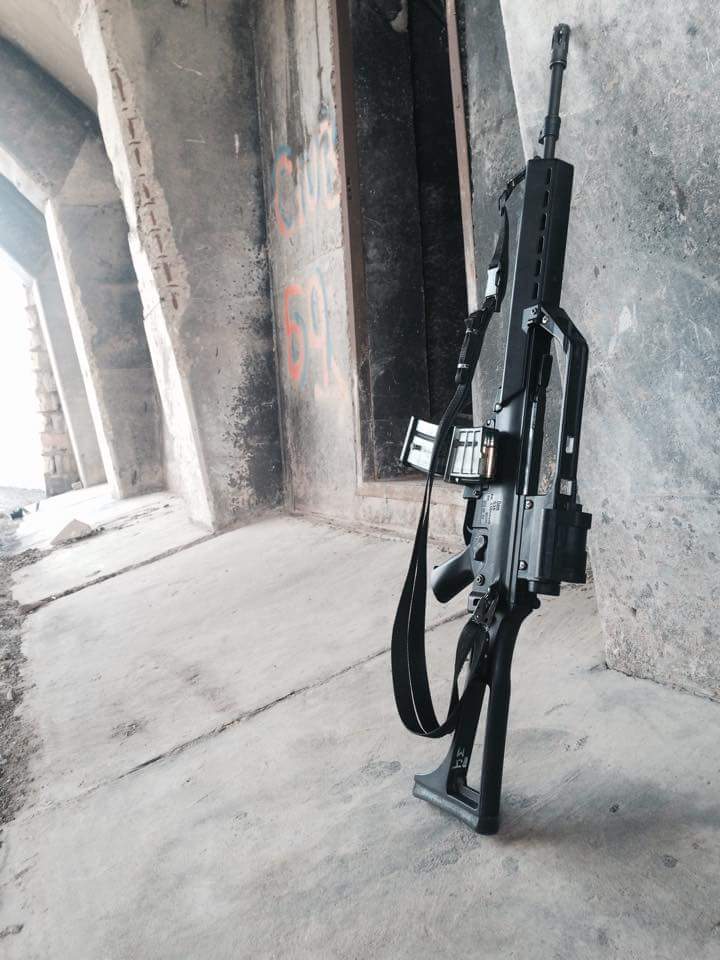
Overall, the rifle is an exceptional piece of engineering by the Germans. I have had no issues with overheating or degradation in accuracy after sustained use. It performs cleanly and reliably even after being caked in moon dust or getting banged around a little in a Humvee or truck. Zero is maintained exceptionally well, to the point where we shoot cigarette boxes at 100m regularly. I don’t really have many complaints or bad things to say about the G36. It works exceptionally well for its role here with the Peshmerga. As far as I’m concerned, the Germans can keep sending their de-issued ones here, because the Kurds need all the logistical support they can get.
Kurt is a four-year Marine Corps veteran who served in multiple billets to include positions in training, logistics, and command operations center roles. He is currently serving as a military advisor and volunteer soldier with Kurdish Peshmerga forces. When not taking the fight to the Islamic State, he enjoys drinking chai and chain smoking with Kurdish friends alongside other volunteers.








COMMENTS