

In Russia, beneath the frost and the furs, a warmth burns bright, often stoked by the nation’s beloved vodka.
Vodka in Russia is not just another spirit; it’s an institution, a testament to their resilience and endurance. This clear, potent liquid serves as a welcome toast and a bitter farewell. It’s an integral part of celebrations, gatherings, and even the solace of solitude.
But you don’t mess around when you drink vodka in Russia. It’s traditionally consumed neat, with no mixers or ice, and usually in one shot. It’s a hard-hitting, uncompromising spirit for hard-hitting, obstinate people.
Then, there are the toasts. They are an art form in themselves. To Russians, a toast is more than a casual preamble to a drink. It’s a heartfelt narrative, a story spun with eloquence and emotion, often as potent as the vodka itself.
There’s a toast for love, loss, joy, sorrow, and everything in between. There’s a saying in Russia: “The first toast is for health, then anything goes.”
And let’s not forget about the zakuski – the array of appetizers accompanying the drinks. These range from pickles and smoked fish to caviar and hearty bread, designed to stave off the vodka’s immediate impact and allow you to drink, toast, and feast for hours.
The Philippines: Communal Inebriation
The Filipino drinking culture is intrinsically social. The drink of choice? Well, that’s often a local gin called Ginebra San Miguel or a native coconut liquor named lambanog. But let’s not forget their beer – San Miguel being the frontrunner.
But drinking in the Philippines isn’t just about what’s in the glass. It’s about the communal spirit, the sense of togetherness. They have this tradition called “tagayan”, where everyone shares a single glass.
One person becomes the “tanggero,” or the pourer, filling the glass and passing it around. And when it’s your turn, you’re expected to empty that glass in one go.
It’s common to see these drinking sessions paired with “pulutan” – food specifically intended to be eaten while drinking, much like Spanish tapas or the Russian zakuski.
Think grilled pork, chicken intestines, salted eggs, and other savory, fatty delights. It’s about balancing the buzz, ensuring that the night is a marathon, not a sprint.
And the toasts? They’re less about grand speeches and more about simple expressions. You’ll hear “tagay!” – a cheer that translates to “a shot.” It’s an invitation, a celebration, a shared moment that binds the group together.
Colombia: A Fiery and Sweet Experience
When we talk about Colombian drinking culture, one name immediately comes up: Aguardiente. It means “fiery water,” and it lives up to its name. Derived from sugarcane, Aguardiente has a distinct sweet anise flavor. It hits you hard but leaves you with a sweet goodbye.
Drinking Aguardiente isn’t just about getting a buzz on, though. It’s a ritual—a celebration. You take a shot, and you pass the bottle. You laugh, you dance, you sing. It’s like every sip is a toast to life.
But it’s not just Aguardiente. Colombians love their beer. You walk into any bar in Bogotá or Medellín and see everyone sipping a cold one, usually a Poker or an Aguila, maybe a Club Colombia.
Beer isn’t just about quenching your thirst. It’s about camaraderie, friendship. It’s about that sweet spot where the day ends and the night begins.
And then there’s this other drink, Chicha. It’s an old-school, traditional drink made from fermented maize. Not as popular these days, but it’s a nod to the history of the place. It’s like a taste of the past.
Cheers to the World’s Diverse Drinking Cultures
It’s not just about the booze. It’s about the stories, the people, the laughs, and the tears. It’s about what happens when you raise a glass, make a toast, and share a moment.
Each country, and each culture, they’ve got their way of doing things. It’s about more than just getting a buzz on. It’s a peek into their lives, their world.
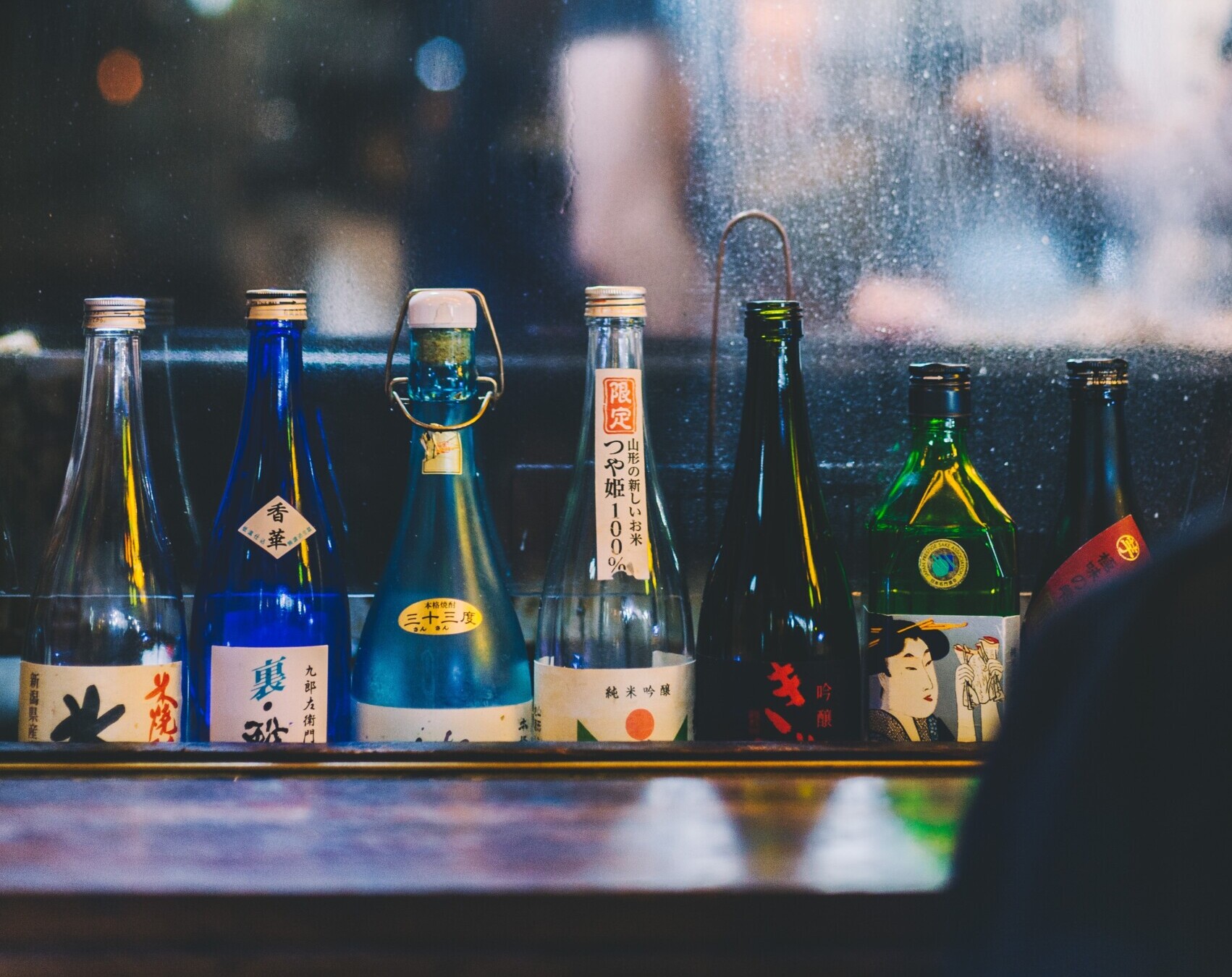
Remember, each sip isn’t just a drink. It’s a journey. It’s a story. It’s a piece of the world in a glass. So here’s to the world and its drinking cultures. May our glasses never empty, and our thirst for new experiences never be quenched








COMMENTS