

Gideon Pillow
The Confederates, while holding a disadvantaged position, have an undeniable cluster of competent and outstanding commanders—but Gideon Pillow was one of the few who single-handedly distinguished themselves as inept and vain as they were cowardly. His ineptitude led some of his men to death and handed decisive victories to his adversaries, among which was famed Union General Ulysses S. Grant.
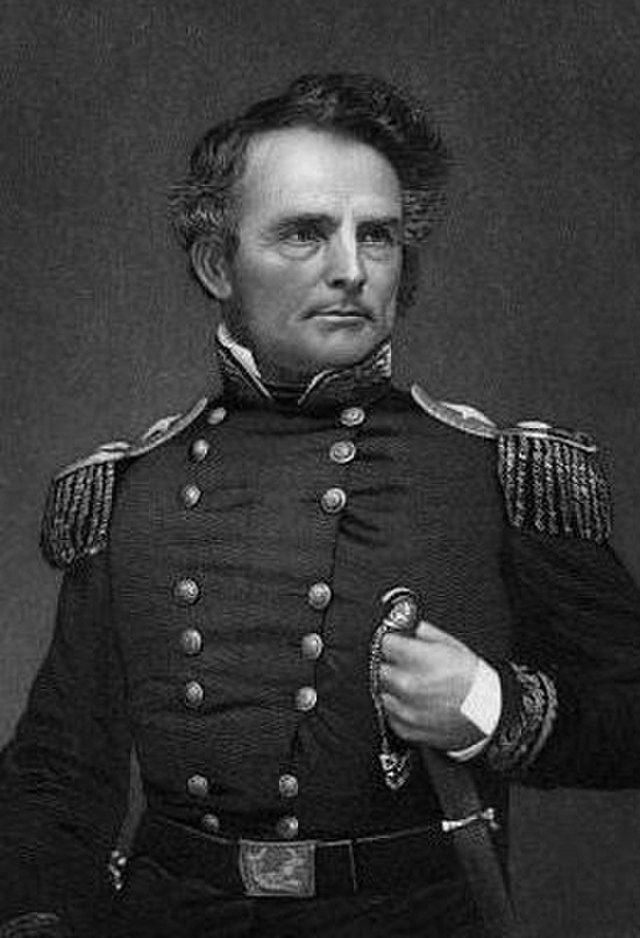
The Confederate loss wasn’t the first idiocy Pillow made as he had previously demonstrated his ineptitude during the Mexican-American War, where he became a laughingstock for bungling his missions. If you think this would embarrass the heck out of the foolish commander, no. Instead, he’d go around town to advertise himself as a victor blabbering fanciful accounts of his conquests which earned scoffs from his fellow commanders who knew his incompetence. His friendship with President James K. Polk may have boosted his ego—that, or he may have hit his head as a child—Pillow had an incredibly inflated ego. He even got away from stealing a Mexican cannon which he plans to display as a trophy in his home because Polk intervened during Pillow’s court-martial.
Going back, Grant made his Civil War debut during the Battle of Belmont, facing Pillow at the strategically important Fort Donelson situated on the Mississippi river that, if destroyed, would open up the deep south for the Union forces to infiltrate. The Union General gradually surrounded the fort, and as the Confederates troops scrambled to maintain its stronghold, they eventually had to retreat.
Meanwhile, Pillow had become blinded by his own delusions, believing that he could press on, and ordered his men to continue manning their fortifications despite the disadvantage. This would, of course, lead to the successful infiltration of Grant into the Confederate’s fort as they annihilated Pillow’s forces, forcing the latter to spineless escape. At the same time, his fellow General Simon B. Buckner and 15,000 Confederate troops surrendered. Pillow’s foolishness handed the Mississippi over to the Union and guaranteed them access to the very heart of the Confederacy—effectively ending the latter’s resistance in the west.
George McClellan
Despite having the clear advantage of victory, the Union Army had its fair share of terrible generals, among which is George McClellan, which most armchair historians describe as “a general who looks great on paper.”
Early on, McClellan had discovered his strength in logistics. He foresaw the importance of having a well-coordinated operation between people, facilities, and supplies in the modern army. During his time as the chief of engineering for the Illinois Central Railroad, he acknowledged the pivotal role rail transportation would play and soon proved this when he oversaw the flow of logistics in the army. Through his superb organizational skills, McClellan kept his men well-supplied, efficiently run, and with high morale. He was an impeccable organizer BUT a terrible commander.
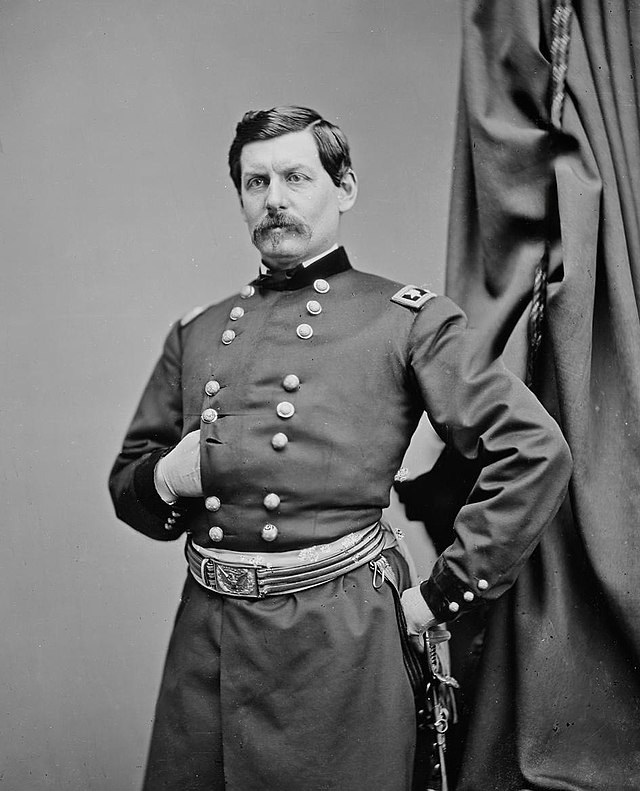
As excellent as McClellan was at keeping supplies flowing, he needed to be more adept on the battlefield. He frequently overestimated them and, if not, refused to face them entirely as he was so timid about combat and was terrified of the Confederates. He declined to take offensive operations, believing in his mind that the opposing side had a more massive number of soldiers than the Union. His forces would become no match and outnumber the Confederates when the latter struggled to gather their men. This fear would consume McClellan and become a ball chain in his feet—tied down and never seizing the initiative to charge that could have won Union decisive battles and could have ended the Civil war years earlier.
McClellan’s timidness would eventually become his greatest weakness, a secret ending in Confederate General Robert E. Lee’s hands. Unlike the Union General, Lee daringly exploited his weakness and used it to his advantage by plotting bold offensives that heavily relied on McClellan, consequently affecting morale due to consecutive defeats. What could have ended sooner dragged on for years unnecessarily, securing McClellan a spot amongst the worst military leaders in history: a suitable man for the wrong job.
John M. Chivington
As tensions increased between Native American tribes and settlers across the Colorado Territory in 1863, a Methodist pastor turned colonel rose to the occasion—not as a reasonable man but as a vicious murderer. Quite a strong description, yes. But John Milton Chivington had led an army and massacred unsuspecting Native Americans living at Sand Creek (present-day Colorado), which he and most white settlers believed to be “disposable and dangerous” insurgent forces.
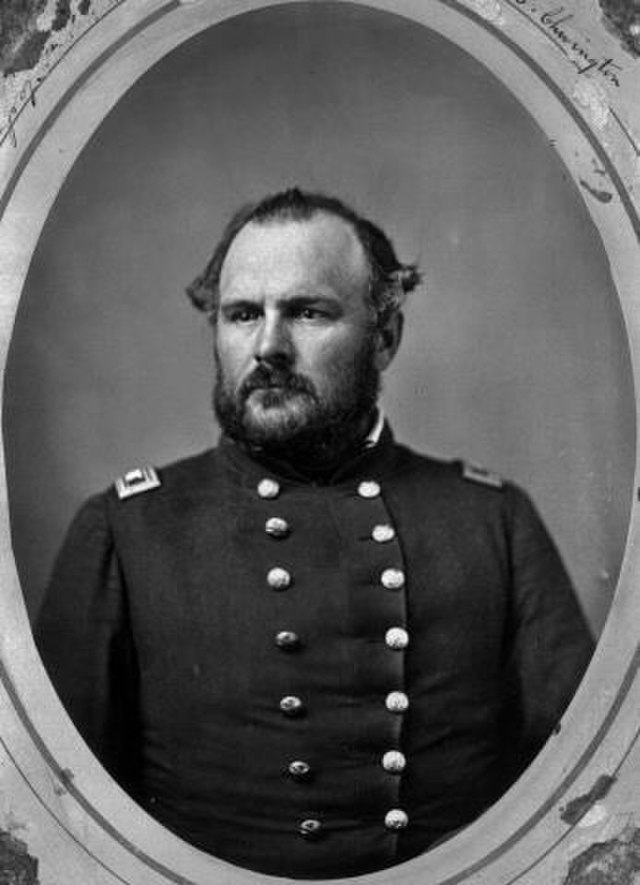
Chivington led his 700 men and rode into the Cheyenne and Arapaho village that fateful morning, and ordered to slaughter of hundreds of surrendering natives that effectively tarnished his military reputation and burned any political chances he had, as well as instigated plunders against tribes throughout the west and “a tense and prologned controversy” across the nation with remnants of that still present today.
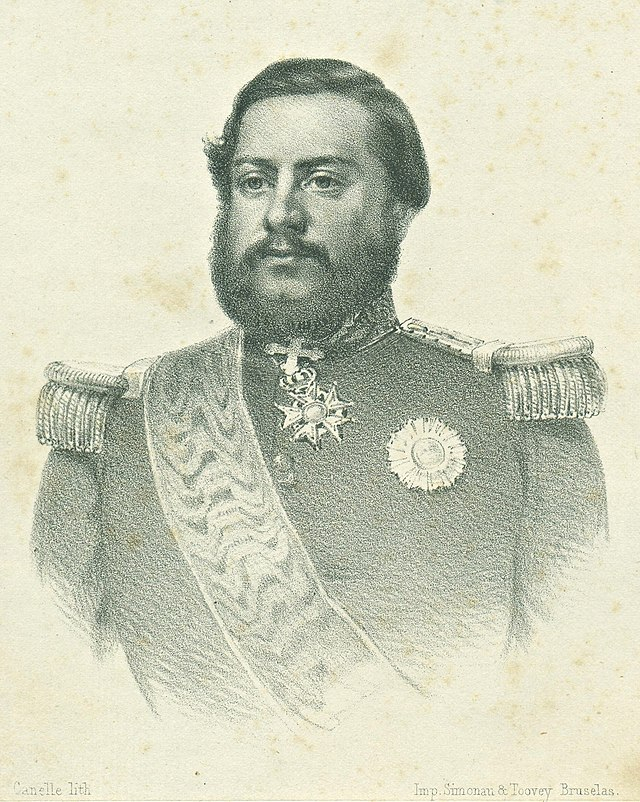
Francisco Solano López
The bumbling son of a Paraguay dictator, Francisco Solano Lopez, had been warned early on by his father, Carlos Antonio Lopez, not to get involved or use military power to settle diplomatic issues when he inherited his administration following his death. But the young Lopez did otherwise. By late 1864, Paraguay found itself at war with Brazil, and when they were denied transit access in Argentina, he declared war against the Argentines. Facing the same enemy, Brasília and Buenos Aires, plus Brazil’s puppet government in Uruguay, allied and declared war against Paraguay in May 1865, basically surrounding Lopez. The triple alliance almost annihilated Paraguay, chopping off more than half of its population, with around 90 percent of its combat men succumbing to their deaths in the process, including Lopez himself, who died in action on March 1870. Guess he did not inherit the military prowess of his father.
Sir Douglas Haig
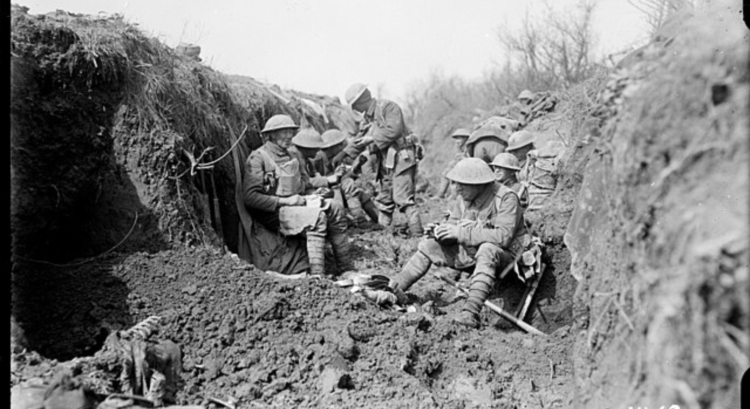
Sir Douglas Haig became a prime example of what a commander is when one refuses to consider technology and its impact on modern warfare.
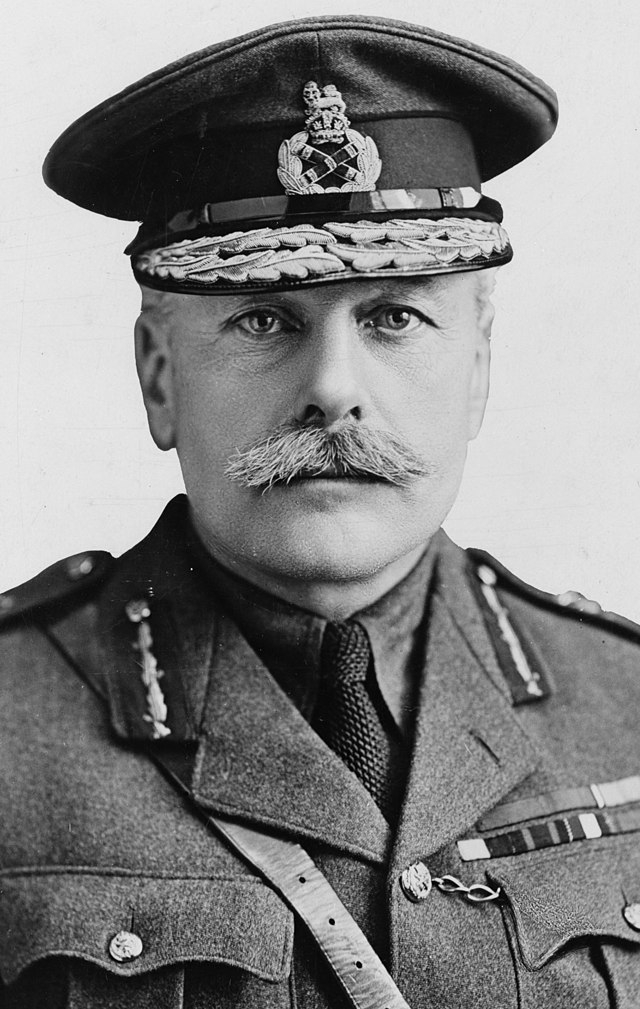
Serving as the Chief of Staff of the British Expeditionary during World War I, Haig wanted to gain the upper hand on the Western Front and, when he saw an opportunity to do so, had immediately ordered his men to cross the treacherous no man’s land. However, he failed to account for the effect of the German machine guns, largely dismissing their power. Haig was convinced that these rapid-spitting firearms would eventually get overwhelmed with the more men he sent.
Despite the warnings he received, the stubborn General shouted his men to go up at the First Battle of Somme and, on the first day alone, had some 6,000 casualties. But this did not stop him, as he dared to believe that the deaths of these men were “perfectly acceptable and expected.” This madness alone caused the British to lose some 420,000 men, which Haig equated to be enough to exhaust the Germans. He thought wrong, though. The pointless slaughter continued at the Battle of Passchendaele, where between July 31 to November 6, 1917, Haig lost another 275,000 troops until nature took pity on the poor men and stopped the neverending attacks when winter came. Stubborn and incredibly in denial, Haig proceeded to discredit the machine gun and firmly denied that the massive casualties were not because of the advanced machine.
Erich Ludendorff
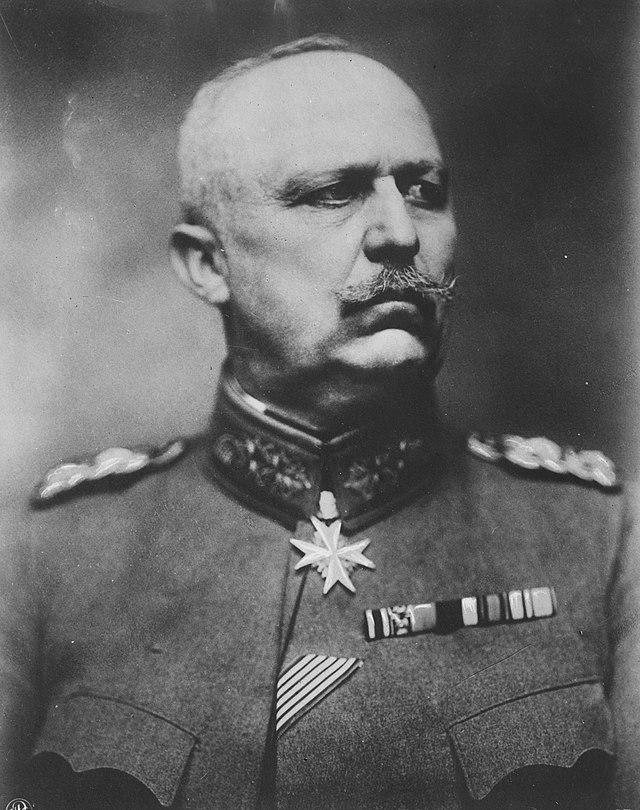
While Haig inexplicably gambled thousands of his soldiers to gain the upper hand during the war, German commander Erich Ludendorff, on the other side of the trenches, found himself facing the aftermath consequences of his flawed judgment.
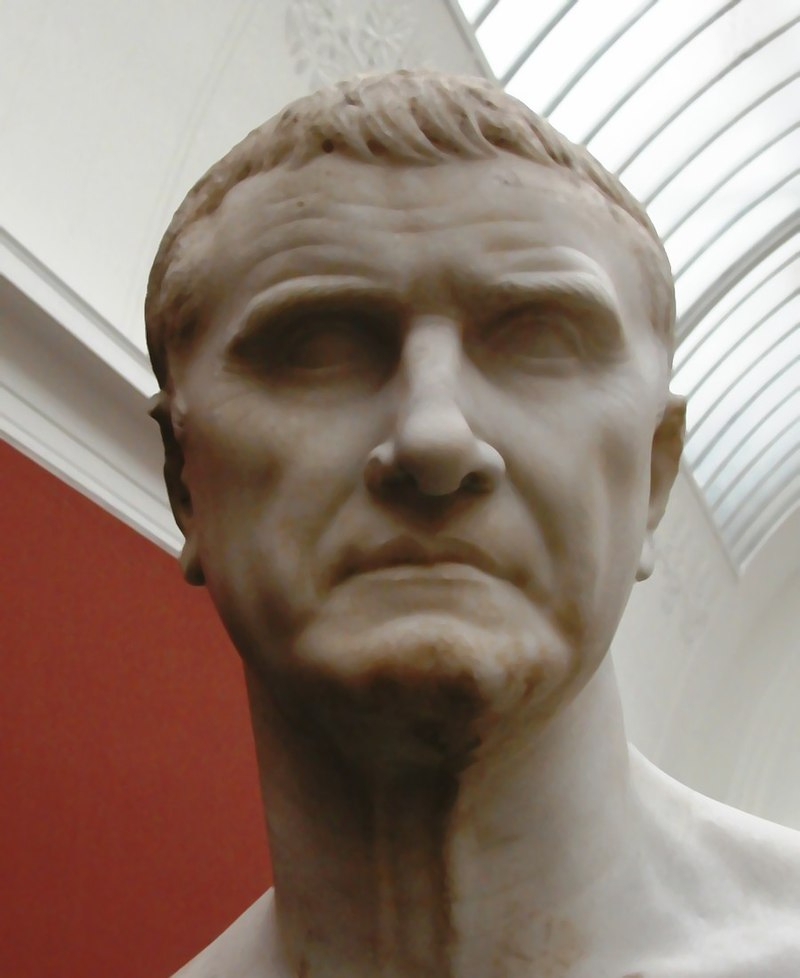
By all accounts, Ludendorff was a superior military leader that led German forces into many decisive campaigns during World War I. Regardless, his fate on the battlefield began dipping when Ludendorff and German General Staff chief Helmuth von Moltke had made last-minute alterations to the Schlieffen Plan, a complete two-front war manifesto published in 1905—in a way weakening the overall battle plan and even catapulted neutral America into war. The participation of the American troops soon proved to be a disaster for the opposing forces.
But again, as mentioned, his notoriety came into a fuller picture at the war’s end when the prideful Ludendorff stubbornly refused to accept that Germany had been militarily defeated. Consumed by his rage and indignation, he went on to start the infamous “stabbed-in-the-back” myth as the reason they lost the first world war, as well as wrote a book about “how humanity exists in a state of perpetual war and why that is a good thing.” Basically, Ludendorff set the grounds for a vengeful Adolf Hitler to cultivate his Nazi party and the precursor of the second world war to come to fruition. Despite disavowing the future dictator later on, Ludendorff was already too late—all because he was a sore loser.
Who do you think is the Worst Of All Time (WOAT)? Is it someone on our list? Is it someone we missed mentioning? Let us know in the comments!









.jpg)


COMMENTS