

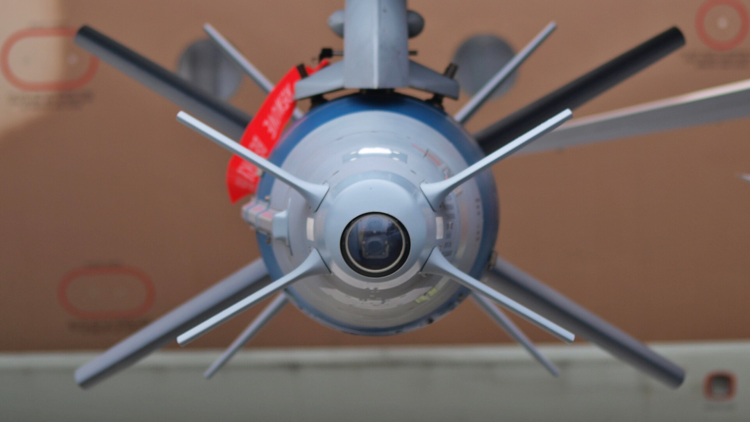
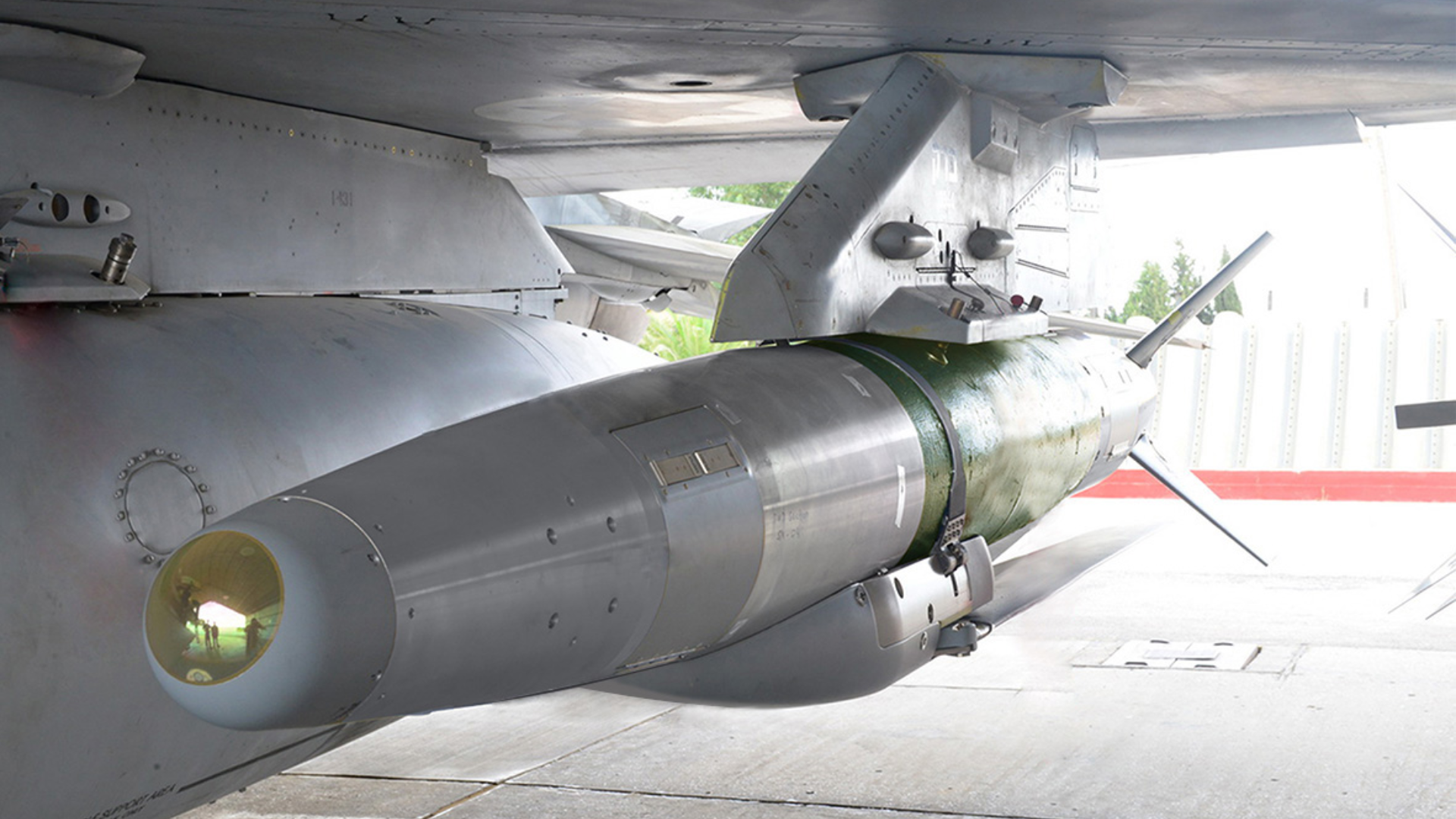
Comparatively, this technology represents an upgrade over the GBU-39/B Small Diameter Bomb (SDB), which the US previously supplied to Israel during the ongoing conflict.
The SDB, weighing 250 pounds and having a range of 40 kilometers (approximately 25 miles), is outperformed by the Spice guidance kits regarding range and target tracking capabilities.
It is no wonder that Israel is eager to acquire this advanced weaponry to ensure the effectiveness of its military operations.
The Broader Conflict
The Israel-Gaza conflict, triggered by a terror attack by Hamas on October 7, has already resulted in significant casualties.
Over 10,900 people have lost their lives, according to official sources in Israel and Gaza, as cited by the United Nations. Tragically, the vast majority of these casualties are civilians, with 9,500 Gazans, including 3,900 children, reportedly killed in the fighting. Be sure to take these figures with a grain of salt as they are provided by the Government of Gaza, which is controlled by the terrorist organization Hamas.
On the Israeli side, 1,400 people have died as a result of the conflict. In addition to the loss of life, a staggering 23,000 individuals have been injured and require immediate medical attention, according to the United Nations.
The humanitarian crisis in the Gaza Strip has intensified as a result of the ongoing conflict, with civilians facing immense hardships.
This dire situation has led to mounting international pressure on both parties to agree to a ceasefire and pursue diplomatic solutions.
The United States, as a key player in the region and a strong ally of Israel, is taking steps to provide military support while also exploring options to facilitate a pause in the fighting.
Diplomatic Efforts
Recent statements from the White House indicate that President Joe Biden and Israeli Prime Minister Benjamin Netanyahu have been discussing the possibility of tactical pauses in the conflict.
These pauses aim to allow civilians to safely leave areas affected by the fighting.
The calls for a ceasefire have grown louder, with various nations and international organizations advocating to end the violence and initiate peace talks.
Despite the mounting pressure, Israeli Prime Minister Netanyahu has been firm in his stance, rejecting calls for a ceasefire as recently as Sunday.
He emphasized that Israel would not agree to a ceasefire until all Israeli hostages held by Hamas are safely returned.
The situation remains complex, with multiple factors influencing the path toward peace, including regional dynamics and the involvement of Hamas’s ally, Iran.
The Role of the United States
The United States has maintained a long-standing commitment to supporting Israel, providing billions in military aid for decades.
The US has continued its support throughout the current conflict, although the exact extent of military supplies and aid provided remains undisclosed.
Washington also took other measures to bolster the region’s stability and its ally’s security, including the deployment of two carrier strike groups and an additional 300 US troops to the area. Furthermore, 2,000 troops stand prepared for deployment if the situation requires.
In the broader context, the weapons transfer comes as the US Congress is working on passing an aid package for Israel.
However, there is disagreement between the House and Senate over whether aid for Israel can be linked to aid for Ukraine, indicating the complexities of diplomatic negotiations and foreign policy decisions in this challenging environment.
~
The US’s decision to transfer Rafael munition guidance kits worth $320 million to Israel underscores the close relationship between the two nations and Washington’s commitment to supporting its ally during the ongoing conflict with Hamas in Gaza.
The precision munitions provided by these kits will significantly enhance Israel’s military capabilities, allowing for more precise and effective strikes against targets.
While the conflict continues to claim lives and create a humanitarian crisis, diplomatic efforts are ongoing to bring about a ceasefire and facilitate the return of Israeli hostages, underscoring the complex dynamics at play in the region.
America’s role in providing military aid and support remains critical to the ongoing conflict’s broader context.
—
Check out:










COMMENTS