

A Collaborative Effort: Driving Innovation in Defense
This successful test is a testament to the collaborative efforts of Dstl, the Defence Equipment and Support (DE&S) procurement agency, and leading British defense companies like Raytheon UK.
The project represents a significant milestone in the UK’s commitment to staying at the forefront of defense innovation.
“This high-powered firing is a significant step towards ensuring the UK Armed Forces can exploit this potentially game-changing capability at pace so they have the edge against both current and future threats,” said Matt Cork, Dstl Programme Lead, in a statement. “This technology offers a precise, powerful, and cost-effective means to defeat aerial threats, ensuring greater protection for our forces.”
Beyond the immediate success of the test, the future looks even brighter. Later this year, the British Army will conduct additional trials to better understand the system’s capabilities in realistic combat scenarios.
This testing phase will explore the weapon’s effectiveness against various drone types, range limitations in different environments, and its integration into existing military tactics.
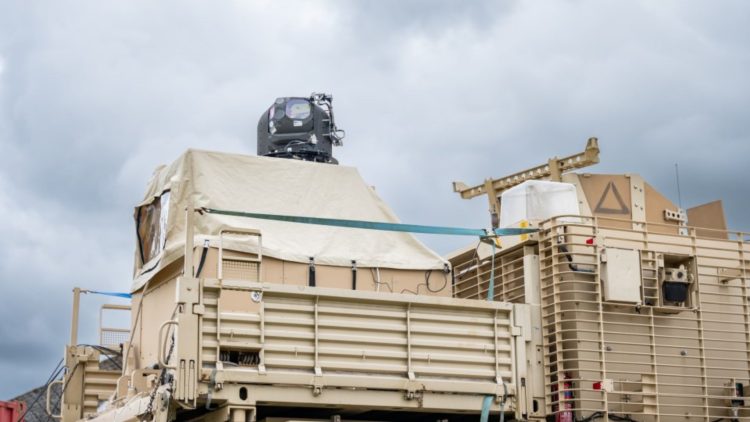
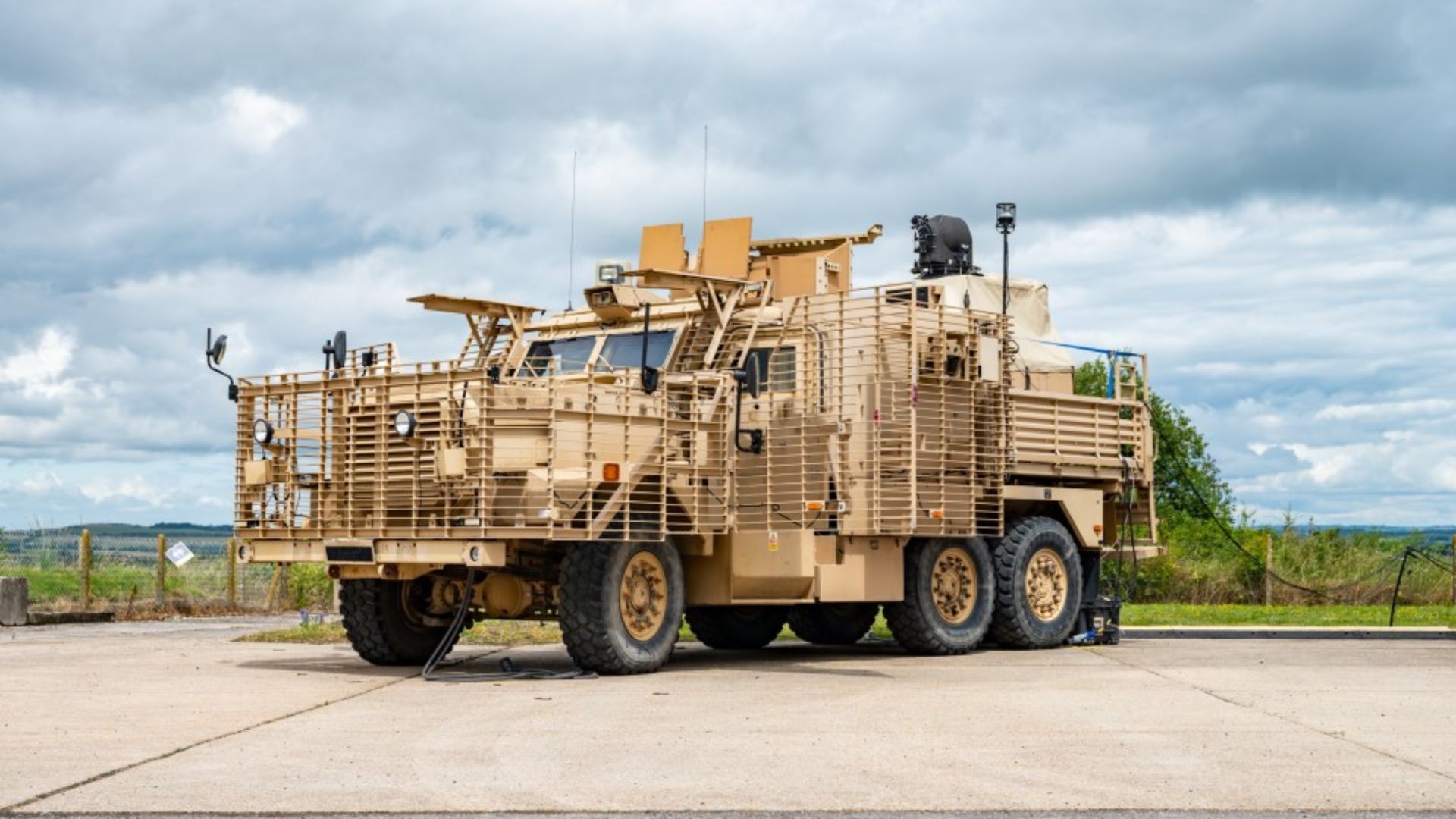
“Dstl has proven that the Raytheon high energy laser weapon system can track, engage and defeat targets whilst mounted on a vehicle,” said James Gray, chief executive and managing director of Raytheon UK. “We now look forward to the British Army experimenting with the weapon over the coming months and proving that the technology is battlefield ready.”
This isn’t the first rodeo for laser weapon systems.
Raytheon’s HELWS is already combat-proven with US forces, racking up over 40,000 testing hours and eliminating over 400 targets.
The UK trials will concentrate on familiarizing British soldiers with the system and identifying areas for further development to best meet their specific requirements. This bodes well for the future of laser weapons in its defense strategy.
Potential Impact and Future Considerations
The potential impact of laser weaponry on modern warfare is vast.
Experts believe this technology could fundamentally alter battlefield dynamics.
Imagine a future where soldiers can engage and neutralize aerial threats with a precise beam of light, minimizing collateral damage and civilian casualties.
This level of control and efficiency could revolutionize military operations, saving lives and safeguarding strategic assets.
However, challenges remain before widespread deployment.
Laser technology is still under development, and factors like atmospheric conditions and power limitations need further consideration.
Additionally, ethical concerns surrounding the use of directed energy weapons need to be addressed.
International cooperation and responsible development will be crucial in ensuring this technology is used effectively and ethically.
Signs of Things to Come
The successful firing of the laser weapon by the British Army is a clear indicator of the direction in which modern warfare is headed. This groundbreaking achievement signifies the UK’s commitment to cutting-edge defense technology.
Laser weapons have the potential to be a game changer as technology advances and operational challenges are addressed, providing a powerful and precise tool for protecting troops and deterring future threats.
—
Disclaimer: SOFREP utilizes AI for image generation and article research. Occasionally, it’s like handing a chimpanzee the keys to your liquor cabinet. It’s not always perfect and if a mistake is made, we own up to it full stop. In a world where information comes at us in tidal waves, it is an important tool that helps us sift through the brass for live rounds.








COMMENTS