
Squad-level counter-drone capabilities should include:
- Passive Detection: Systems that can identify drones using sound (acoustic) or radio signals (RF). These sensors should be wearable without hindering the soldier’s primary duties. Alerts, warnings, or notifications would be relayed through devices like tablets, smartwatches, earpieces, or smart glasses, which receive data from external sensors such as radar or passive detection systems.
- Non-Kinetic Jamming: Equipment that can disrupt drone communications by interfering with RF and GPS signals. Ideally, this jammer would be small enough to attach directly to the soldier’s rifle.
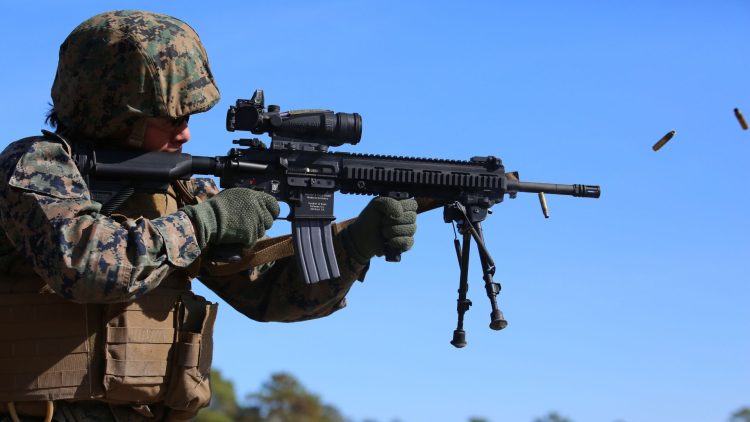
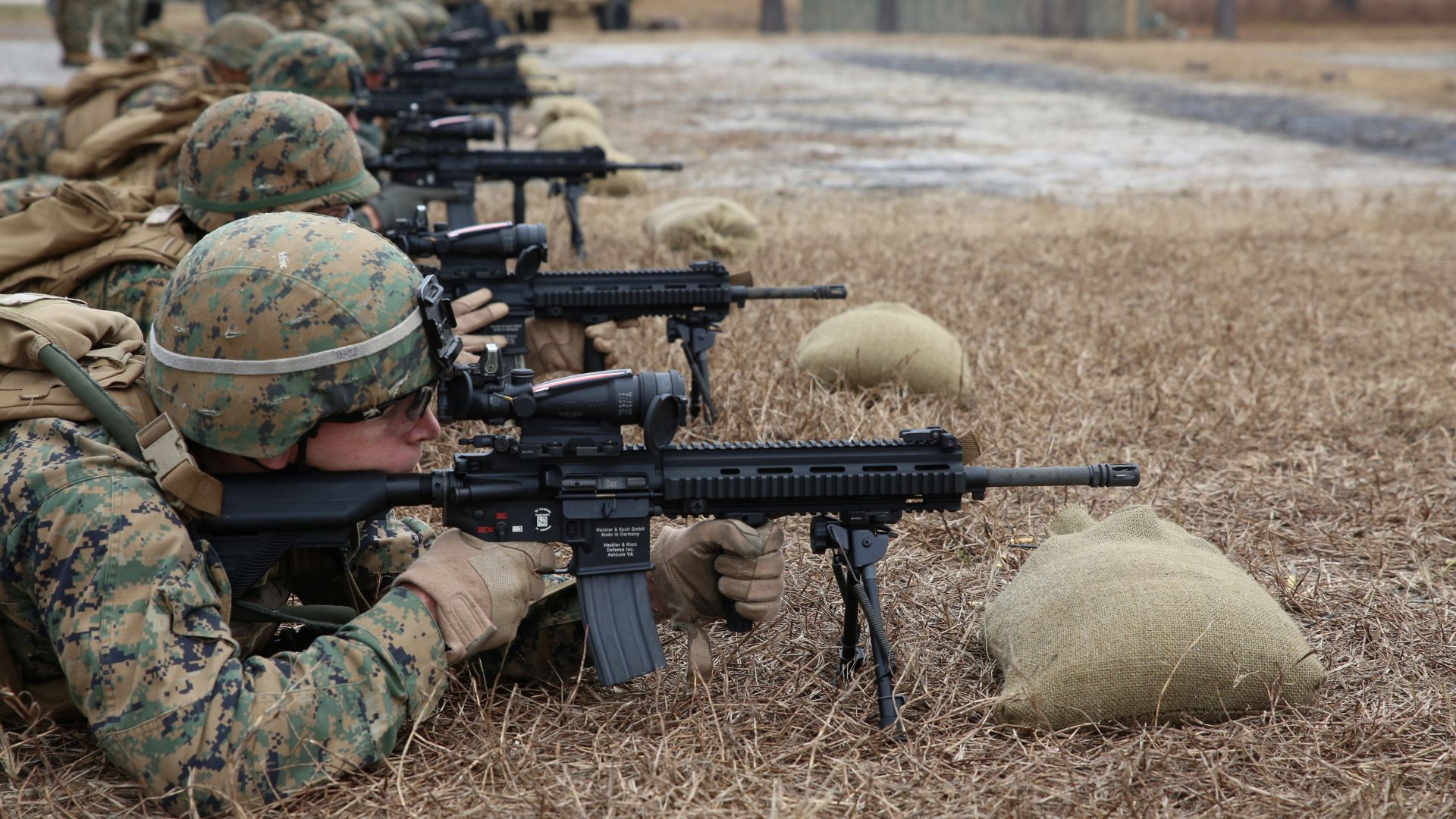
- Kinetic Defeat: Rifles or rifle-mounted optics designed to track and destroy small drones. Specialized ammunition, similar to buckshot but in calibers like 5.56mm, 7.62mm, .50 caliber, or .40 caliber, could be employed for increased effectiveness.
Meanwhile, larger platoon-sized elements could field more sophisticated, omnidirectional jamming equipment and advanced sensors.
Platoon-level solutions may include:
- Passive detection systems: Capable of identifying drones through sound (acoustic) or RF. These systems can be mounted on vehicles, poles, or tripods.
- Alert systems: Soldiers can receive warnings, notifications, or alerts through wearable devices like tablets, smartwatches, earphones, or smart glasses. These devices will connect to external sensors like radar or passive detection systems.
- Jamming technology: Devices that can interfere with a drone’s RF or GPS navigation.
- Weapon enhancements: Modifications to existing rifles or rifle scopes to improve the ability to track and shoot down small drones. This could include specialized ammunition designed for better impact on drones.
In addition to describing their systems’ capabilities, interested manufacturers should include the following characteristics of their proposed system in their white paper.
- Mechanical Design
- Environmental Design
- Interoperability: adhere to relevant industry or military standards to ensure seamless integration with other systems
- Performance: effectiveness in detecting, tracking, and defeating Group 1 and 2 UAS targets
- Logistics: including detailed Reliability, Availability, and Maintainability (RAM) metrics, among many others
- Compliant with all relevant safety standards
- Procurement (cost estimate and production capacity, among many others
- Cybersecurity (capable of NSA-level encryption) and resiliency against cyber threats
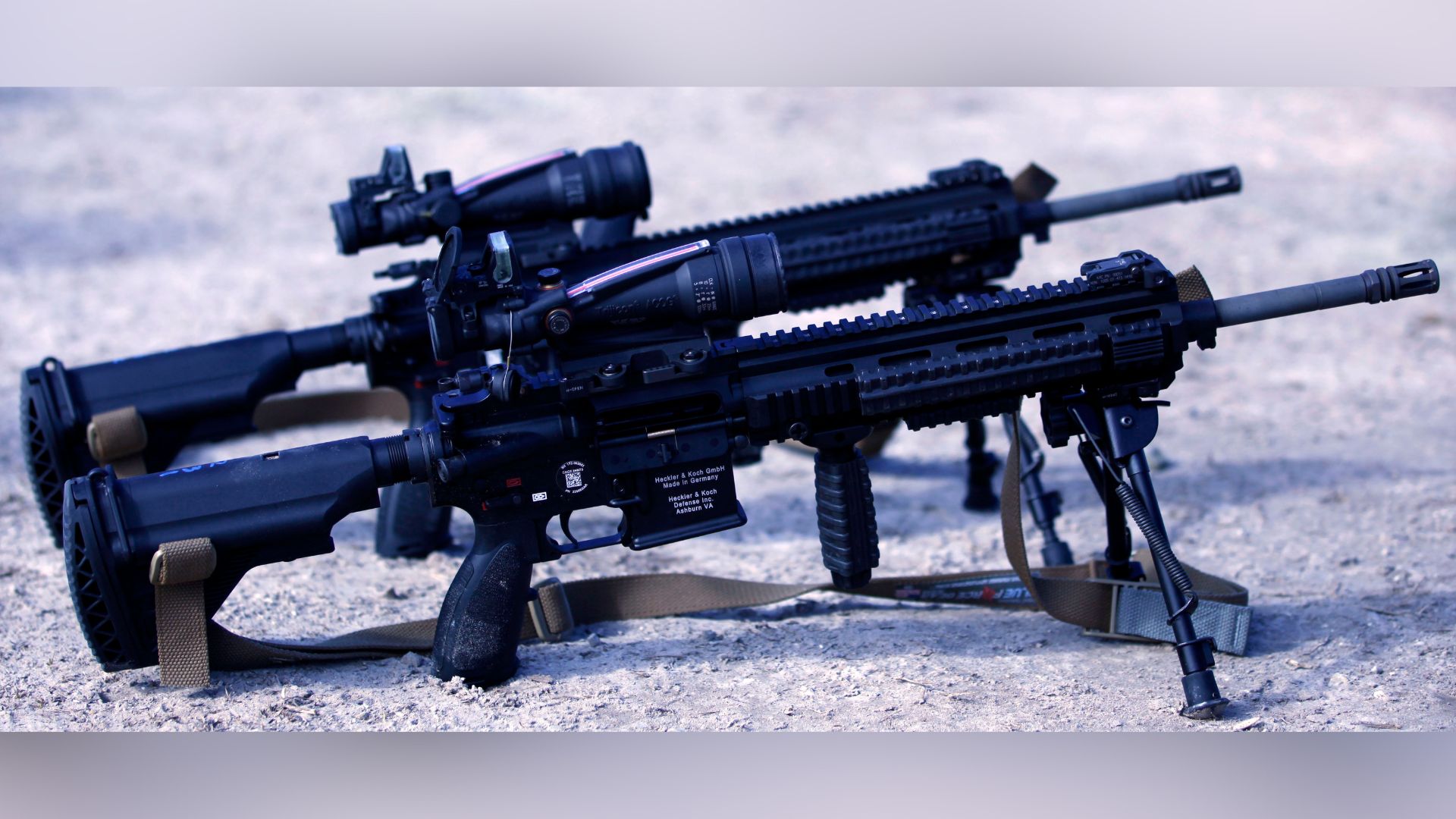
Wrapping Up: By investing in this technology, the Marine Corps aims to provide its troops with a critical edge in the evolving battlespace. With the potential to transform the humble infantry rifle into a drone-hunting platform, this initiative represents a significant step forward in the ongoing fight for technological superiority.
And who knows, one day you may see drone-shot on the shelf of your local sporting goods store.
—
Disclaimer: SOFREP utilizes AI for image generation and article research. Occasionally, it’s like handing a chimpanzee the keys to your liquor cabinet. It’s not always perfect and if a mistake is made, we own up to it full stop. In a world where information comes at us in tidal waves, it is an important tool that helps us sift through the brass for live rounds.








COMMENTS