

#Ukraine: The Ukrainian 66th Brigade destroyed another Russian T-90M tank with an ATGM strike in the vicinity of Makiivka, #Luhansk Oblast. The ammunition on board was hit, resulting in an impressive cookoff. pic.twitter.com/E5vRRVNsef
— 🇺🇦 Ukraine Weapons Tracker (@UAWeapons) October 8, 2023
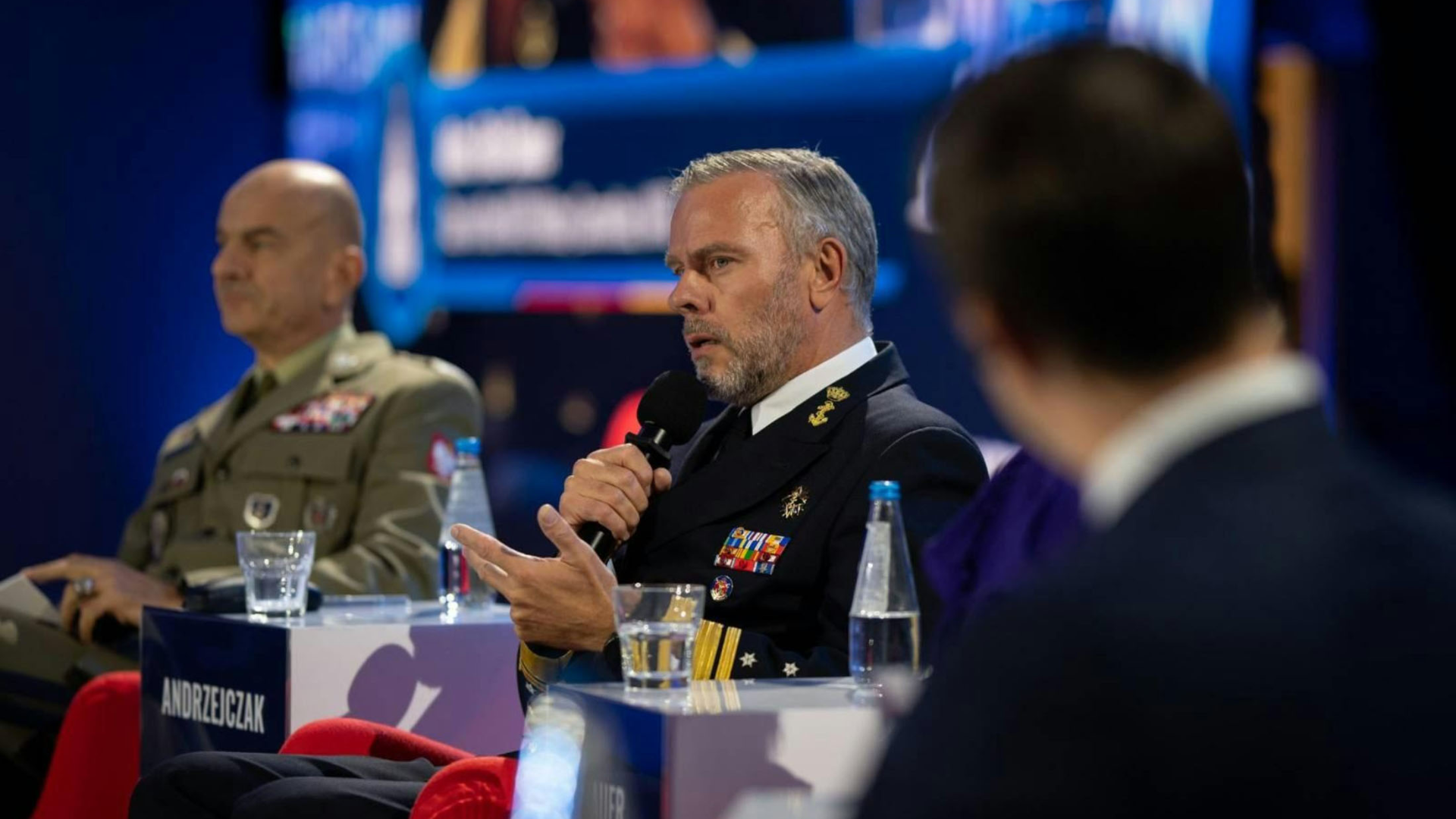
Admiral Bauer called for more significant private investment in the defense sector to augment production capacity, urging pension funds and banks to reconsider labeling defense investments as unethical.
He stressed that long-term stability must outweigh short-term profits, stating, “As we have seen in Ukraine, war is a whole-of-society event.” He further noted that such investments align with the private sector’s strategic interests.
Swift Expansion of Production Capacity
Bauer implored business leaders to expedite the expansion of production capacity, emphasizing that the shortage of ammunition was not directly linked to the slow progress of the counteroffensive in Ukraine.
He explained, “The reason why it takes time is because it is extremely dangerous, because there’s an enormous amount of mines in a very deep minefield – more than 10 kilometers – with five, six mines per square meter.”
Bauer added that despite these challenges, Ukrainian forces were making incremental advances.
#Ukraine: An out of action TRF1 155mm towed howitzer being recovered by the Ukrainian army near Lyman, #Donetsk Oblast.
6 of these howitzers, purchased from a private French company, were delivered in total- this is the first confirmed loss of the type. pic.twitter.com/u5OVYklkGy
— 🇺🇦 Ukraine Weapons Tracker (@UAWeapons) April 21, 2023
NATO Prepares for Largest Collective Defense Drills
In 2024, NATO is set to hold its largest collective defense drills since the end of the Cold War.
Over 40,000 troops from across the alliance will participate in the Steadfast-Defender exercise, spanning Germany, Poland, and the three Baltic states.
Bauer also emphasized the need for stronger cooperative measures in the defense sector to address decades of underinvestment. He called for proactive collaboration between the public and private sectors, stressing the potential for achieving more together.
“NATO is stronger and readier than ever,” he stated, echoing the sentiments of other speakers at the forum who shared NATO’s latest efforts in territorial defense.
In April, Finland joined the organization, bolstering NATO’s capabilities with a formidable military force to better protect its vulnerable eastern flank.
US Arsenal Struggles to Keep Pace
As the conflict in Ukraine intensifies and arms supply runs low, worries are growing over the ability of the United States to provide crucial support to Ukrainian forces.
Analysts and military leaders warn that Ukraine’s war effort could face significant challenges without a substantial increase in the production and delivery of essential munitions.
Thomas Warrick, a nonresident senior fellow at the Atlantic Council, highlighted the delayed production and delivery of vital munitions, which have allowed Russia to reinforce its defenses and hinder Ukrainian advances.
Meanwhile, US Undersecretary of Defense Michael McCord stressed the critical nature of funding and support for Ukraine in a letter to congressional leadership.
McCord’s letter, written during negotiations for a spending bill, raised concerns that a failure to ensure timely procurement and deliveries could undermine essential Ukrainian operations. He specifically noted the urgency of providing air defense systems and ammunition, particularly with Russia’s preparations for a potential winter offensive and its ongoing bombardment of Ukrainian cities.
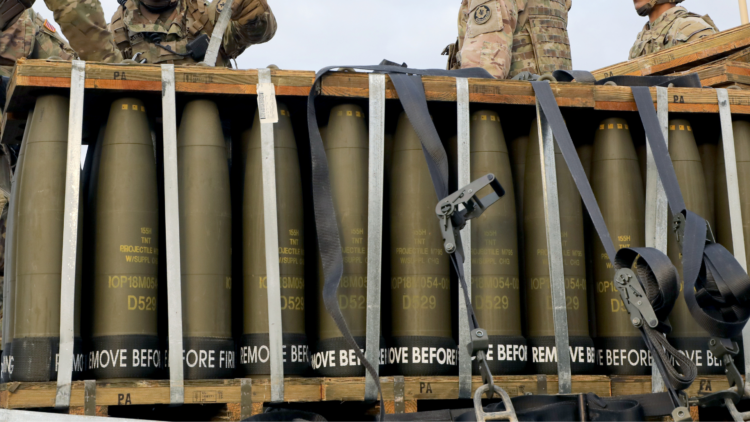
On the ground in Ukraine, soldiers report ammunition shortages and a growing need for more advanced weaponry.
“We are very low on ammo. Every time we fire a round, we have to make a decision, is it expedient. We count every round,” Myron of the 80th Airborne Assault Brigade told CNN.
While substantial US military aid has been provided, the relentless consumption of ammunition in Ukrainian battles strains supply chains. Efforts to address shortages, such as delivering controversial cluster munitions when standard artillery rounds were scarce, underscore the urgency of ensuring a robust and timely flow of essential resources to support Ukraine’s resilience in the ongoing conflict.
~
As NATO faces increasing challenges and pressures, the call to boost arms production serves as a stark reminder of the ongoing security concerns in Europe and beyond.








COMMENTS