

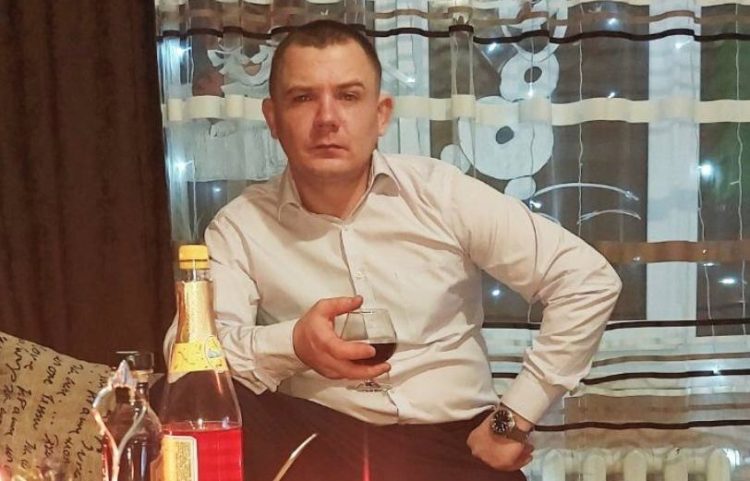
Romanov was reportedly identified through social media, where the victim identified the man. The soldier has a distinctive tattoo of a bear on his chest, which may have been the determining marker for the victim.
Venediktova traveled to Poland to speak with British attorney general Suella Braverman. There, she was provided with a former international criminal court judge as an adviser. It was also reported that 36 other war crime suspects were also to be prosecuted, with their individual cases being at various stages.
She added on her Facebook account that she wanted to help victims feel safe and that they could always turn to the Ukrainian government to prosecute Russian soldiers who have been accused of war crimes. However, with little evidence, photographs, and other needed materials to identify Russian soldiers, it would be difficult to catch them and bring them to justice. More so, some of these Russian soldiers may be already dead or have been returned to Russia. It is unlikely that the Russian government would cooperate with proceedings.
What does this entail? Since Romanov is not in Ukrainian custody, with his whereabouts unknown, Romanov can get away scot-free if he is determined to be guilty by Ukrainian courts. However, if he is somehow captured in the future, he will face the penalty the court will set.
“Even though the accused is not currently in our hands, he will not escape a fair trial and accountability before the law,” she explained.
The Russians have been doing horribly in Ukraine in terms of military performance. Many analysts hypothesize that the Russians were trying to instill fear into the civilian population of Ukraine to try and get them to fold under their command. Another theory is that the Russians had been very frustrated with their lack of military success in Ukraine that they decided to take out their frustration on civilians, many of which were found in varying degrees of abuse.
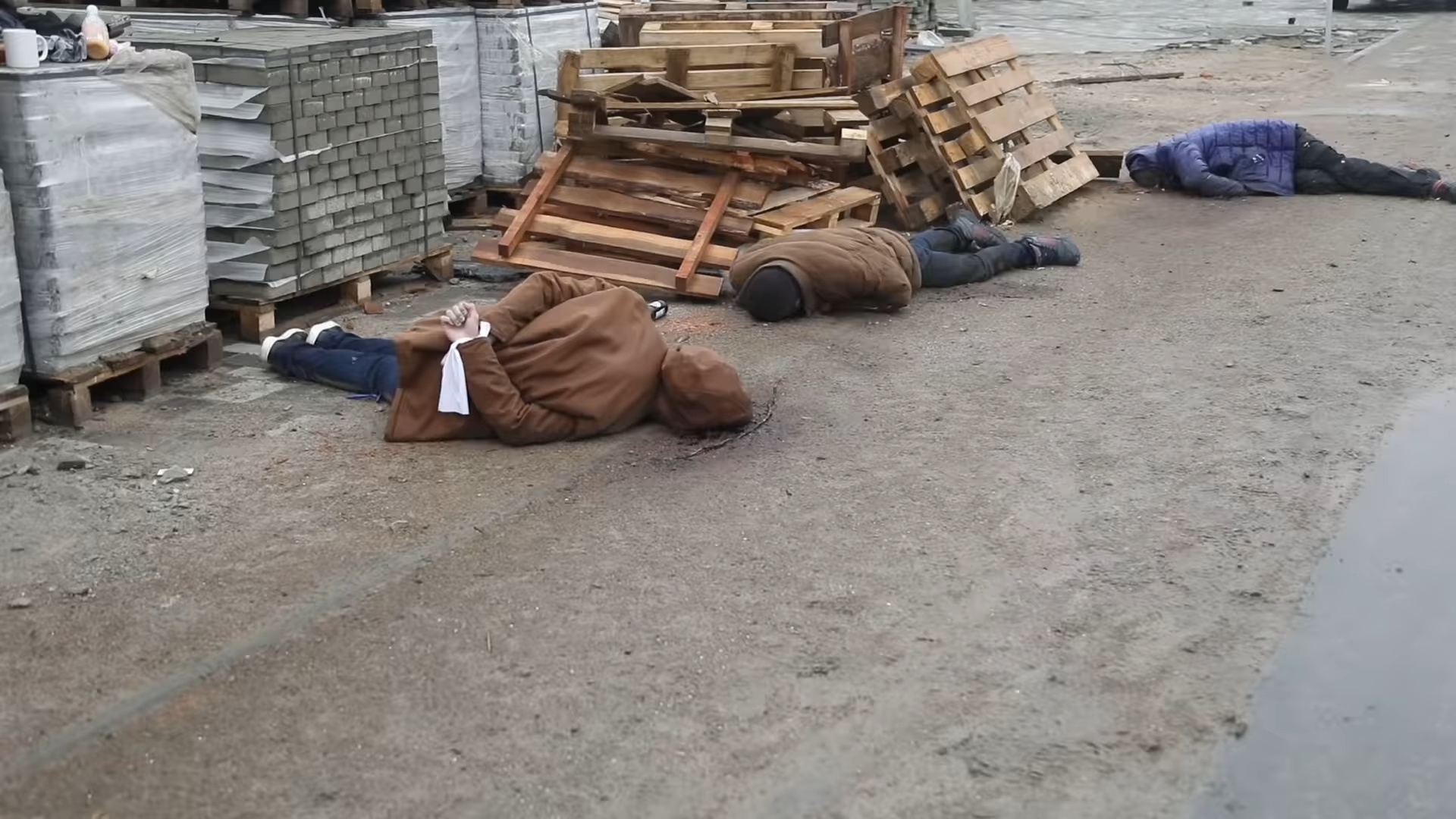
SOFREP extensively followed the atrocities the Russian forces have been accused of in Bucha and Mariupol. In Bucha, SOFREP obtained exclusive images of the alleged Russian atrocities, which showed dead Ukrainians who were found shot in the back of the head with their hands tied to their backs. Some were found with cloth tied to their neck, which may indicate that they were suffocated prior to being shot. Others were found face-first on the streets across Yablonska St. Many of the bodies were buried in mass graves or burned.
In Mariupol, which is now largely seen worldwide as a symbol of Ukrainian resistance, was first seen as one of the cities that had suffered intensified bombings in the three months it was sieged. There, a drama theater where civilians had been taking shelter was bombed, with multiple hospitals shelled. Many fear that if the city is liberated, more evidence of war crimes will be found.
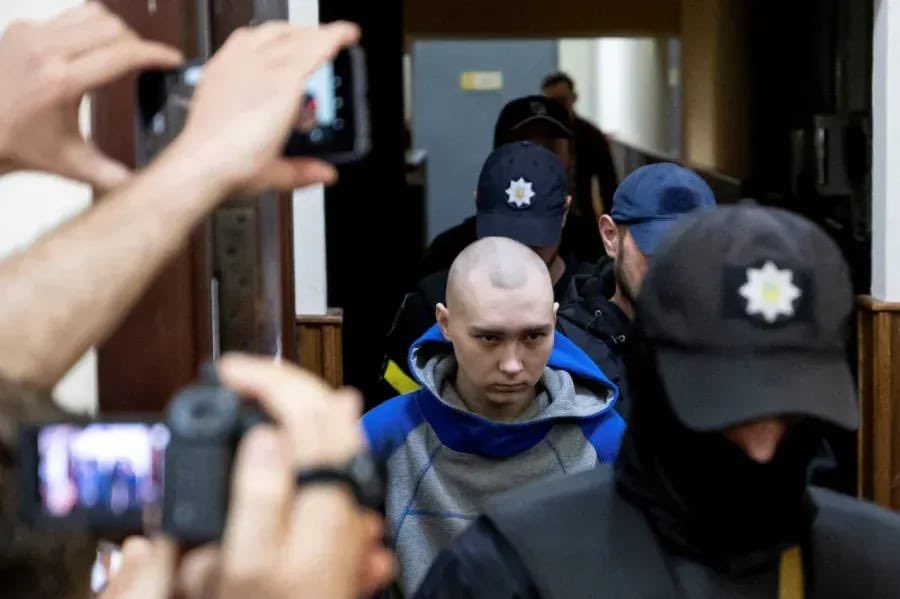
Last May 18th, a Russian soldier pleaded guilty to killing an unarmed Ukrainian civilian, Oleksandr Shelipov. The case was the very first war crime trial in Ukraine since Russia invaded. Sgt. Vadim Shishimarin, 21 years old, admitted to killing a 62-year-old man in Sumy just four days into the invasion.
According to reports, Shishimarin was ordered to kill the civilian as the man had been on the phone. His unit feared that the man was reporting their position as they stole a car after their vehicle broke down. The soldier asked forgiveness from the widow of the man during the trial after pleading guilty.
“Yes, I admit guilt. I understand that you will not be able to forgive me. I ask for forgiveness for what was done,” Shishimarin answered when asked by the widow why the Russians came to Ukraine in the first place.
“I feel very sorry for him, but for a crime like that – I can’t forgive him,” the widow said.
While war crime trials can be highly biased, there is evidence to suggest that Ukraine will be trying to be as objective as possible as they have international criminal court judges advising them. However, it is still completely possible that they are swayed by their emotions in these trials, as one may imagine.
Another piece of evidence that Ukraine will be fair is that Shishimarin’s court-appointed lawyer, Victor Ovsyanikov, was going to appeal the decision despite the Russian soldier’s admission to the crime.
Legal experts fear that if Ukraine continues to prosecute low-ranking soldiers in an attempt to make an example out of them, Russia might do the same to Ukrainian POWs. This is likely since the Ukrainian forces that surrendered to Russian forces were already accused of war crimes and were going to be prosecuted for them.








COMMENTS